Section · Eating Culture
How a Chinese meal is actually run
Eating Culture is the social grammar of a Chinese meal: table manners, the rules of the banquet, tea service, and the way festival food works. The pieces here cover what to do, what to avoid, and what each gesture means once you sit down.
Read this section before you sit at a shared table for the first time. The Chinese dinner is structured, conversational, and surprisingly forgiving — learn the small moves and the rest of the meal takes care of itself.
- Table manners for the shared table
- Banquet order and pacing
- Tea through a meal
- Festival food and symbolic menus
About this section
What the social grammar of a Chinese meal looks like
Eating Culture explains the shape of a Chinese meal — how dishes arrive, where chopsticks point, when the host lifts them, why tea is poured in a particular order, why the New Year menu reads like a translation of luck. The pieces are written for visitors and new home cooks who want to participate in the meal rather than simply eat it.
The section is split into four usable paths: table manners for the shared table, the structure of a banquet, tea service through the meal, and the symbolic menus of festival food. Each path opens with a short reading, then a few practical pieces you can bring into a restaurant, a kitchen, or a Lunar New Year table.
If you have not eaten at a Chinese banquet before, start with the table manners path. If you cook Chinese food at home and want to host a dinner that runs the way a Chinese host expects, read the banquet path next. Tea and festival food close the section and reward the patient reader.
Four paths through the section
Where to read first
Four reading paths, each anchored by one longer piece and a handful of focused follow-ups. Pick the path that matches your goal and follow it to the end.
Table manners
How to sit, where to put your chopsticks, when to lift them, who to pour tea for first, and the small courtesies that signal you know the room. Read this before any shared-table dinner.
Open the manners long readThe banquet
How a banquet is paced, why the cold dishes arrive first, when the soup lands, and what the host is signalling with each course. The order of a Chinese banquet is the architecture of the meal.
Read the banquet orderTea
Yancha, pu'er, jasmine, and the way tea closes a meal. How the teapot moves around the table, when tea is offered, what the last cup signals, and why restaurants take the tea service seriously.
Read the tea pieceFestival food
Lunar New Year, the Mid-Autumn table, the Dragon Boat zongzi, the Lantern Festival tangyuan. Every festival dish carries a word that sounds like luck; this path translates the menu.
Open the festival translation
Start here
If this is your first time at a Chinese table
Read these three pieces before any meal where you are not entirely sure of the room. They cover most of the situations a visitor will run into.
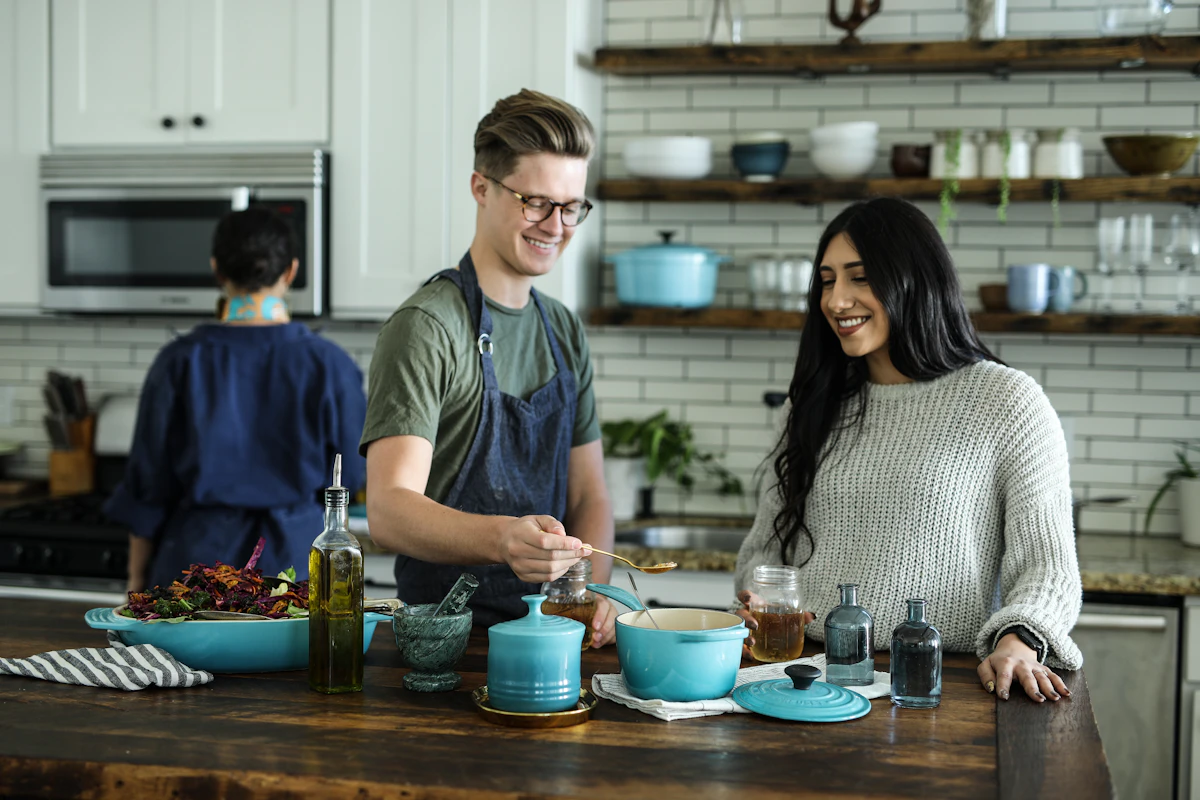 Eating CultureRead Any Menu in Three CharactersThe practical cultural skill behind a confident meal, from radicals to cooking verbs.Read the culture →
- First shared tableReading the menu and the room at onceWhen you sit down at a Chinese restaurant for the first time, you are reading two menus at once — the kitchen's dishes and the host's expectations. This piece covers both.Read on →
- Tea signalWhy the meal ends with tea, not dessertA Chinese meal usually ends with a pot of tea, not a sweet. The shift signals when the host thinks the meal is done — and it is one of the cleanest social cues in the room.Read on →
- Symbolic foodWhat festival dishes are saying under the menuFish for surplus, dumplings for wealth, oranges for gold. The New Year menu reads like a homophone puzzle; this piece translates it line by line.Read on →
Practical guide
What to know at the table
A short checklist of the moves that matter most. Learn these and the rest of the meal will unfold around you.
Step 01 — Wait for the elder or host
Chopsticks follow the eldest or the host. When the host lifts them, the table eats. Until then, drinks tea, look at the menu, watch what is being placed in the middle of the table.
Step 02 — Order for the table, not yourself
Aim for one savory dish per person, plus a starch, a vegetable, and a soup. Look at what other tables have ordered before deciding — that is the more reliable recommendation.
Step 03 — Pour tea for the table before yourself
Pour for the table, then for the eldest. When someone pours for you, tap two fingers on the table. The gesture is small; the goodwill is large.
Step 04 — Let the host close the meal
The host signals the meal is over by paying, ordering the final pot of tea, or asking for the bill. Match the pace — a slow meal is a successful meal.
Common questions
Etiquette questions, answered
Short, practical answers to the questions visitors ask most often. If your situation is not here, search the section or ask the editor from any article page.
- Is it rude to stick my chopsticks upright in my rice?
- Yes — the shape echoes funeral incense and is considered inauspicious. Rest the chopsticks on the chopstick rest, on the table, or across the rim of your bowl. If a rest is not provided, ask for one; it is considered a polite request.
- Do I tip in a Chinese restaurant?
- In most regular restaurants, no — tipping is not the cultural norm. In higher-end hotel restaurants and some international venues, a 10% service charge may already be added; check the menu. In a private home, never tip; bring a small gift instead.
- Can I refuse an offer of food or drink from the host?
- Refusing the first offer is fine; refusing twice may be taken as a sign of distance. If you have allergies or restrictions, mention them up front with a small translation card — it is welcomed, not awkward.
- Is slurping soup or noodles rude?
- No. Slurping is often a sign of enjoyment and is normal at noodle shops, hotpot tables, and banquet soups. Rest your chopsticks on the chopstick rest when you finish — do not leave them sticking out of the bowl.
- Where do I sit at a round table?
- The seat facing the door (or the host's seat) is the place of honor. Visitors and younger guests sit closest to the door. If you are unsure, ask — most hosts will simply point.
Articles
5 stories in Eating Culture
Long-form pieces, short field notes, and the occasional recipe — everything we have published under this section, newest first.
- Eating Culture
How to Read a Chinese Menu When You Speak Zero Mandarin
Photo menus, character radicals, and the four-ingredient trick that unlocks 80% of regional restaurant cooking.
- Eating Culture
Dim Sum Cart Etiquette: How to Push, Point, and Pay
What the colored stamps mean, when to leave a table, and the dishes most regulars quietly skip.
- Eating Culture
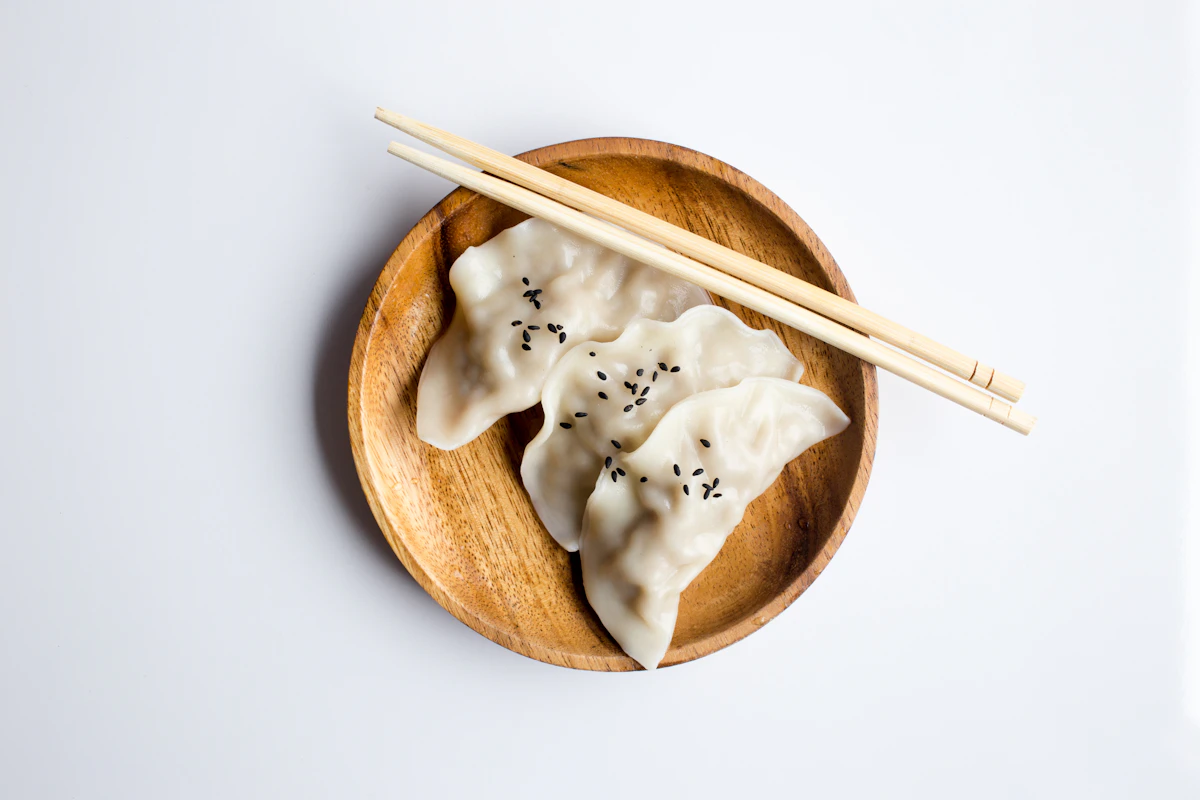
The Quiet History of the Chinese Dumpling
From winter solstice medicine to Lunar New Year ritual — the long, surprisingly political story of a folded bite.
- Eating Culture
Why Chinese Meals End With Tea, Not Dessert
How yancha, pu'er, and jasmine tea close a meal, aid digestion, and signal when the host thinks you're done.
- Eating Culture
Chinese New Year Food: Why Every Dish Carries a Word That Sounds Like Luck
Fish for surplus, dumplings for wealth, oranges for gold — a literal translation of the most symbolic menu of the year.
Editor's must-reads
If you only read three things on eating culture
The pieces that anchor eating culture no matter how the archive grows. They are listed on every channel page so the recommendation set is never empty.
- Eating CultureDim Sum Cart Etiquette: How to Push, Point, and PayThe dim sum cart etiquette piece — what the colored stamps mean.
- Eating CultureHow to Read a Chinese Menu When You Speak Zero MandarinReading a Chinese menu: photo menus, character radicals, phrases.
- Eating CultureWhy Chinese Meals End With Tea, Not DessertWhy Chinese meals end with tea, not dessert.
- Eating CultureChinese New Year Food: Why Every Dish Carries a Word That Sounds Like LuckLunar New Year festival food, translated dish by dish.
More from the archive
Keep going
Other sections worth reading alongside eating culture.
Food Guides
Long reads to start with, then go deep.
Explore →Regional Cuisine
Eight traditions, one country.
Explore →Street Food
Night markets and the snacks that define a city after dark.
Explore →Recipes
Weeknight dishes you can cook in a home kitchen.
Explore →City Guides
Where to eat, what to order, which neighborhood to walk into hungry.
Explore →Ingredients
Doubanjiang, Shaoxing wine, Sichuan pepper, sesame paste, and more.
Explore →