Section · Recipes
Recipes and the kitchen habits behind them
Recipes covers more than a list of dishes. Each recipe sits inside a clear culinary lane — weeknight cooking, technique drills, and the pantry that runs a Chinese home kitchen — and every piece teaches the small move that makes the dish work.
Pick a lane, set up the pantry, and follow the recipe once. The pieces here are written to be cooked, not just read — they assume a home kitchen and a single wok.
- Technique drills that travel across dishes
- The 12-bottle pantry behind every recipe
- Weeknight cooking under 30 minutes
- What to cook next, by goal
About this section
How Recipes is organized
Recipes is split into three usable lanes. Technique teaches the small, repeatable move that makes a category of dishes work — how to velvet pork, how to bloom chili oil, how to steam a fish. Pantry covers the bottles, jars, and aromatics that show up in 80% of Chinese home cooking. Weeknight is what to cook on a Tuesday when you have 30 minutes and one pan.
Each lane is anchored by one longer piece and a handful of focused follow-ups. Cross-lane reading is encouraged — most recipes refer back to a technique or a pantry note, and the references are in the page, not in your memory.
If you are new to Chinese cooking, set up the pantry first. Then do the velvet pork and chili oil technique pieces — they unlock most of the rest of the lane. After that, pick weeknight dishes from the recipes you want to cook and let them pull you into the rest of the section.
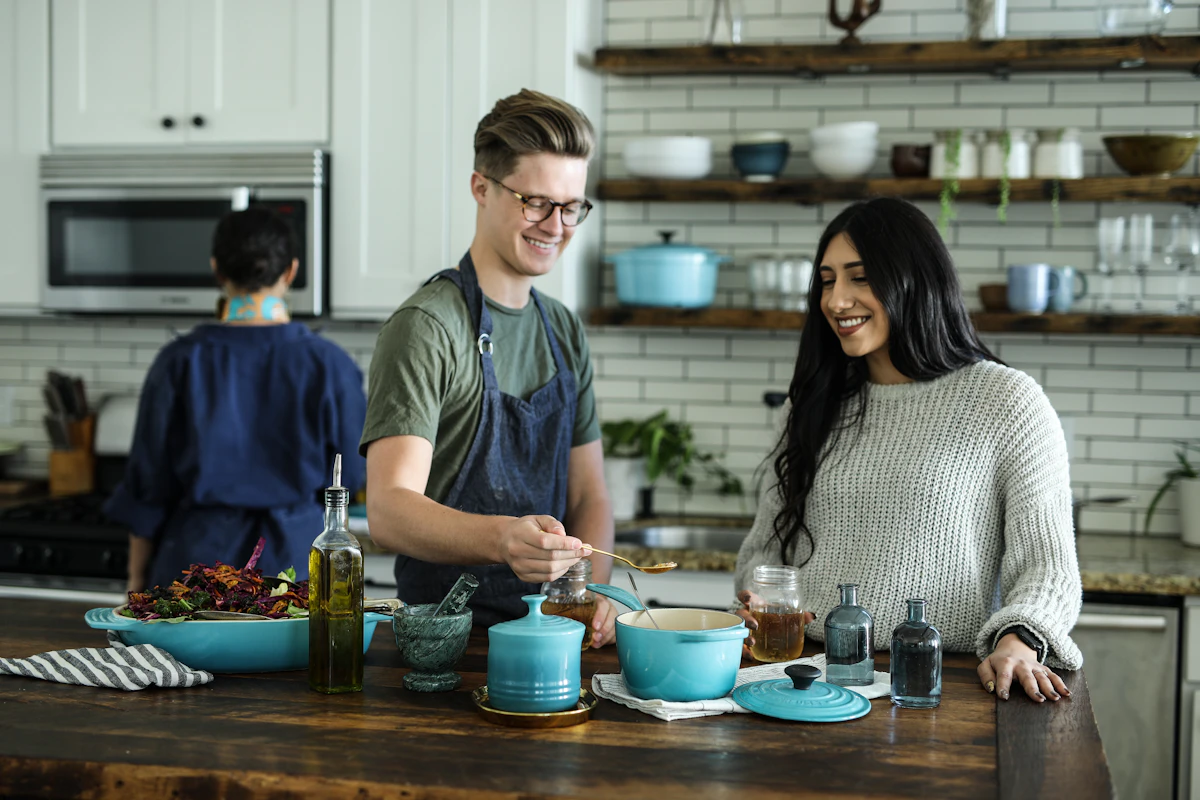
About this section
Recipes
Kitchens, techniques, and step-by-step dishes you can cook in a home kitchen.
Photo by Vicky Ng on Unsplash
Three lanes through the section
Where to start, by what you want to cook
Three reading lanes, each anchored by a longer piece and a handful of follow-ups. Pick the lane that matches your kitchen and start there.
Technique
Velveting pork, blooming chili oil, steaming fish, stir-frying greens. The small repeatable moves that make a category of dishes work — these pieces travel across recipes.
Open the technique lanePantry
The 12 bottles and jars behind a Chinese home kitchen. Soy, dark soy, Chinkiang vinegar, Shaoxing wine, doubanjiang, sesame paste, sichuan peppercorn, and the rest of the shelf.
See the pantryWeeknight
Weeknight dishes under 30 minutes, on one pan, with no specialty equipment. Tomato and egg, scallion-oil noodles, dry-fried green beans — the dishes that feed you during the week.
Pick a weeknight recipe
Start here
How to start cooking Chinese food at home
Three pieces that set up the rest of the lane. Read them in order, then branch out into technique, pantry, and weeknight cooking at your own pace.
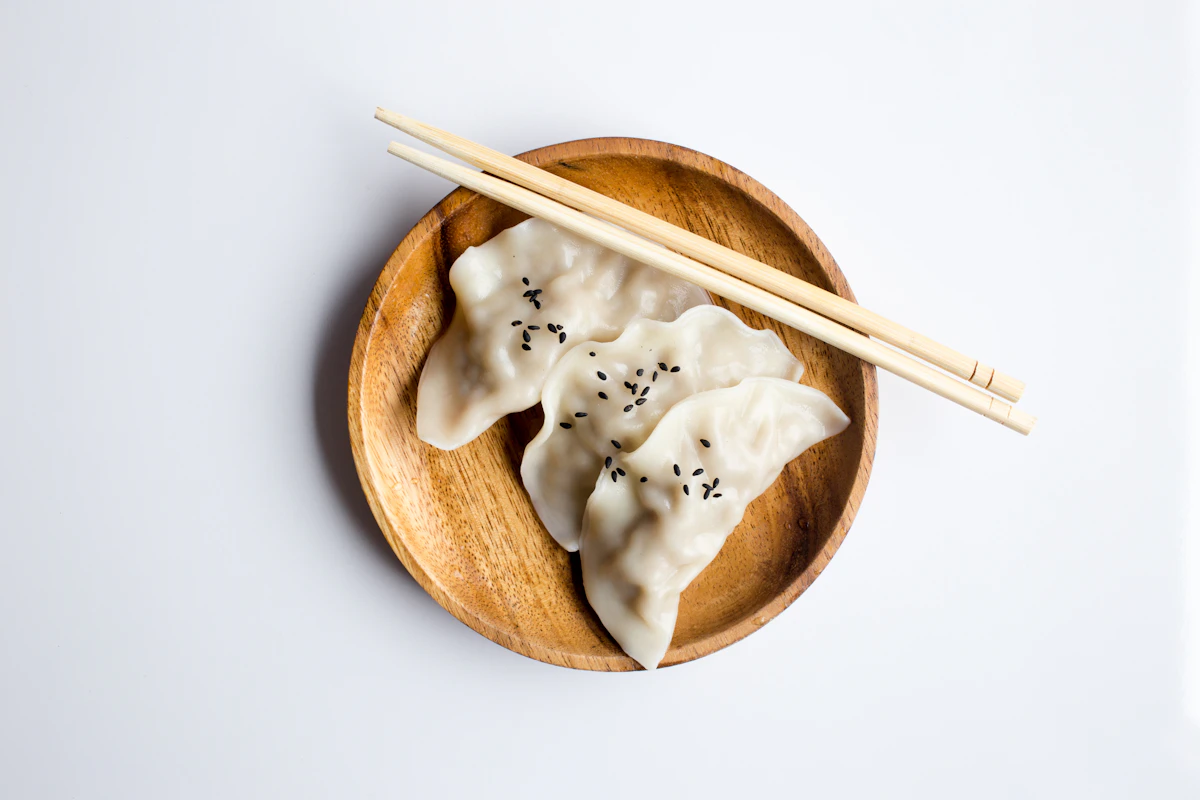 Eating CultureWrapping the Lunar New Year TableFrom Han-dynasty frostbite medicine to gold-ingot dumplings at midnight — the recipe is the ritual.Wrap a batch →
- PantryThe 12 bottles and jars to set up firstSoy, dark soy, Chinkiang vinegar, Shaoxing wine, doubanjiang, sesame paste, and the rest of the shelf. Buy small bottles more often; freshness matters more than you think.Read on →
- TechniqueMala and chili oil — the foundation of Sichuan cookingGet the chili oil right once and 30% of the section opens up. Mala is two sensations — numbing and hot — and the science is worth knowing before the first dish.Read on →
- First dishPick a 30-minute weeknight recipe and cook it tonightTomato and egg, scallion-oil noodles, dry-fried green beans. Pick one and cook it before you read further; it is much easier to follow a recipe after you have cooked it once.Read on →
Practical guide
What to cook, by goal
A short recipe roadmap by use case. Pick the goal and follow the list; cross references will keep you inside the section.
Step 01 — Set up the pantry
Buy the 12 bottles. Open them one at a time. Light soy, dark soy, Chinkiang vinegar, Shaoxing wine, doubanjiang, fermented black beans, douchi, sesame oil, sesame paste, chili oil, whole Sichuan peppercorns, and a bag of dried chilies. Smaller bottles more often.
Step 02 — Learn three moves
Velveting pork, blooming chili oil, steaming a fish. These three moves cover 80% of the recipes in the section. Each has a focused piece — read and then cook them once.
Step 03 — Cook one weeknight recipe a week
Pick a 30-minute recipe — tomato and egg, scallion-oil noodles, dry-fried green beans — and cook it on a weeknight. After eight weeks you will have cooked the whole lane.
Step 04 — Branch by region
Once the pantry and base techniques are settled, branch by region: Sichuan, Cantonese, Jiangnan, Beijing. The recipes will start to feel like variations on a small set of habits, which is the point.
Quick tips
Kitchen habits that will save the weeknight
Five small habits that turn a recipe into a regular dish. Cook these into muscle memory and the rest of the section reads like a list of small variations.
Get the wok hot before the aromatics
Heat the wok dry until it smokes, add oil, then add ginger and garlic. A screaming-hot wok is the difference between stir-fry and stew.
Cut everything before you turn on the heat
Chinese cooking moves in fast stages. The recipe will not wait for you to dice a carrot. Have every ingredient prepped before the first oil goes into the pan.
Read the recipe twice, then read it again
Once for the method, once for the timing, once for the salt. Most home-cooking failures are sequencing failures, not ingredient failures.
Season with the rice in mind
Chinese recipes assume a bowl of plain rice on the table. If you are skipping the starch, dial back the salt, the soy, and the chili by 20% — the dish is balanced with rice as a counterweight.
Buy smaller bottles more often
Opened Chinese condiments lose their aroma faster than European ones. A small bottle of doubanjiang that is two months old is better than a large bottle that is two years old.
Articles
Recipes — the full archive
Wider reading from across the archive that gives you a working map of the topic and useful routes into related sections.
- Ingredients & Sauces
The 12 Bottles and Jars Behind a Chinese Home Kitchen
Soy sauce, dark soy, Chinkiang vinegar, doubanjiang, Shaoxing wine, and the nine other staples that show up in everything.
- Ingredients & Sauces
Mala Explained: The Science Behind Sichuan's Numbing Spice
Hydroxy-alpha-sanshool, chili oil temperature, and why a Chengdu hotpot is engineered to tingle, not burn.
- Eating Culture
How to Read a Chinese Menu When You Speak Zero Mandarin
Photo menus, character radicals, and the four-ingredient trick that unlocks 80% of regional restaurant cooking.

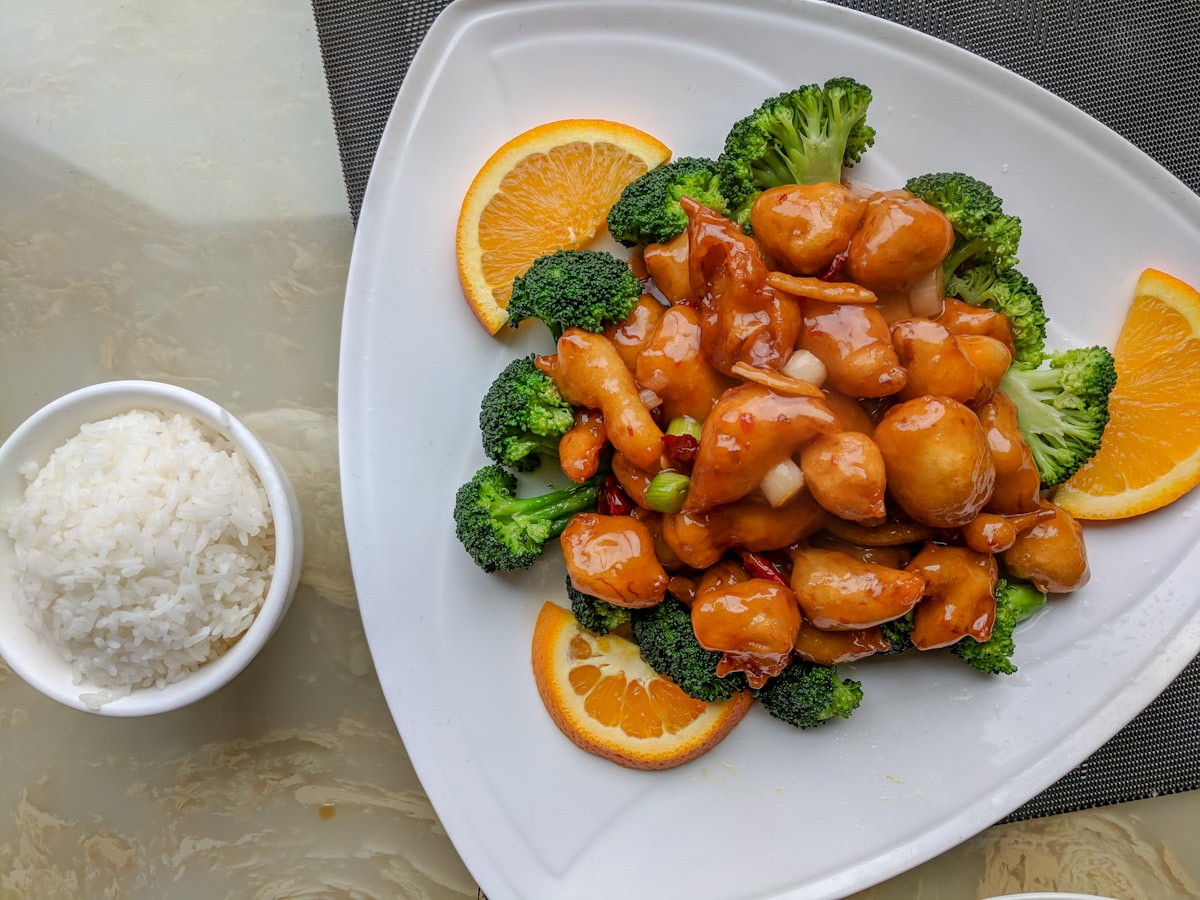
Editor's must-reads
If you only read three things on recipes
The pieces that anchor recipes no matter how the archive grows. They are listed on every channel page so the recommendation set is never empty.
- Ingredients & SaucesThe 12 Bottles and Jars Behind a Chinese Home KitchenThe 12-bottle pantry. The first piece to read for any new cook.
- Ingredients & SaucesMala Explained: The Science Behind Sichuan's Numbing SpiceMala: the chili oil + Sichuan peppercorn science piece.
- Eating CultureHow to Read a Chinese Menu When You Speak Zero MandarinMenu reading — useful even before you set up the pantry.
More from the archive
Keep going
Other sections worth reading alongside recipes.
Food Guides
Long reads to start with, then go deep.
Explore →Regional Cuisine
Eight traditions, one country.
Explore →Street Food
Night markets and the snacks that define a city after dark.
Explore →Eating Culture
Manners, banquets, and the social grammar of a Chinese meal.
Explore →City Guides
Where to eat, what to order, which neighborhood to walk into hungry.
Explore →Ingredients
Doubanjiang, Shaoxing wine, Sichuan pepper, sesame paste, and more.
Explore →