 North China
Beijing
Peking duck, jianbing, and the hutong alley food scene.
- Peking duck
- Zhajiangmian
- Jianbing at breakfast
- Luzhu huoshao
Section · City Guides
A Chinese city is best read through its kitchens. City Guides maps the must-try dishes, the right neighborhoods, and the budget range that fits your trip. Each guide profiles a single city — what to order, where to go, and the one meal you should plan the rest of the day around.
Plan one anchor meal per day, then leave the rest open for what you find by walking. The best restaurant in town is often the one with no English sign and a queue of locals at 12:05pm.
About this section
Each city guide is built around a working system: one anchor meal per day, a neighborhood to walk through, and a short list of dishes that define the city. The guide tells you what to order and when — breakfast at a street stall, lunch at a noodle counter, dinner at the restaurant the locals have been eating at for decades. Read the city card below for a quick overview, then dive into the full article for the walking route, the opening hours, and the one dish worth crossing town for.
Budget ranges in this section are written for a practical traveler: street food runs from ¥5-30 per item, a good mid-range dinner from ¥50-120 per person, and a top-tier meal — Peking duck at the right table, hairy crab in season — should be budgeted as a splurge but not as a daily meal. The golden number is three: eat one street-food meal, one casual local restaurant, and one serious dinner per day, and your trip will span the full width of the city.
If you are planning a multi-city trip, read the food-guides overview first to anchor the regional map, then pick two or three cities from this section that sit in different culinary territories. A Beijing-Shanghai-Chengdu loop will give you wheat, rice, and spice in one trip; a Guangzhou-Hangzhou-Xi'an trip covers Cantonese finesse, Jiangnan sweetness, and Silk Road fire.

About this section
Where to eat, what to order, and which neighborhoods to walk into hungry.
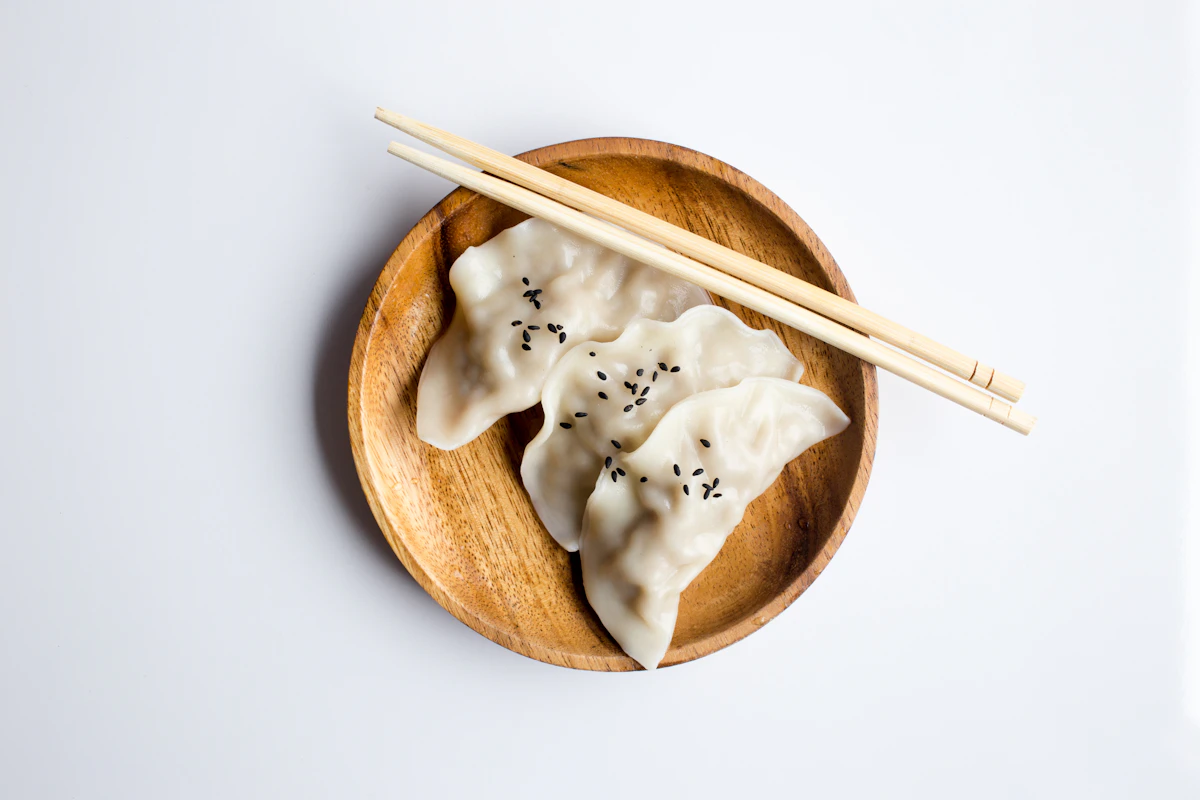
Photo by Patrick Hendry on Unsplash
Build a trip, three cities at a time
Pairings built around what you want to taste. Each itinerary picks three cities that contrast sharply enough to be worth the airfare.
Beijing → Shanghai → Chengdu. The wheat-eating north, the rice-eating east coast, and the chili heartland — three cuisines, three climates, three different breakfasts.
See the city profilesGuangzhou → Hangzhou → Xi'an. Cantonese seafood, Jiangnan sweetness, and the cumin-and-lamb cuisine of the Muslim Quarter. A south-to-north arc.
See the city profilesBeijing → Guangzhou → Chengdu. Imperial banquet cooking, Cantonese dim sum, and Sichuan hotpot after 9pm. A balanced week for first-timers.
See the city profilesCities
Six cities, six different arguments about what a Chinese meal can be. Each card covers the must-try dishes, the right neighborhood, and the dish that defines the city.
North ChinaPeking duck, jianbing, and the hutong alley food scene.
East ChinaXiaolongbao, hairy crab, and the sweet Jiangnan palate.
 Sichuan
The capital of Sichuan cooking, late-night hotpot and street snacks.
 Cantonese
Dim sum mornings, slow-cooked broths, and a long tea-house tradition.
 Northwest
Hand-pulled noodles, Muslim Quarter lamb, and Silk Road flavors.
 Jiangnan
West Lake fish, Dongpo pork, and the gentlest cuisine in the country.
Start here
Three pieces that will teach you how to read a Chinese city through its kitchens. Start with the food map, then the menu-reading tool, then a signature city dish.
Street FoodTwo Cities After DarkWhere to eat at 11 p.m. in Taipei, where to eat at 11 p.m. in Chengdu — the night-market comparison every first-timer asks for.Plan the night →Practical guide
A short checklist by budget and eating style. Pick the lane that matches your trip and follow it.
Eat breakfast at a street stall (¥5-15), lunch at a noodle or dumpling counter (¥15-30), and dinner at a casual local restaurant where the menu is on the wall (¥30-50). Skip the tourist neighborhoods; walk two blocks into a residential street and eat where the families eat. Carry cash — many small stalls do not take cards or foreign QR payments.
One proper sit-down dinner per day at a well-regarded local restaurant (¥60-120 per person), plus street food for breakfast and a casual lunch. Book the dinner restaurant a day ahead through your hotel front desk, not a booking app — the front desk will get you a better table. Start the day with the local breakfast, skip the hotel buffet, and let the lunch be what you find by walking.
Plan one or two splurge meals per trip: Peking duck at a restaurant that hangs the birds by the oven door (Beijing), hairy crab in season with aged Shaoxing wine (Shanghai, autumn), or a premium hotpot with a view (Chengdu, Chongqing). Book these a week ahead if you can. Arrive early, order less than you think, and let the meal run slow — a rushed banquet is a wasted banquet.
Beijing: hutong restaurants, hole-in-the-wall zhajiangmian, duck reservations required. Shanghai: old-town breakfast shops, bund-side splurge dinners, seasonal hairy crab in autumn. Chengdu: hotpot after 9pm, street BBQ on every corner, tea houses for the afternoon break. Guangzhou: dim sum before 11am, white-cut chicken at dinner, soup simmered for hours. Xi'an: Muslim Quarter after dark, biangbiang noodles, roujiamo eaten standing up. Hangzhou: West Lake walk before lunch, Dongpo pork, tea-paired meals.
Quick tips
Five small habits that will get you better meals than any guidebook.
Book one serious dinner per day, then eat the rest of your meals wherever the day takes you. The best lunch is often the noodle shop you find while walking between sights.
Hotel concierge lists are safe, short, and rarely updated. The front desk of a small guesthouse, a taxi driver, or the owner of a tea shop will point you to the restaurant their family eats at on Sundays.
The table next to you is a better menu than the printed one. If three tables ordered the same dish, it is the one the kitchen does best. Point, smile, and the server will almost always help.
At 12:15pm, follow the crowd leaving office buildings. The restaurants they walk into — fast, crowded, with a queue — are serving the best value lunch in the city. The queue moves quickly; wait in it.
Hairy crab in Shanghai (Sept-Nov), wild mushrooms in Yunnan (Jul-Sep), Peking duck any time but best in autumn, hotpot best in winter. Check the season before you book the trip — eating in season is the difference between a good meal and the right meal.
Articles
Wider reading from across the archive that gives you a working map of the topic and useful routes into related sections.

The eight regional cuisines, the rituals of the shared table, and the dishes worth planning a trip around.
A look at the three-day air-drying, the scallion-white ratio, and the etiquette of the first bite.

Photo menus, character radicals, and the four-ingredient trick that unlocks 80% of regional restaurant cooking.
Editor's must-reads
The pieces that anchor city guides no matter how the archive grows. They are listed on every channel page so the recommendation set is never empty.
More from the archive
Other sections worth reading alongside city guides.
Food Guides
Long reads to start with, then go deep.
Explore →Regional Cuisine
Eight traditions, one country.
Explore →Street Food
Night markets and the snacks that define a city after dark.
Explore →Eating Culture
Manners, banquets, and the social grammar of a Chinese meal.
Explore →Recipes
Weeknight dishes you can cook in a home kitchen.
Explore →Ingredients
Doubanjiang, Shaoxing wine, Sichuan pepper, sesame paste, and more.
Explore →