Section · Regional Cuisine
A Taste Map of China's Eight Great Cuisines
Chinese cooking is not one thing. It is eight major traditions — each shaped by climate, geography, agriculture, and centuries of local argument about what belongs on the table. Regional Cuisine is the section that maps them: the signature flavors, the hero ingredients, and the dishes that define a place before any tourist menu gets to it.
Start with the cuisine that matches the kitchen you cook in. Then branch out — the eight traditions are a conversation, and every one of them has something to say about the one next door.
- The eight great cuisines profiled by pantry, climate, and technique
- Signature dishes, hero ingredients, and what each region argues about
- Flavor profiles that cut across regions: spicy, fresh, wheat, delicate
- Where to read next, by cuisine and by dish
About this section
What the eight cuisines tell us about China
The eight great cuisines — Sichuan, Cantonese, Hunan, Shandong, Jiangsu, Zhejiang, Fujian, and Anhui — are not a ranking. They are a map of climate, history, and pantry. The wheat-eating north (Beijing, Shandong, the Northeast) runs on savory braises, dumplings, and fermented pastes. The rice-eating south (Cantonese, Jiangnan, Fujian) prizes freshness, restraint, and the original flavor of the ingredient. The spicy west (Sichuan, Hunan) builds on chili and heat — but in different philosophical directions: Sichuan numbs, Hunan smokes and burns.
Each cuisine profile below comes with its signature flavor, its hero ingredient, and the dish that sums it up. The pantry behind each cuisine is a short story about what grows there and what cooks learned to do with it. Read the profiles side by side — the argument between Sichuan and Hunan, or between Cantonese and Jiangnan, is often more instructive than reading either one alone.
If you came here looking for a single city to visit, jump to City Guides next. If you want to cook from a specific region, the Recipes and Ingredients sections will give you the pantry and the techniques behind each cuisine. Regional Cuisine is the map — the rest of the archive is the walking tour.
About this section
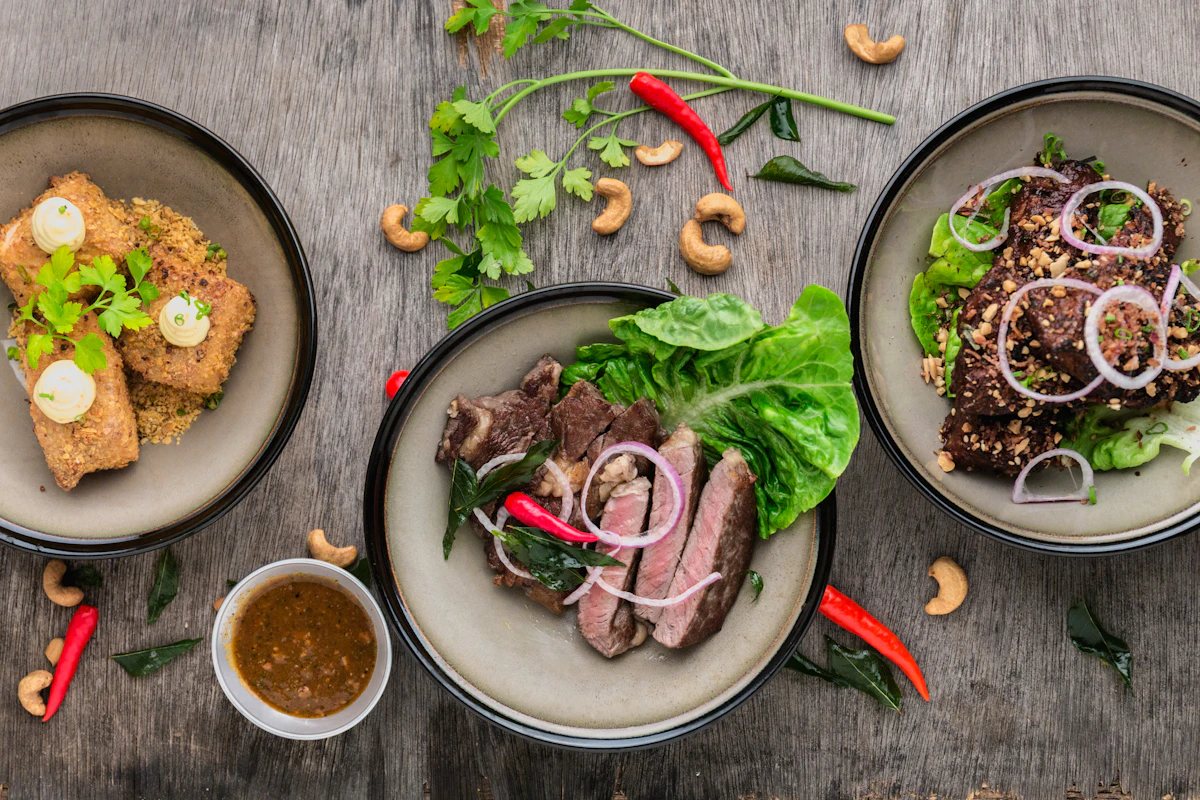
Regional Cuisine
Eight major culinary traditions, from Sichuan heat to Cantonese restraint.
Photo by amirali mirhashemian on Unsplash
Read by flavor lane
Four flavor profiles across the eight cuisines
The eight cuisines are easier to taste once you sort them by flavor lane. Pick the lane you crave and the cuisines that fit it light up.
Spicy and numbing
Sichuan, Hunan, Guizhou. The chili cuisines — but in three different directions: Sichuan numbs, Hunan smokes and burns, Guizhou leans sour-hot. Pick the lane if you want heat that builds flavor, not heat for its own sake.
Read the mala science pieceFresh and light
Cantonese, Fujian, Jiangnan (Jiangsu + Zhejiang). The southern cuisines prize the original flavor of the ingredient — gentle heat, quick cooking, river-driven sweetness. Pick the lane if you want seafood, soups, and clean flavors.
Explore city profilesWheat and savory
Beijing, Shandong, the Northeast, Shaanxi. Wheat-eating cuisines built around noodles, dumplings, savory pancakes, and long braises. Pick the lane if you crave texture, fermented pastes, and deep umami.
See the food-guides mapDelicate and refined
Jiangsu, Zhejiang, Anhui. The refined cuisines of the Yangtze delta and the Huizhou mountains — sweeter, more restrained, with a quiet obsession with knife work and stock. Pick the lane for banquets and seasonal cooking.
See Jiangnan city profiles
The Eight Great Cuisines
Eight traditions, one country
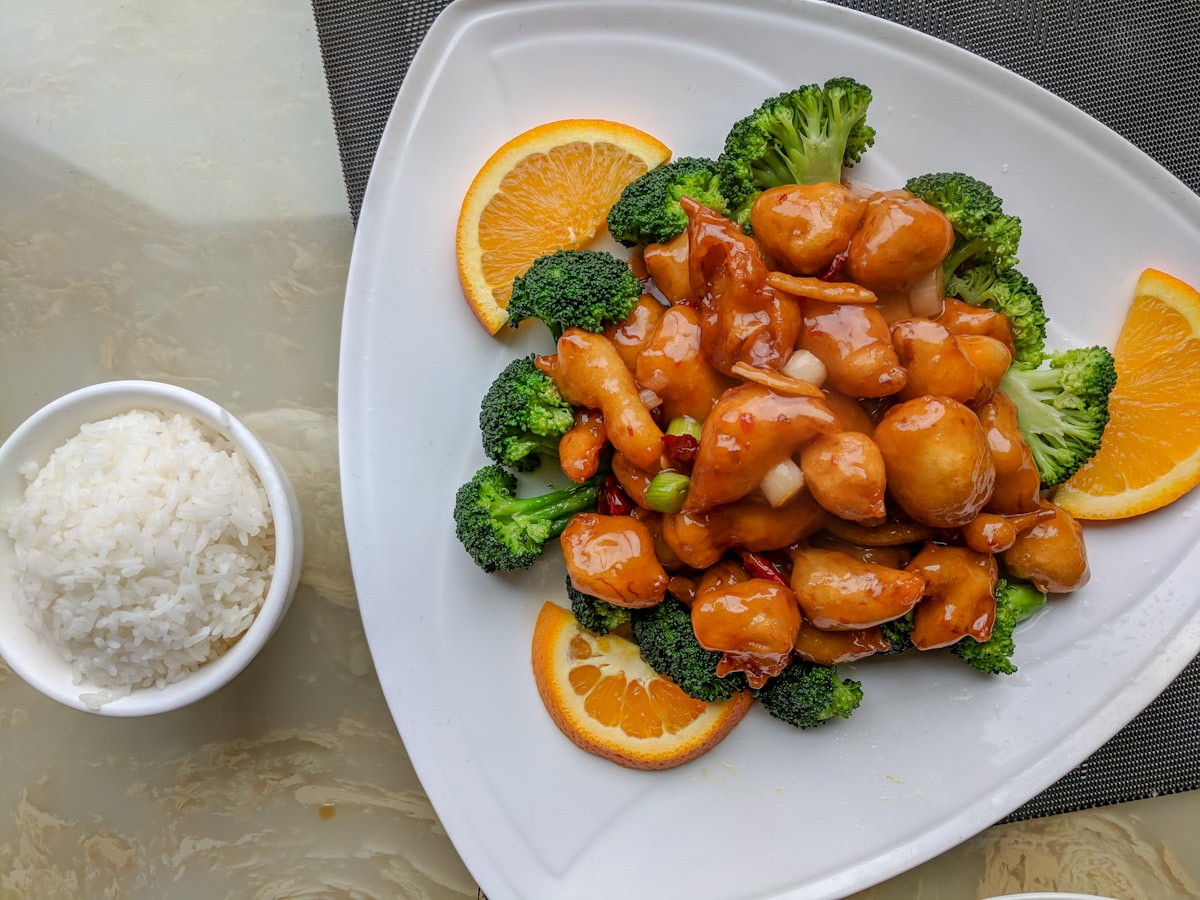
Each of the eight great cuisines has its own pantry, its own technique, and its own argument with its neighbors. Click through to learn the signature dishes and hero ingredients behind each tradition.
Sichuan
Mala, numbing-spicy
Hero ingredientSichuan peppercorn, doubanjiang
Cantonese
Light, fresh, balanced
Hero ingredientDried scallops, soy sauce
Hunan
Pure heat, smoke and chili
Hero ingredientFresh red chilies, smoked pork
Beijing
Imperial, savory, hearty
Hero ingredientWheat flour, sesame paste
Shanghai / Jiangnan
Sweet, delicate, river-fresh
Hero ingredientShaoxing wine, river shrimp
Yunnan
Wild mushrooms, flowers, herbs
Hero ingredientCrossing-the-bridge noodles, wild fungi
Xinjiang
Halal grill, lamb, hand-pulled
Hero ingredientLamb, cumin, naan
Northeast (Dongbei)
Hearty stews, dumplings, pickles
Hero ingredientSuan cai, pork, corn


Start here
How to read the eight great cuisines
Read in this order. These three pieces build a working map of Chinese regional cooking — start with the overview, then taste the signature dish, then understand the flavor science behind the most famous cuisine.
 Regional CuisinePeking Duck, DeconstructedThree days of drying, apple-wood fire, and the etiquette of the first wrap — the dish behind the dish.See it carved →
- OverviewA first-timer's map of China's eight regional cuisinesThe eight cuisines explained as climate, pantry, and history. This is the piece that puts every region on the map before you pick a dish, a city, or a recipe.Read on →
- Signature dishPeking duck: the three-day process behind the capital's most famous plateWood-fired, air-dried, served with scallion, sauce, and sugar. This is the dish that teaches you what Beijing cooking values — technique, restraint, and texture.Read on →
- Flavor scienceWhat mala really is — the Sichuan kitchen's signature sensationMala is two sensations stacked: Sichuan peppercorn numbing and chili heat. Understanding it unlocks not just Sichuan cooking but the philosophy behind every spicy cuisine on the map.Read on →
Practical guide
How to plan a regional food trip
A four-step reading path for travelers and home cooks who want to taste a region before booking a ticket.
Step 01 — Anchor on one or two cuisines
Pick one or two cuisines rather than chasing all eight. A wheat-eating region (Beijing, Shandong) plus a rice-eating region (Jiangnan, Cantonese) gives you the country's two strongest contrasts in a single trip.
Step 02 — Read the hero ingredient piece
Every cuisine has a hero ingredient — Sichuan peppercorn, fermented bean paste, river shrimp. Read the hero-ingredient piece for your chosen cuisine before booking; it tells you what flavor the trip will lean into.
Step 03 — Eat the local breakfast wherever you are
Breakfast is where the regional palate is least filtered: jianbing in Beijing, congee with youtiao in Guangzhou, rice rolls in Hong Kong. Skip the hotel buffet on day one.
Step 04 — Cross-reference with the city profiles
Each cuisine has a flagship city. Open City Guides for that city and read the must-try list before deciding which meals to plan.
Quick tips
What regulars know about navigating regional cuisines
Five shortcuts that will get you deeper into the regional map than any list of dishes.
Pair a wheat north with a rice south
Pick two cities at opposite ends of the map — Beijing and Guangzhou, Chengdu and Shanghai — and your trip will taste like two different countries. The north eats noodles and dumplings; the south eats rice and fresh seafood. Both are correct.
The argument between neighbors is the best guidebook
Sichuan and Hunan both use chili, but Sichuan numbs and Hunan smokes. Cantonese and Jiangnan both value freshness, but Cantonese is more direct and Jiangnan more subtle. Read the cuisines side by side.
Hero ingredients tell the climate story
Sichuan peppercorn grows in the humid basin. Wheat and sesame paste define the cold, dry north. River shrimp and Shaoxing wine belong to the watery Jiangnan delta. Each hero ingredient is a geography lesson.
Eat the local breakfast wherever you are
Breakfast is where the regional palate is least filtered: jianbing in Beijing, congee with youtiao in Guangzhou, rice rolls in the south, douhua in Sichuan. Skip the hotel buffet.
One region per trip is enough
You cannot eat China in two weeks. Pick one or two regions, eat deeply, and go home knowing what the local kitchen actually tastes like. The other six cuisines will still be there next time.
Articles
1 story in Regional Cuisine
Long-form pieces, short field notes, and the occasional recipe — everything we have published under this section, newest first.
Editor's must-reads
If you only read three things on regional cuisine
The pieces that anchor regional cuisine no matter how the archive grows. They are listed on every channel page so the recommendation set is never empty.
- Starter GuideWhat to Eat in China: A First-Timer's Food MapThe first-timer's map of the eight cuisines.
- Regional CuisinePeking Duck, Deconstructed: Wood, Skin, Sauce, SugarBeijing cuisine's flagship dish, broken down.
- Ingredients & SaucesMala Explained: The Science Behind Sichuan's Numbing SpiceThe flavor science behind Sichuan and the spicy cuisines.
More from the archive
Keep going
Other sections worth reading alongside regional cuisine.
Food Guides
Long reads to start with, then go deep.
Explore →Street Food
Night markets and the snacks that define a city after dark.
Explore →Eating Culture
Manners, banquets, and the social grammar of a Chinese meal.
Explore →Recipes
Weeknight dishes you can cook in a home kitchen.
Explore →City Guides
Where to eat, what to order, which neighborhood to walk into hungry.
Explore →Ingredients
Doubanjiang, Shaoxing wine, Sichuan pepper, sesame paste, and more.
Explore →