Section · Ingredients
The Pantry, Sauces, Spices, and Staples of Chinese Cooking
A Chinese kitchen runs on a small shelf of bottles, jars, and dried aromatics. Soy sauce, dark soy, Chinkiang vinegar, Shaoxing wine, doubanjiang, sesame paste, Sichuan peppercorn — learn these twelve and 80% of the recipe archive opens up. Ingredients is the section that maps the pantry: what each bottle does, how to buy it, and how to keep it fresh.
Set up the pantry one shelf at a time. Start with five workhorse bottles, add one regional anchor, and buy smaller bottles more often. Freshness matters more than the brand.
- The 12-bottle pantry behind a Chinese home kitchen
- Sauces, spices, staples, and dried goods profiles
- Starter shopping list for a new cook
- How to store, substitute, and cook with every bottle

About this section
Ingredients & Sauces
Doubanjiang, Shaoxing wine, Sichuan pepper, sesame paste, and the rest of the pantry.
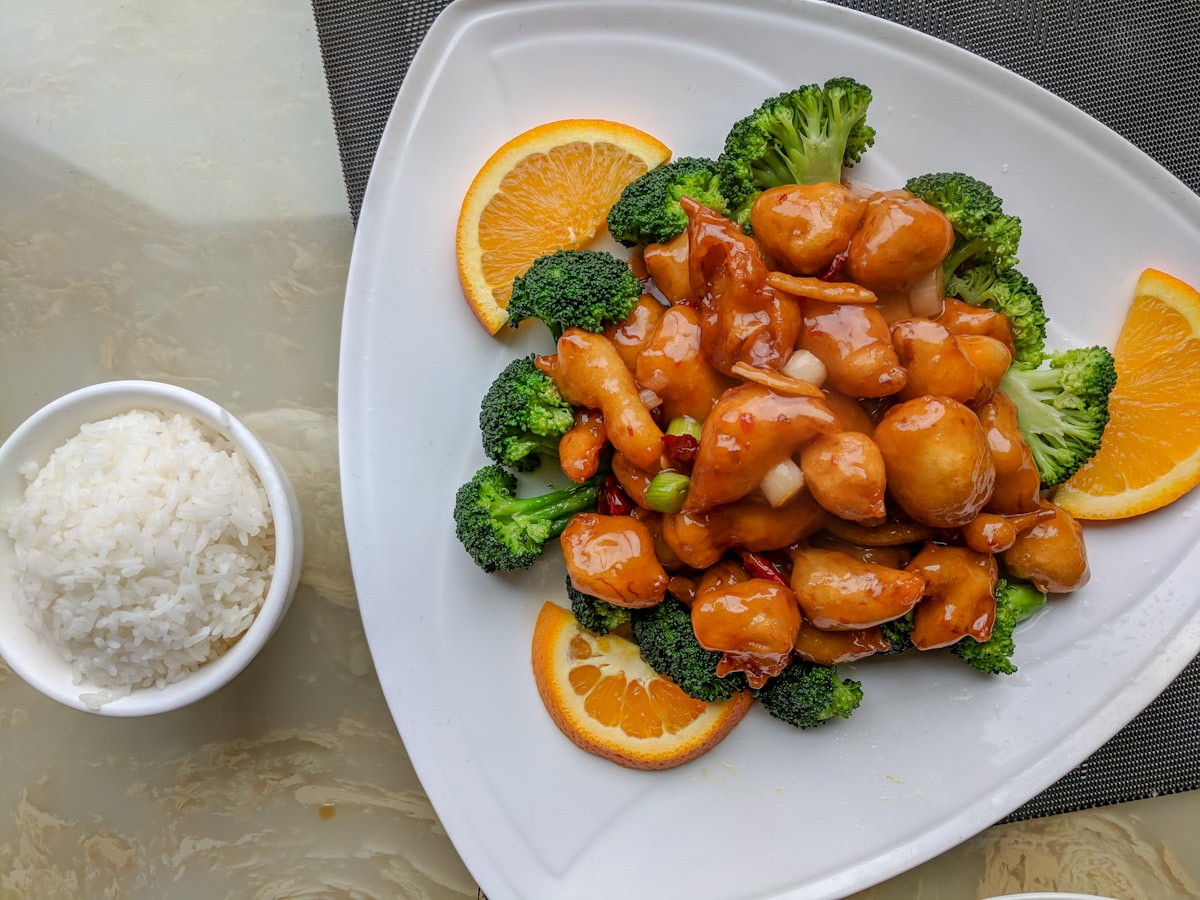
Photo by Mae Mu on Unsplash
Four shelves of the Chinese pantry
Pantry, sauces, spices, and staples
Chinese ingredients organize naturally into four shelves. Pick the shelf you want to stock first — or browse them all.
Pantry foundations
The 12 bottles and jars that show up in every recipe on this site. Light soy, dark soy, Chinkiang vinegar, Shaoxing wine, sesame oil, doubanjiang, fermented black beans, douchi, sesame paste, chili oil, whole Sichuan peppercorns, and dried chilies.
Read the full pantry guideSauces and pastes
Doubanjiang (the fermented broad-bean paste behind Sichuan cooking), hoisin, oyster sauce, chu hou paste, and the fermented bean pastes that anchor Cantonese and northern kitchens. Each paste has a region and a dish it was built for.
Understand doubanjiang and chili oilSpices and aromatics
Sichuan peppercorn (red and green), star anise, cassia bark, fennel seed, dried chilies (facing-heaven, lantern, erjingtiao), and the fresh aromatics — ginger, scallion, garlic — that start almost every Chinese dish.
Read the mala science pieceStaples and dried goods
Rice (jasmine, short-grain, glutinous), noodles (wheat, rice, sweet potato), dried mushrooms, dried shrimp, wood ear fungus, lotus root starch, and the dried pantry that sits on the shelf for months and wakes up in hot water.
See staples in context
Start here
Build the pantry, one shelf at a time
Three pieces that set up the working pantry. Read them in order — they move from the big-picture pantry to the science behind the most important sauce.
Ingredients & SaucesThe Twelve-Jar PantryLight soy, dark soy, Chinkiang vinegar, doubanjiang, Shaoxing wine — the bottles behind a Chinese home kitchen.See the pantry →- Starter pantryThe 12 bottles and jars to buy firstLight soy, dark soy, Chinkiang vinegar, Shaoxing wine, sesame oil, doubanjiang, and the rest of the shelf. This is the working list — buy small bottles and replace them often.Read on →
- Flavor engineMala and chili oil — how the Sichuan pantry actually worksChili oil temperature, Sichuan peppercorn chemistry, and why the oil matters more than the chili. This is the piece that explains the most important sauce in the pantry.Read on →
- In contextWhat to eat in China — the pantry in action across regionsSee every ingredient in its regional context: doubanjiang in Sichuan, Shaoxing wine in Jiangnan, sesame paste in Beijing. The pantry makes more sense when you see where each bottle lives.Read on →
Practical guide
Starter shopping list for a new Chinese kitchen
Walk into a Chinese grocery with this list and walk out with a working pantry. The total should cost under ¥300 / US$40 at most Asian grocery stores.
Shelf 01 — The five workhorses (buy first)
Light soy sauce (生抽), dark soy sauce (老抽), Chinkiang black vinegar (镇江香醋), Shaoxing cooking wine (绍兴料酒), and toasted sesame oil (香油). These five bottles appear in 80% of Chinese home-cooking recipes. Buy the smallest bottles available; freshness matters more than brand recognition.
Shelf 02 — One regional anchor (choose one to start)
Pick one: doubanjiang (豆瓣酱, fermented broad-bean chili paste) if you cook Sichuan; fermented black beans (豆豉) if you cook Cantonese; hoisin sauce (海鲜酱) if you cook northern-style; douchi (豆豉) for general-purpose fermented depth. Master one regional anchor before adding a second.
Shelf 03 — Dried aromatics and spices
Whole Sichuan peppercorns (花椒, red), dried facing-heaven chilies (朝天椒), star anise (八角), cassia bark / Chinese cinnamon (桂皮), and fennel seed (小茴香). These five dried aromatics stay potent in sealed jars for months. Buy whole, not ground — they bloom better in hot oil.
Shelf 04 — Fresh aromatics (buy weekly)
Fresh ginger (姜), scallions (葱), and garlic (蒜). These three start almost every Chinese stir-fry, braise, and soup. Keep ginger in the fridge, scallions in a glass of water on the counter, and garlic in a cool dark drawer. Replace them weekly — stale aromatics are the fastest way to a flat dish.
Quick tips
Ingredient habits that save the dish
Five small rules for buying, storing, and using Chinese pantry ingredients.
Buy smaller bottles more often
Opened Chinese condiments lose their aroma faster than European ones. A small bottle of doubanjiang that is two months old is better than a large bottle that is two years old. Replace opened soy sauce within six months and sesame oil within three.
Store sesame oil and chili oil in the fridge
Both are pressed oils with delicate aromatics that go rancid at room temperature after a few weeks. Keep them in the fridge door and bring to room temperature before using — the flavor stays clean for months.
Whole spices, not ground
Sichuan peppercorns, star anise, cassia bark — buy them whole and toast or grind them just before cooking. Pre-ground spices lose their volatile oils within weeks; whole spices in a sealed jar will give you six months of good flavor.
Smell the doubanjiang before you buy it
Good doubanjiang smells fermented, slightly fruity, and deeply savory — not sour or metallic. If the jar has been sitting on the shelf too long, the aroma will have faded. Buy from a store with high turnover, and open the jar in the shop if they will let you.
Substitute wisely, not randomly
Dark soy for light soy? No — dark soy is for color, light soy is for salt. Rice vinegar for Chinkiang? Only in a pinch; the maltiness of Chinkiang is hard to replace. The one substitution that almost always works: mirin or dry sherry for Shaoxing wine at a 1:1 ratio.
Articles
2 stories in Ingredients
Long-form pieces, short field notes, and the occasional recipe — everything we have published under this section, newest first.
- Ingredients & Sauces
Mala Explained: The Science Behind Sichuan's Numbing Spice
Hydroxy-alpha-sanshool, chili oil temperature, and why a Chengdu hotpot is engineered to tingle, not burn.
- Ingredients & Sauces
The 12 Bottles and Jars Behind a Chinese Home Kitchen
Soy sauce, dark soy, Chinkiang vinegar, doubanjiang, Shaoxing wine, and the nine other staples that show up in everything.
Editor's must-reads
If you only read three things on ingredients
The pieces that anchor ingredients no matter how the archive grows. They are listed on every channel page so the recommendation set is never empty.
- Ingredients & SaucesThe 12 Bottles and Jars Behind a Chinese Home KitchenThe 12-bottle pantry: the working shopping list.
- Ingredients & SaucesMala Explained: The Science Behind Sichuan's Numbing SpiceMala science — chili oil + Sichuan peppercorn.
- Starter GuideWhat to Eat in China: A First-Timer's Food MapSee the pantry in action across regions.
More from the archive
Keep going
Other sections worth reading alongside ingredients.
Food Guides
Long reads to start with, then go deep.
Explore →Regional Cuisine
Eight traditions, one country.
Explore →Street Food
Night markets and the snacks that define a city after dark.
Explore →Eating Culture
Manners, banquets, and the social grammar of a Chinese meal.
Explore →Recipes
Weeknight dishes you can cook in a home kitchen.
Explore →City Guides
Where to eat, what to order, which neighborhood to walk into hungry.
Explore →