Chinese New Year Food: Why Every Dish Carries a Word That Sounds Like Luck
Fish for surplus, dumplings for wealth, oranges for gold — a literal translation of the most symbolic menu of the year.
The reunion dinner is a language lesson
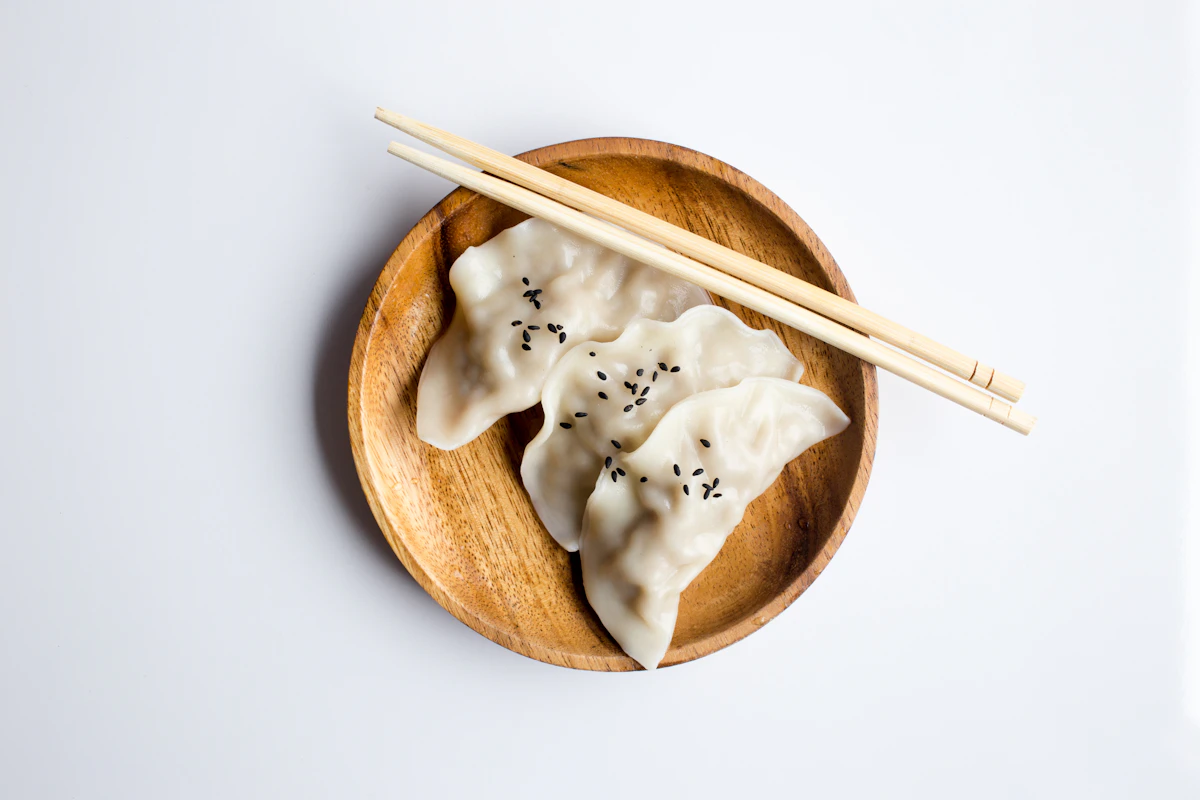
Chinese New Year food is built on sound, shape, and abundance. Fish is served because yu sounds like surplus. Dumplings resemble silver ingots and point toward wealth. Rice cakes, nian gao, sound like rising higher each year. Oranges and tangerines suggest gold and good fortune. The menu is not symbolic in an abstract way; it is full of puns that everyone at the table understands.
The reunion dinner on New Year's Eve is the most important meal of the season. Families cook more than they can finish because leftovers represent abundance. Dishes are chosen not only for taste but for what they promise: prosperity, longevity, harmony, children, career progress, and safety. Even people who do not think of themselves as superstitious often keep the menu because the ritual is a shared family vocabulary.
The essential dishes and what they mean
Whole fish is the most universal dish, usually served with head and tail intact to suggest completeness. Dumplings dominate northern tables, while spring rolls appear more often in eastern and southern celebrations as golden bars of wealth. Longevity noodles are kept long and uncut. Whole chicken can stand for family unity. Sweet rice balls, tangyuan, suggest reunion because their name echoes togetherness.
Vegetables matter too. Lettuce is popular in Cantonese meals because its name sounds like rising fortune. Fat choy, a hair-like moss, is prized because it sounds like getting rich, though environmental concerns have made it less common. Mushrooms, bamboo shoots, lotus root, and braised greens all carry smaller wishes: growth, resilience, many children, and steady luck.
How to host without turning the meal into theater
A good New Year table does not need every symbolic dish. Choose a whole fish, one lucky starch, one green vegetable, one generous meat, and one sweet or fruit course. If your family is northern, make dumplings. If your family is southern, steam fish and serve citrus. If you are cooking outside China, keep the logic rather than forcing impossible ingredients.
The most important rule is abundance without chaos. Prep cold dishes and braises ahead, steam fish at the last minute, and keep one soup or hotpot element that can stay warm while people arrive. Explain the puns if guests do not know them. The food becomes more enjoyable when everyone understands that the menu is wishing them well.
About the author
Wen Liu writes for China Eating about regional Chinese food, street markets, and the everyday rituals of the Chinese table.
Frequently asked
Common questions
- Why is fish important at Chinese New Year?
- Fish is pronounced yu in Mandarin, which sounds like surplus or abundance. Serving a whole fish suggests having more than enough in the coming year, especially when some is left over.
- Are dumplings required for Chinese New Year?
- They are essential in many northern Chinese families because their shape resembles old silver ingots. In southern China, rice cakes, fish, spring rolls, and sweet rice balls may be more central.
- What should I cook for a small Chinese New Year dinner?
- Make one whole fish or symbolic centerpiece, dumplings or rice cakes, a green vegetable, one meat or tofu dish, and oranges or sweet rice balls to finish. That gives the meal meaning without overwhelming the kitchen.
Keep reading