Dim Sum Cart Etiquette: How to Push, Point, and Pay
What the colored stamps mean, when to leave a table, and the dishes most regulars quietly skip.
Read the room before you wave down a cart
Old-school dim sum service moves through the room on carts, but the meal still has a rhythm. Tea arrives first, then light steamed items, then richer fried or baked dishes, then sweets. If you sit down and immediately grab every cart that passes, the table fills before the kitchen's best baskets make it to you. Watch the room for five minutes: the regulars know which carts are fresh, which servers carry the shrimp dumplings, and which trays are being ignored because they have been circling too long.
The easiest first order is tea, har gow, siu mai, and one rice-roll dish. After that, pace yourself. Dim sum works best when each basket is hot and shared quickly, not when twenty lids are stacked on a cold table. If a cart does not stop near you, raise a hand, make eye contact, and point. You do not need perfect Cantonese; the cart server will lift lids, name dishes, and stamp your card once you accept.
What the stamps and sizes mean
Most cart-service restaurants price dishes by size: small, medium, large, special, or chef's special. Each dish gets stamped on a paper card with a character, color, or number that maps to the price tier. Steamed dumplings are often medium or large; roast meats, seafood, and seasonal items are usually special. Keep the card on the table and do not lose it, because that card is your bill.
If you are unsure whether something is expensive, ask before the stamp goes down. Once the server stamps the card, the dish is yours. In modern dim sum houses with QR menus, the same logic applies digitally: you are ordering shared plates in waves, and the kitchen fires them as submitted. Send the first round small, then add more after you know the table's appetite.
What regulars order and what they skip
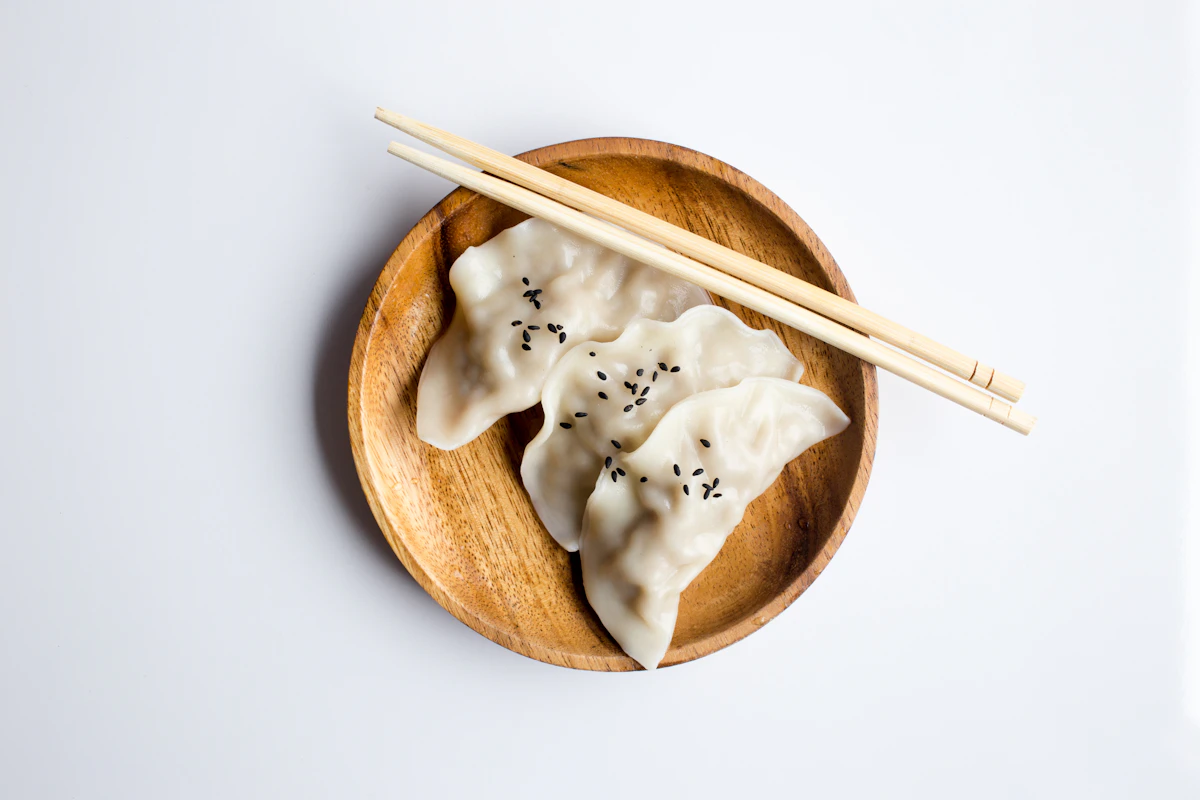
The classics are classic for a reason: har gow should have translucent wrappers and bouncy shrimp, siu mai should be juicy without tasting greasy, cheung fun should be slippery and freshly steamed, and char siu bao should have a soft bun with a sweet-savory pork center. Add chicken feet if the table is adventurous, turnip cake if you want something pan-fried, and egg tarts only when they are still warm.
Regulars are selective about timing. They skip lukewarm fried dishes, steamed baskets with wrinkled wrappers, and anything that looks dry under the lid. They also know when to leave: once the tea has been refilled a few times, the card is full, and the best carts have already passed, ask for the bill instead of waiting for one more basket. A good dim sum meal should end before everyone is heavy and sleepy.
About the author
Mei Lam writes for China Eating about regional Chinese food, street markets, and the everyday rituals of the Chinese table.
Frequently asked
Common questions
- Do I have to speak Cantonese at dim sum?
- No. Pointing works well at cart-service restaurants, and many servers will lift lids so you can see the dish. Learning a few names helps: har gow for shrimp dumplings, siu mai for pork-and-shrimp dumplings, cheung fun for rice rolls, and cha siu bao for barbecue pork buns.
- How many dim sum dishes should I order?
- For a first round, order two to three baskets for every two people, plus tea. Add more gradually. Dim sum tastes best hot, and ordering in waves keeps the table from filling with cooling plates.
- What does tapping the table mean when tea is poured?
- A two-finger tap is a quiet thank-you when someone pours tea for you. It is common in Cantonese tea houses and is understood as a polite gesture, especially when conversation is flowing and you do not want to interrupt.
Keep reading