Sichuan Cuisine and Snacks: 21 Famous Dishes from the Official Sichuan Food Guide
A two-part Sichuan food guide covering 13 classic Sichuan dishes and 8 Chengdu-style snacks, with dish photos and introductions collected from the Sichuan Provincial People’s Government food guide.
Official Sichuan food guide in two parts
This guide follows the Sichuan Provincial People’s Government food page and organizes the dishes into two operating sections: 川菜 / Sichuan dishes and 小吃 / Sichuan snacks. Each entry keeps the original Chinese introduction for auditability and provides an English version for readers of China Eating.
The first group covers 13 representative cooked dishes and banquet classics. The second group covers 8 famous snacks associated with Chengdu, Yibin, Xindu, and the wider Sichuan snack tradition.
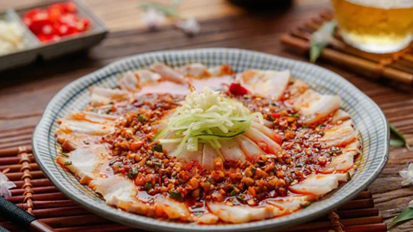
川菜 01. 蒜泥白肉 / Garlic Pork Slices
Original Chinese introduction: 据传说,“白肉”源于北方满族,后传入南方,落户四川,衍变成今日之蒜泥白肉。旧时的四川大小城镇,卖白肉的馆子比比皆是。其中尤以清末民国初期开业的成都竹林小餐的蒜泥白肉风味独特,卖出名后食者为了区别,就直接叫它“竹林白肉”。现为四川大众化家常著名冷菜。特点:汁色红亮,咸鲜微辣,回味略甜,蒜泥味浓,肉片肥瘦相连,张片极薄,形美而入味。选连皮猪腿二万肉洗净,入汤锅者至断生(不见血水)即端离火口,用原汤浸泡至汤温热捞出,趁热片成长约7厘米、宽4厘米的薄片置圆盘内,淋上复制红酱油、红油、蒜泥即成。操作要领:复制酱油系用酱油加红糖、香料、味精制而成;要选用香胜于辣的二荆条辣椒烫制红油;制蒜泥法,以擂茸的大蒜利少许盐、香油、冷汤调成稀糊状,蒜泥要保持其本色,宜当天用当天春:白肉要做到热吃热片,片张要不穿花,薄而均匀,像木工的“刨花”一样,猪皮、肥肉、瘦肉三者相连。
English translation: Legend connects sliced white pork with northern Manchu foodways before it settled in Sichuan and became garlic pork slices. The famous Chengdu Zhulinhui version helped make the dish known as a popular cold plate. Its appeal is bright red sauce, savory heat, a faint sweetness, deep garlic aroma, and very thin slices that keep skin, fat, and lean meat connected. Pork leg with skin is gently cooked, rested in the warm cooking liquid, sliced while hot, and dressed with compounded red soy sauce, chili oil, and garlic paste. The key is aromatic Erjingtiao chili oil, garlic paste made fresh, and slices as thin and even as wood shavings.
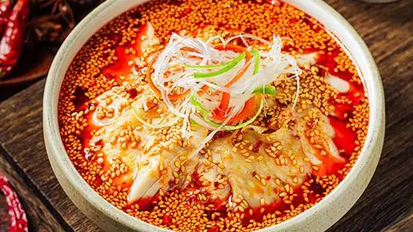
川菜 02. 红油鸡片 / Chicken Slices in Chili Oil
Original Chinese introduction: 普及率较广的风味冷菜,民间家庭和大众餐馆中常见。特点:鸡肉细,咸鲜香辣,回味略甜。用仔公鸡去脚洗净,入开水锅煮至刚熟捞出,入冷开水中漂凉。食时捞出振干水分,去骨改刀装盘,淋上红油味汁即成。操作要领:煮鸡应注意火候,不宜久煮;红油味汁用量须适度。
English translation: This widely loved cold dish appears in homes and everyday restaurants across Sichuan. Tender young chicken is cooked just until done, cooled in boiled water, boned, sliced, and dressed with a red-oil sauce. The texture should be fine and tender, while the flavor is savory, fragrant, spicy, and lightly sweet. The cooking time matters: overcooking dries out the chicken, and the red-oil dressing should be generous without drowning the meat.
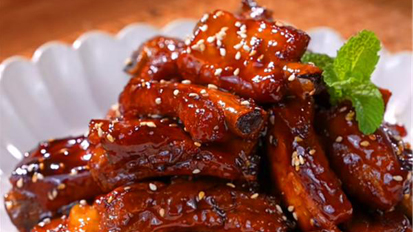
川菜 03. 糖醋排骨 / Sweet and Sour Pork Ribs
Original Chinese introduction: 历史上广泛用作筵席冷碟,是调节下酒菜口味的重要品种。特点:色泽金黄,排骨酥烂,甜酸爽口。猪签子排骨(正肋骨)砍成寸节码味,加汤蒸至肉离骨,再用七成油温炸成金黄色。菜油炒糖汁,掺水下排骨,调味,用微火自然收汁,见汁干放醋、滴香油、撒芝麻起锅。操作要领:排骨一定要蒸至肉与骨稍用力即成分离状态;蒸好晾干水分才炸;微火收汁,见干起锅;醋要后放。亦可用煮的方法使排骨离骨后再炸。
English translation: Sweet and sour ribs were historically served as a banquet cold dish and helped balance the flavors of dishes served with wine. Properly made ribs are golden, crisp-tender, sweet, sour, and refreshing. Pork rib sections are seasoned, steamed until the meat loosens from the bone, dried, fried until golden, then reduced with sugar sauce and water. Vinegar is added at the end so its brightness survives, with sesame oil and sesame seeds finishing the dish.
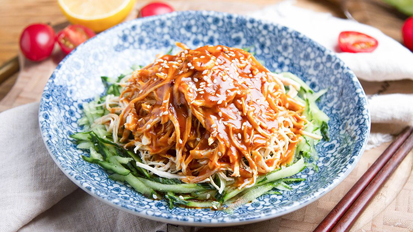
川菜 04. 怪味鸡丝 / Strange-Flavor Shredded Chicken
Original Chinese introduction: 为川菜的代表风味冷菜。特点:质地细嫩,麻、辣、甜、咸、酸、鲜、香兼备,且五不压抑味美爽口。仔公鸡经宰杀治净,煮熟捞出,晾凉后去骨,切成丝,加葱白丝及怪味调料拌匀即成。操作要领:调味要注意用料比例,辣椒油应忌用朝天椒,以免燥辣;花椒应选用大红袍,体现麻香;鸡肉要顺筋切成丝;味汁要调浓稠才“巴味”。
English translation: Strange-flavor shredded chicken is a representative Sichuan cold dish because it layers ma, la, sweet, salty, sour, umami, and fragrance without letting any one flavor dominate. A young rooster is cleaned, cooked, cooled, boned, and shredded along the grain, then mixed with scallion and a thick strange-flavor dressing. The chili oil should not be harsh, Dahongpao peppercorn is preferred for aroma, and the dressing must be concentrated enough to cling to the chicken.
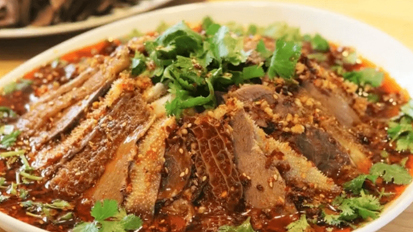
川菜 05. 夫妻肺片 / Fuqi Feipian, Sliced Beef and Offal in Chili Sauce
Original Chinese introduction: 20世纪30年代由成都的郭朝华夫妇始创,故名。是川菜众多“凉拌牛杂”中名气最大的一款。现实中的“夫妻肺片”并没有牛肺。1997年被评为“中华名小吃”,1999年被国内贸易部评为“中国名菜”。特点:色泽红亮,质软化渣,麻辣香鲜。黄牛肉、牛杂等先在锅中用白卤水卤熟后捞起晾冷,再片切成长6厘米、宽3厘米的薄片,拌上用卤水、红油辣椒、油酥花生米末、芝麻粉、花椒粉以及葱节兑成的味汁,撒芹菜节拌匀即可。操作要领:掌握卤牛肉、牛杂的火候和时间,质地要软和;刀工要好,片张大而薄;芹菜增香不能缺;调料中加卤水拌制其味道醇厚。食时可配白面锅魁。
English translation: Fuqi feipian was created in Chengdu in the 1930s by the couple Guo Chaohua and his wife, which explains the name. Despite the word fei, modern versions usually contain no lung. Beef and offal are braised in a white master stock, cooled, sliced thin, and dressed with braising liquid, chili oil, crushed fried peanuts, sesame, Sichuan pepper, scallion, and celery. Its classic character is glossy red color, soft texture, and a fresh, aromatic mala flavor. Good knife work, properly tender braised meats, celery fragrance, and a little braising liquid in the sauce are essential.
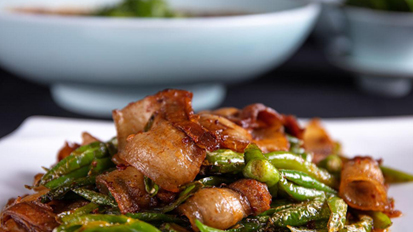
川菜 06. 回锅肉 / Twice-Cooked Pork
Original Chinese introduction: 民间又叫“熬锅肉”“过门香”。传说这道菜是中华人民共和国成立前,学徒工帮老板干活,每月只有初二、十六两次“牙祭”(巴蜀人将吃肉解馋称为打“牙祭”),才算满师,“牙祭”中都少不了回锅肉来解馋过瘾。因此,回锅肉在众多的川味名菜中,其善及率和知名度在川菜中堪称第一早期的四川菜谱都将列为开宗明义的第一个菜。 川味正宗回锅肉的特点:色泽红绿相衬,肉现灯窝,绵软滋润,干香化渣,肥而不腻,味浓鲜香,微辣回甜。选带皮猪坐臀肉,加少量姜、、花椒煮至断生,切成长 6.5厘米、宽4.5厘米厚0.3厘米的片(即民间常说的“回锅肉,铜钱厚”),入油锅小火炒,待水汽将干呈灯窝状时撒微量川盐炒至吐油,下剁细的豆瓣酱炒至肉片上色,续下甜面酱、红酱油、白糖炒匀,加马耳形的蒜苗节炒至断生即成。操作要领:选肉质紧密,无缠的二刀肉;肉煮断生即可,忌煮过,趁热切,小火熬(炒);蒜苗要拍松再切,不要炒得太死,以保持碧绿本色和清香口感:下甜面酱(最好先稀释)时火候不宜大;要选用红里发黑的酿造豆瓣酱,才能满足成菜酱香醇和;红酱油增色提味量宜少,以免压豆瓣红润之色;糖提鲜和味,有回甜味即可。回锅肉在四川家喻户晓,人人爱吃,应归功于其“滋味”和“辛香”。
English translation: Twice-cooked pork, also called aoguorou or guomenxiang, is one of Sichuan cuisine’s most widely loved dishes. Pork with skin is first boiled with ginger and peppercorn until just cooked through, then sliced to the traditional “copper coin” thickness. It is slowly fried until the slices curl into a lamp-nest shape, then cooked with Pixian doubanjiang, sweet bean sauce, red soy sauce, sugar, and garlic shoots. A correct plate shows red and green contrast, soft but fragrant pork, rendered fat without greasiness, deep sauce aroma, gentle heat, and a sweet finish.
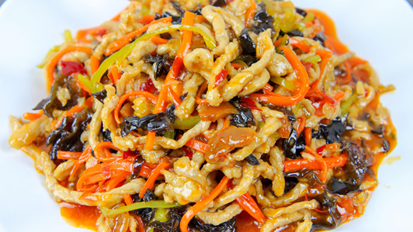
川菜 07. 鱼香肉丝 / Fish-Fragrant Shredded Pork
Original Chinese introduction: 是川菜中鱼香味的代表菜肴。鱼香味,因源于四川民间独具特色的烹鱼调味之法成菜,故名。首创者为清宣统三年(1911年)的四川厨师。特点:色泽红亮,散籽亮油,肉丝根条均匀,肉质细嫩,咸甜酸辣兼备,姜葱蒜味突出。选猪肥瘦肉切二粗丝,泡红辣椒(剁细)。酱油、醋、白糖、水豆粉、鲜汤对成滋汁。将肉丝码味和码芡后入油锅炒至散籽发白,下泡红辣椒茸出红色,加姜蒜米炒出香味,烹滋汁,入葱花迅速翻簸起锅,装盘即成。操作要领:炒时不过油,不换锅,急火短炒,一锅成菜;可加木耳、玉兰片等为辅料,也可不加,从地区烹饪习惯;要选用无筋的猪肉肥瘦肉丝大致按3:7的比例搭配较宜,使其成菜滋润质感好;肉丝的规格为二粗丝(大约长 10 厘米,粗0.3厘米);用辣豆瓣烹制此菜,肉丝不码味;不宜码酱油,以免肉丝色深;蒜的用量应比姜多其数量应稍大:滋汁要对成荔枝味:要控制滋汁量,不官多,故而鲜汤不官多加(因为其他调辅料水分都较重,易使菜肴糊芡,成品不散籽);泡辣椒、姜、蒜不兑入滋汁碗内,应直接下锅炒香上色。
English translation: Fish-fragrant shredded pork represents the famous Sichuan yuxiang flavor, named after a folk method once used to season fish. Pork is cut into even shreds, marinated and thickened, then stir-fried quickly with minced pickled red chili, ginger, garlic, and a sauce of soy sauce, vinegar, sugar, stock, and starch. The finished dish should be bright red, glossy, tender, sweet, sour, spicy, salty, and strongly aromatic with ginger, scallion, and garlic. The key is fast high-heat cooking in one wok and a sauce balanced like lychee flavor.
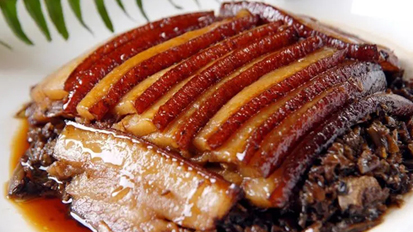
川菜 08. 咸烧白 / Steamed Pork Belly with Preserved Greens
Original Chinese introduction: 此菜是四川传统“三蒸九扣”菜式之一,又称“扣肉”。特点:形圆饱满,软适口,色浓味鲜。选猪带皮五花肉煮断生、走油,切10厘米长、0.5厘米厚的片,在碗内摆“一封书”,上装芽菜节、豆豉、泡辣椒节等,上笼蒸烟,翻扣于圆盘即成。操作要领:肉煮断生即捞起,趁热于肉皮上抹红酱油或糖汁上色,必须蒸炮。传统席桌中常摆成万字形,称为万字烧白。
English translation: Xian shaobai is part of Sichuan’s traditional steamed banquet repertoire, also known as kou rou. Pork belly with skin is boiled until just cooked, colored while hot, fried or oiled, sliced, arranged in a bowl, topped with preserved greens, fermented black beans, and pickled chili, then steamed thoroughly and inverted onto a plate. It should look round and full, taste rich and savory, and feel soft but not collapsed. On old banquet tables it was sometimes arranged in a wanzi pattern.
川菜 09. 东坡肘子 / Dongpo Pork Hock
Original Chinese introduction: 苏东坡“慢着火,少着水,火候足时他自美”的13字要诀莫定了烹制此菜的经典。其出生地眉山由此产生了东坡系列菜,成都味之腴餐厅靠此成为了名店。1909年出版的《成都通览》记载为席桌大菜。旧时,民间讲究者,用宣纸密封罐,置小火上慢煨。特点:汤汁乳白,肉炽软,形完整操作要领:猪肘治净煮熟去骨,放入垫有猪骨的砂锅中,加肉汤(一次加足)、姜、料酒旺火烧开,下雪豆,盖严移微火上煨制约3小时;吃时加盐连汤带豆舀入大碗,配酱油碟蘸食。历史上多用猪五花肉制作,名曰“东坡肉”。
English translation: Dongpo pork hock draws on Su Dongpo’s famous principle of slow fire, little water, and enough time. Meishan, his birthplace, developed Dongpo-style dishes around this tradition, and old Chengdu records list the pork hock as an important banquet dish. A cleaned pork hock is cooked, deboned, placed in a clay pot with pork bones underneath, simmered with stock, ginger, cooking wine, and snow peas for about three hours, then served with soup and beans plus a soy dipping sauce. The ideal result has milky broth, tender meat, and an intact shape.
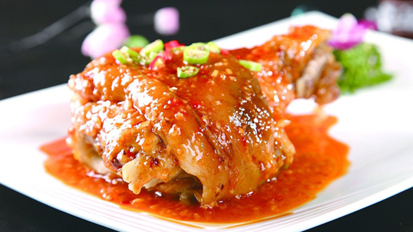
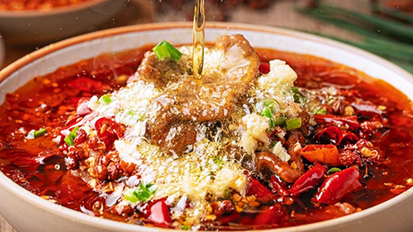
川菜 10. 水煮牛肉 / Water-Boiled Beef
Original Chinese introduction: 该菜源于自贡。因菜中的牛肉片,不是用油炒的,而是在辣味汤中烫熟的,故名“水煮牛肉”特点:色泽红亮,肉质滑嫩,麻辣烫咸鲜,滋味浓厚。选牛腰柳肉,按横筋切片(约长5厘米、宽3厘米、厚 0.3 厘米),以川盐、水豆粉、料酒码匀。干辣椒、花椒入油锅熵至深红色取出,铡碎(业内称:刀口椒),再下郫县豆瓣熵出色,继下姜、蒜米出香味,下青笋尖、芹菜段炒断生,掺鲜汤,撒川盐,入蒜苗煮至断生时拣出,盛窝盘内。肉片抖散下锅滑散,断生后起锅置于蔬菜上,撒糊辣辣椒、花椒末,浇沸油即成。操作要领:突出麻辣烫特点,保持肉片质地鲜嫩是此菜关键。用精瘦牛肉,首选牦牛肉,其次黄牛肉,最次水牛肉。肉片水分要吃够。码芡量稍重,以成品肉片均匀裹上一层像浆糊状的淀粉,菜肴汤汁自然浓稠,不再勾芡为好。干辣椒、花椒切忌熵糊焦,以早深红色为佳,花椒要后放。炒蔬菜配料时,咸淡要合适,以断生人味为准。配料中蒜苗芹菜不可少另加一至两种时鲜蔬菜。肉片要陆续抖散放入锅内,切忌肉片粘连巴锅。肉片下锅后不官马上搅动以免脱芡,要待锅内起气泡时才用筷子轻轻拨散。起大泡时说明肉片已熟,即可起锅。该菜所加鲜汤不宜过多,以肉片成熟后汤呈浓稠糊状为度(该菜不需勾芡)。浇淋肉片的油应烧至八成油温左右为好,这样才烫得出香味。成菜的油量应将菜肴表面淹完,以保持热度不散,上桌后仍有短暂的开沸状。
English translation: Water-boiled beef originated in Zigong. The name comes from cooking beef slices in a spicy broth rather than stir-frying them in oil. Tender beef is sliced across the grain, marinated with salt, starch, and wine, then cooked in a broth flavored with Pixian doubanjiang, ginger, garlic, dried chili, and Sichuan pepper. Vegetables such as lettuce tips, celery, and garlic shoots form the base. The dish is finished with chopped toasted chili and peppercorn plus boiling oil. It should be red, hot, numbing, salty-savory, and rich while keeping the beef slippery and tender.
川菜 11. 红烧什锦 / Red-Braised Mixed Delicacies
Original Chinese introduction: 为四川历史悠久的菜品。20世纪30年代成都名店“努力餐”售卖此菜价廉物美,被食家赞曰:“精且廉,努力餐,红烧什锦名满川”,至今仍为食者津津乐道。特点:色泽红润,咸鲜味美,质感多样。净猪心舌肚氽水,与鸡肉均切大一字条。水发子蹄筋切节,冬笋、青笋、红萝卜切大一字条:冬菇煮后改条。猪环喉洗净,剞人字花刀,加味蒸。取炒锅,加红汤及调料,将前列各料先后烧起锅时以素菜垫底,其他料盖面,环喉置最上面,原汁勾二流芡淋上即成。操作要领:掌握好各料质地,分先后人锅烧入味;汁芡浓稠要适量。此菜以用料多样为其特点,所用原料可根据情况随意组合。
English translation: Red-braised mixed delicacies is an old Sichuan dish once made famous by Chengdu’s Nulican restaurant for being both refined and affordable. It combines varied textures: pork heart, tongue, tripe, chicken, tendon, bamboo shoots, lettuce stem, carrot, mushroom, and scored pork throat. Ingredients are blanched, cut, cooked in sequence with red broth and seasonings, then served over vegetables with the richest pieces on top and a light thickened sauce. Its charm is red color, savory flavor, and many textures in one dish.
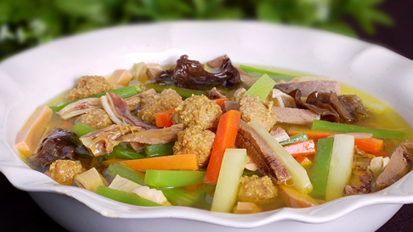
川菜 12. 宫保鸡丁 / Kung Pao Chicken
Original Chinese introduction: 为四川久享盛名、闻名全国的传统名菜。相传此菜是清代四川总督丁宝桢所创,因其为丁宝桢最喜食的菜肴而得名。丁宝桢是清咸丰三年(1853年)进士,历任山东巡抚、四川总督等职。曾加封“太子少保”衔,人称“丁宫保”。据传,有一次,成都士绅宴请总督,菜中有用青椒炒鸡了一菜,颇获其意,因询其名,属下为讨好丁宝桢,故答曰:此菜专为宫保大人所作,当以“宫保鸡丁”名之。由此,宫保鸡丁即开始流传于肆市。后经川厨高手改进,使用油酥花仁和干辣椒节,调成荔枝味。成为川菜中知名度最高的菜肴之一。并以发展为宫保系列菜。特点:色泽棕红,散籽亮油,辣香酸甜,滑嫩爽口。选嫩公鸡肉,切约1.5厘米见方的丁,码酱油码水淀粉。干辣椒去蒂切短节,姜、蒜切片,葱切丁。锅置旺火上,下油烧热,下干辣椒节、花椒炸变色,人鸡丁炒散加姜蒜炒匀,京人用川盐、白糖、酱油、味精、鲜汤、淀粉、丁对成的滋汁,迅速翻簸,加酥花生仁、醋簸匀,起锅装盘即成。操作要领:鸡肉要排松,后切丁,以利成熟和入味;鸡丁要用酱油码味上色;醋比糖稍重,呈弱酸甜味;辣椒先炸、花椒后下。
English translation: Kung Pao chicken is one of Sichuan’s best-known traditional dishes. It is linked to Ding Baozhen, a Qing official whose title was Gongbao. Tender chicken is diced, marinated with soy sauce and starch, then stir-fried with dried chili, peppercorn, ginger, garlic, scallion, peanuts, and a lychee-flavor sauce of salt, sugar, soy sauce, vinegar, stock, and starch. The finished dish is reddish brown, glossy, spicy, fragrant, slightly sweet and sour, tender, and crisp from the peanuts. The vinegar should be just heavier than the sugar, and the chilies are fried before the peppercorn is added.
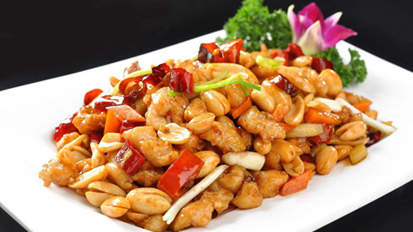
川菜 13. 豆瓣鲜鱼 / Fresh Fish with Doubanjiang
Original Chinese introduction: 是四川乡土风味极浓的传统名菜,在民间也流传甚广。特点:色泽红亮,咸鲜微辣,略带甜酸,鱼形体完整,肉质细嫩。选鲜鱼经剖杀治净,在鱼身两面剞刀,用川盐、料酒、姜码味,人油锅稍炸,至紧皮(皱皮)取出。锅留油,人郫县豆瓣(剁细)、姜、蒜出香味,放入鲜汤、酱油、川盐、白糖、醋等与鱼同烧至鱼熟汁将干时,勾芡放醋推转,撒上葱花起锅,盛入条盘中即成。探作要领:鱼剞一字花刀时,要注点进刀不可过深,以免炸、烧后造成鱼身破碎。码味时差葱不能少,炸鱼时,应使用较大油量,高油温(大约七至八成热),使其快速收紧鱼的表皮。鱼不宜久炸,否则烧时不易人味,且食时肉质老枯。一般以炸紧皮为度。只要油温达到,炸的鱼是浅金黄色。郫县豆瓣要熵红,姜蒜要炒出香味。烧鱼时用中小火,要烧入味。要忌用浓汤烧鱼。两面均应烧熟,并注意保持鱼形体完整。醋官分两次放入,第一次应在开始烧鱼时放人,利于鱼刺软化;第二次放醋起和味的作用并使味汁具有一定的酸味,宜在勾芡后加人,以免挥发或变味。
English translation: Fresh fish with doubanjiang is a rustic Sichuan classic. A whole fish is cleaned, scored, seasoned with salt, wine, and ginger, briefly fried to tighten the skin, then braised with finely chopped Pixian doubanjiang, ginger, garlic, stock, soy sauce, salt, sugar, and vinegar. The sauce is thickened and finished with scallion. The dish should be glossy red, savory, mildly spicy, slightly sweet and sour, with the fish kept whole and tender. Frying should only tighten the skin, and vinegar is best added in two stages for both softening and final brightness.
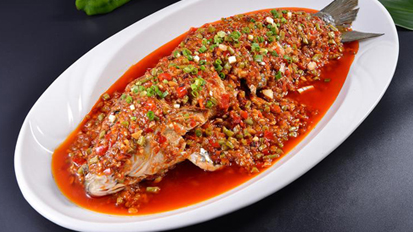
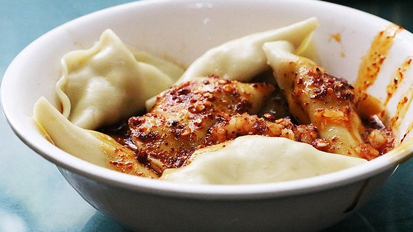
小吃 01. 钟水饺 / Zhong Dumplings
Original Chinese introduction: 即红油水饺,为成都著名小吃,始创者姓钟,故名。因店曾设荔枝巷,所以又称“荔枝巷水饺”。“钟水饺”,始创于1893年,20世纪20年代即已闻名成都。全肉馅和小巧玲珑为其他水饺所不及。特点:形如月牙,色白馅饱,皮薄馅嫩,配料浓香,汁水红亮,鲜香微辣,咸中带甜。用鲜猪腿肉去皮、骨、筋,剁极细,加盐、姜汁、花椒水、胡椒粉拌成馅,再用手工擀制的水饺皮(直径4.5厘米的薄皮)包成半月形,入开水锅中煮熟,舀入盛有调料的碗内即成。操作要领:花椒用沸水冲泡后用其水;姜汁用浸泡法或捶茸后纱布过滤取得;制馅时应使肉、水融为一体;饺子封口要捏合好;煮饺时要水宽水滚,投量合适,以煮至皮皱为度;红油辣椒选香辣味好的二荆条;酱油要专门热制:蒜茸用冷开水稀释:味汁应调得较浓稠。食时配酥皮椒盐锅魁,其味尤佳。若用清汤即为清汤水饺。
English translation: Zhong dumplings, also known as red-oil dumplings, are a famous Chengdu snack named after their founder Zhong. The shop was once located in Litchi Alley, so the dumplings are also called Lizhi Alley dumplings. Founded in 1893, they became famous in Chengdu by the 1920s. They use an all-pork filling and small handmade wrappers, then are served in a concentrated sauce with red oil. The shape is crescent-like, the wrapper thin, the filling tender, the sauce glossy red, aromatic, mildly spicy, salty, and sweet.
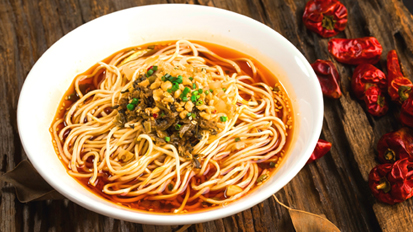
小吃 02. 担担面 / Dan Dan Noodles
Original Chinese introduction: 是成都市的著名小吃。据传,1841年由陈包包创始于自贡市。因最初是挑担沿街叫卖而得名。目前,重庆、自贡等地仍保持原来的素面风味。成都则在素面的基础上,加猪肉酥臊子。以浓郁的川味而流行全国。特点:面细无汤,臊子酥香,咸鲜微辣。细圆面条煮熟,配已断生的净豌豆尖(或其他嫩菜叶),入以红酱油、化猪油、麻油、芝麻酱、蒜泥、花、红油辣椒、花椒粉、醋、芽菜、味精等对成的调料碗中,舀上猪肉酥臊子即成。操作要领:煮面须用旺火,水宜宽,不可煮得太软;豌豆尖在开水里烫断生即挑入碗内。此品种调料多少,可以根据食者口味酌情增减。
English translation: Dan dan noodles are a famous Chengdu snack said to have been created in Zigong in 1841 by Chen Baobao. They were named after the shoulder pole used by vendors who carried and sold them on the street. Chengdu versions often add crisp minced pork topping over the older plain noodle style. Thin round noodles are cooked, placed over tender greens, and mixed with red soy sauce, lard, sesame oil, sesame paste, garlic, scallion, chili oil, peppercorn powder, vinegar, preserved greens, and MSG. The result should be dry rather than soupy, with fine noodles and a savory, mildly spicy, aromatic topping.
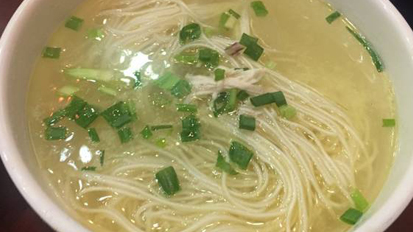
小吃 03. 银丝面 / Silver Thread Noodles
Original Chinese introduction: 为新都特色小吃品种。据《新都县志·名特篇》中记载:“新都银丝面,根根细如线,制作手艺巧,吃起味道鲜。”特点:色银白,筋力强,不浑汤,味鲜美,细嫩爽滑。若配以质鲜味美、清淡可口的面臊,更能突出其风味。选特级面粉、新鲜鸡蛋清。制作时,不加水、不加碱将面粉和鸡蛋清和匀成面团,擀切成细如棉线丝的面条。此面适它的面臊有:杂酱、三鲜、原汤鸡汁、奶汤、鳝鱼什锦、海味、原汤鸡丝等。操作要领:面团要和匀,揉熟,盘成条要好中求快,以防风干;面粉1千克需鸡蛋10个;若用面粉和全蛋擀成的面条,则面色金黄,称金丝面。其食用方法与银丝面同。
English translation: Silver thread noodles are a specialty of Xindu. Local records praise them as fine as threads, skillfully made, and fresh in flavor. The noodles are made from premium flour and fresh egg whites without added water or alkali, then rolled and cut into strands as fine as cotton thread. They should be silvery white, strong, clear in soup, fresh, tender, and smooth. Suitable toppings include zajiang, three-delicacy toppings, original chicken broth, milk broth, eel mixed toppings, seafood, and shredded chicken.
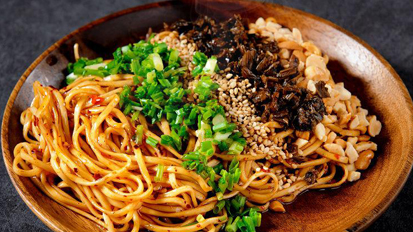
小吃 04. 宜宾燃面 / Yibin Burning Noodles
Original Chinese introduction: 又称油条面。形成于清朝光绪年间,是宜宾传统的名小吃。1997年被认定为“中华名小吃”特点:红亮,辣香,爽口。面条煮到刚熟,捞出甩干盛入有化猪油、芽菜、葱花、味精、酱油、精盐、红油辣椒等调味品的碗内,淋入烧至六成热的猪油并撒熟芝麻、熟碎花生和匀即成。操作要领:面不能软,充分沥干水分;油温适度;酱油宜少;成品要求面条干,重油脂,少汁液。如浇肉就是荤燃面,淋上骨汤则成燃汤面。因淋热油时发出响声,犹如燃烧而故名。
English translation: Yibin burning noodles, also called oil noodles, took shape in the Guangxu era of the Qing dynasty and became a famous traditional snack of Yibin. Recognized as a Chinese famous snack in 1997, it should be red, glossy, spicy, fragrant, and refreshing. Noodles are cooked just until done, shaken dry, then mixed with lard, preserved mustard greens, scallion, MSG, soy sauce, salt, chili oil, hot lard, sesame, and crushed peanuts. The noodles must stay firm and dry, with heavy oil and little liquid. With meat topping they become meat burning noodles; with bone broth they become soup-style burning noodles.
小吃 05. 甜水面 / Sweet Water Noodles
Original Chinese introduction: 最早见于资料记载的是清末成都皇城坝的甜水面担子,20世纪40年代成都白云寺“担担甜水面”名气大。作家萧军在抗战初期访问成都吃甜水面上了瘾,他对甜水面奇特的配方是这样评价的:“你们的甜水面我不大理解,你们在面中加的红酱油都是甜味,这在我吃过全国的面食中,也是少见的。甜味中加上辣椒,这就更奇特了,但是吃在口里,却很受吃,好吃,有回味,别的地方没有这样的做法。”1992年被成都市人民政府命名为“成都名小吃”。特点:根条均匀,泽红亮,香辣味甜,爽滑绵韧。面粉加盐、清水揉匀成团,饧制,擀切成0.6厘米的条子,提两头甩扯成筷子粗的条子后掐去两头,人沸水中煮熟捞起,沥水盛人装有酱油、甜酱油、熟油辣椒、芝麻酱、香油和蒜泥的碗内即成。也可冷拌。操作要领:和面时加一点食盐,以增加其筋力;扯面时用力要均匀;重用辣、甜、香调料。
English translation: Sweet water noodles were recorded in late Qing Chengdu, and by the 1940s the Baiyun Temple sweet-water-noodle stand was famous. The dish surprised writer Xiao Jun because sweet red soy sauce and chili created a flavor uncommon in other Chinese noodles. The thick noodles are made with flour, salt, and water, rested, cut into strips, stretched to chopstick thickness, boiled, drained, and mixed with soy sauce, sweet soy sauce, cooked chili oil, sesame paste, sesame oil, and garlic. The texture should be even, glossy red, spicy, sweet, fragrant, smooth, and chewy.
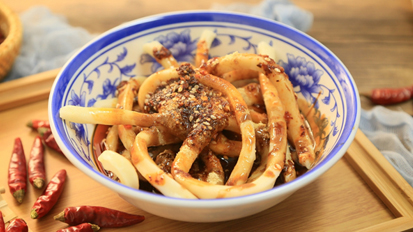
小吃 06. 凉面 / Sichuan Cold Noodles
Original Chinese introduction: 是四川的传统小吃,历史悠久,全国有名。旧时多为夏天(从端午到中秋)供应,现今唯饭店酒楼仍延续,风味店、小吃店大多常年经营。特点:色泽红润,麻辣甜酸,鲜香爽口。特级粉的细面条下锅汩熟捞出,下芝麻油或熟菜籽油抖散制成凉面。绿豆芽择根洗净汆熟,放入碗底。凉面置于碗内,舀怪味佐料淋上即成。操作要领:凉面不宜过硬,调控好调味料比例。
English translation: Sichuan cold noodles are an old traditional snack known across China. They were once mostly sold from Dragon Boat Festival to Mid-Autumn Festival, though many restaurants and snack shops now serve them year-round. Fine noodles are boiled, lifted out, tossed with sesame oil or cooked rapeseed oil so they separate, then placed over blanched mung bean sprouts and dressed with a strange-flavor style sauce. The dish should be red, glossy, numbing, spicy, sweet, sour, fresh, fragrant, and refreshing. The noodles should not be too hard, and seasoning balance matters.
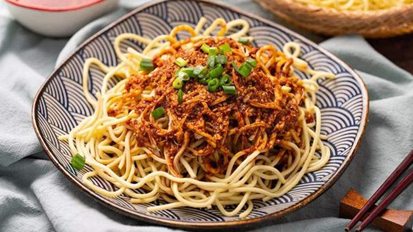
小吃 07. 龙抄手 / Long Chao Shou Wontons
Original Chinese introduction: 成都著名小吃之一,始创于 1941年。川内及重庆与之齐名的有重庆吴抄手、温江程抄手、万州海包面、内江鸡肉抄手等。特点:形如荾角,皮薄馅饱,入口爽滑,细嫩鲜香。将鲜猪腿瘦肉剁茸加清水用力搅拌,加盐、鸡蛋、姜汁、香油、胡椒粉搅拌成馅。用手工擀制的抄手皮(7.5 厘米见方),包馅心,在开水锅中煮熟,舀入装有原汤碗中即成。操作要领:拌馅时掌握好水的用量,搅至水肉融成一体为佳;煮抄手时,火宜大,但不能过猛。其他抄手尚有红油、清汤、海味、炖鸡、酸辣等。
English translation: Long Chao Shou is one of Chengdu’s famous wonton snacks, created in 1941. Related Sichuan and Chongqing versions include Wu chaoshou, Cheng chaoshou, Wanzhou haibao noodles, and Neijiang chicken wontons. Fresh lean pork is minced, beaten with water, salt, egg, ginger juice, sesame oil, and pepper, wrapped in square handmade wrappers, boiled, and served in original broth. The classic shape resembles a water caltrop, with thin wrapper, full filling, smooth mouthfeel, and tender savory flavor. Other versions include red-oil, clear-soup, seafood, chicken-stewed, and sour-spicy styles.
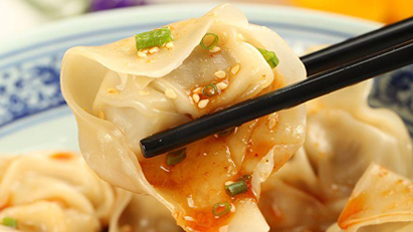
小吃 08. 韩包子 / Han Baozi
Original Chinese introduction: 1914年由温江人韩玉隆在成都创制。后其子韩文华接替经营,推出“南虾包子”“火腿包子“鲜肉包子”等并将其店名更换为“韩包子”,生点越做越红火,其时至今生意不衰。一位外地游客曾在留言簿上写道:“北有狗不理,南有韩包子,韩包子物美价更廉。”特点:花纹清晰,色白碱正皮薄馅饱,松软细嫩。用发面团扯成每个重约40克的剂子,再逐个包上45克馅心(用净猪腿肉按肥四瘦六的比例,剁成小颗粒,加剁茸的虾仁、酱油、胡椒面、花椒面和鸡汁拌成),捏花,露馅,上笼用大火蒸熟即成。操作要领:发面团里酌加白糖和化猪油揉匀,使之细软松泡;装笼时要摆正以免汁水外溢。
English translation: Han Baozi was created in Chengdu in 1914 by Han Yulong from Wenjiang. His son Han Wenhua later took over, introduced shrimp, ham, and fresh pork buns, and renamed the shop Han Baozi. Business grew steadily, and a visitor once wrote, “In the north there is Goubuli; in the south there is Han Baozi.” The buns should have clear pleats, white alkaline dough, thin skin, generous filling, and a soft delicate texture. The filling uses pork leg meat with a fat-to-lean ratio of about four to six, plus minced shrimp, soy sauce, pepper, Sichuan pepper, and chicken jus.
Frequently asked
Common questions
- How is this Sichuan food guide organized?
- It is split into two parts: 13 川菜, or Sichuan dishes, followed by 8 小吃, or Sichuan snacks. The order follows the source page rather than a personal ranking.
- Are these dishes all spicy?
- No. Sichuan food includes mala heat, red-oil cold dishes, sweet-sour flavors, braised dishes, steamed banquet dishes, noodles, dumplings, and buns. The list shows that Sichuan cuisine is broader than chili alone.
- Which dishes are best for first-time visitors?
- Twice-cooked pork, kung pao chicken, fish-fragrant shredded pork, dan dan noodles, Zhong dumplings, and Long Chao Shou are approachable starting points. Water-boiled beef and fuqi feipian are better choices when you specifically want stronger mala flavor.
Keep reading