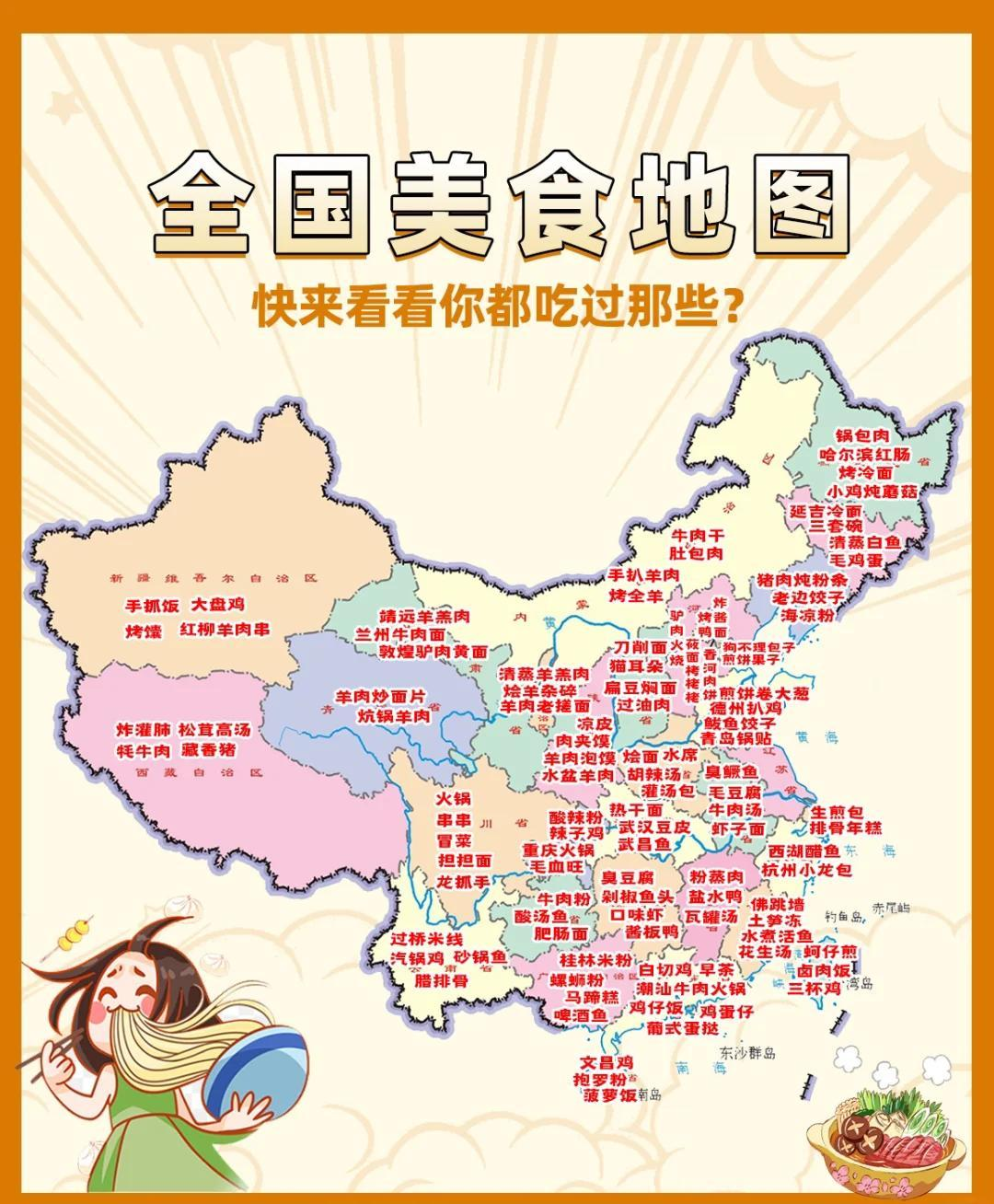
China Food Map: A Brief Guide to Provincial Food During Travel, Very Practical to Save
A translated china food map covering Taiwan, Ningxia, Shaanxi, Anhui, Jiangxi, Hunan, Guangxi, Yunnan, Guizhou, Hong Kong, Qinghai, Xinjiang, Gansu, Hubei, Tibet, Jiangsu, and Shanxi.
A journey across China measured by taste
Have you ever dreamed of measuring every inch of China with your taste buds? From the rugged boldness of the north to the gentle delicacy of Jiangnan; from the sour, spicy, fresh fragrance of the southwest to the diverse fusion of the southeast, every place hides mouthwatering secrets. Today, let us set out together on this journey on the tip of the tongue, unlock the food treasures hidden in streets and alleys, and feel the vast depth and endless charm of Chinese food culture!
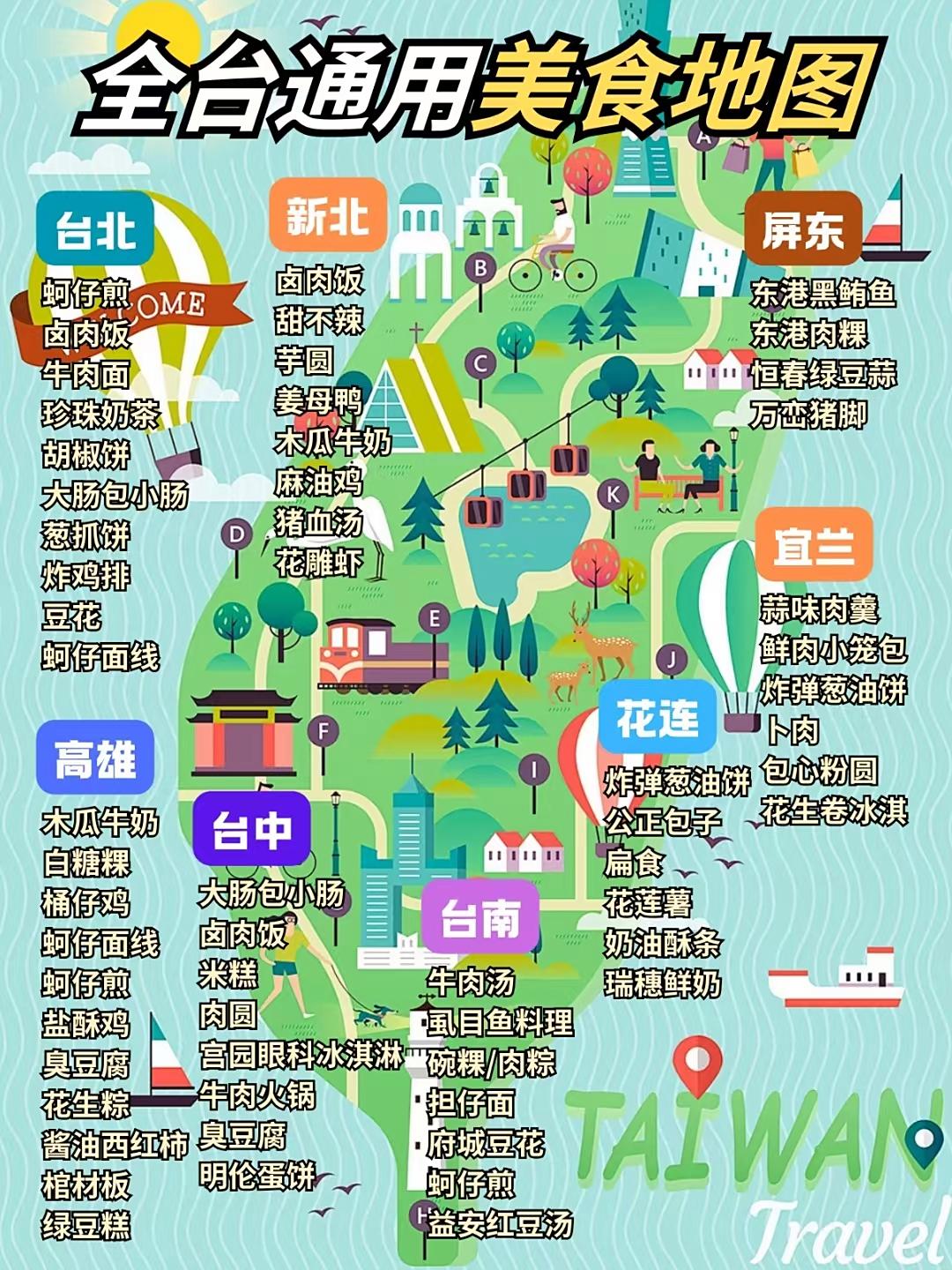
1. Taiwan Food Map
Located on the southeast coast of China, Taiwan has a rich and diverse food culture, blending many flavors including Minnan, Hakka, mainland provincial, and Indigenous traditions.
Must-try food season: suitable in all four seasons, each with its own characteristics.
Popular food places: Taipei night markets (Shilin Night Market, Ningxia Night Market), Tainan snack streets.
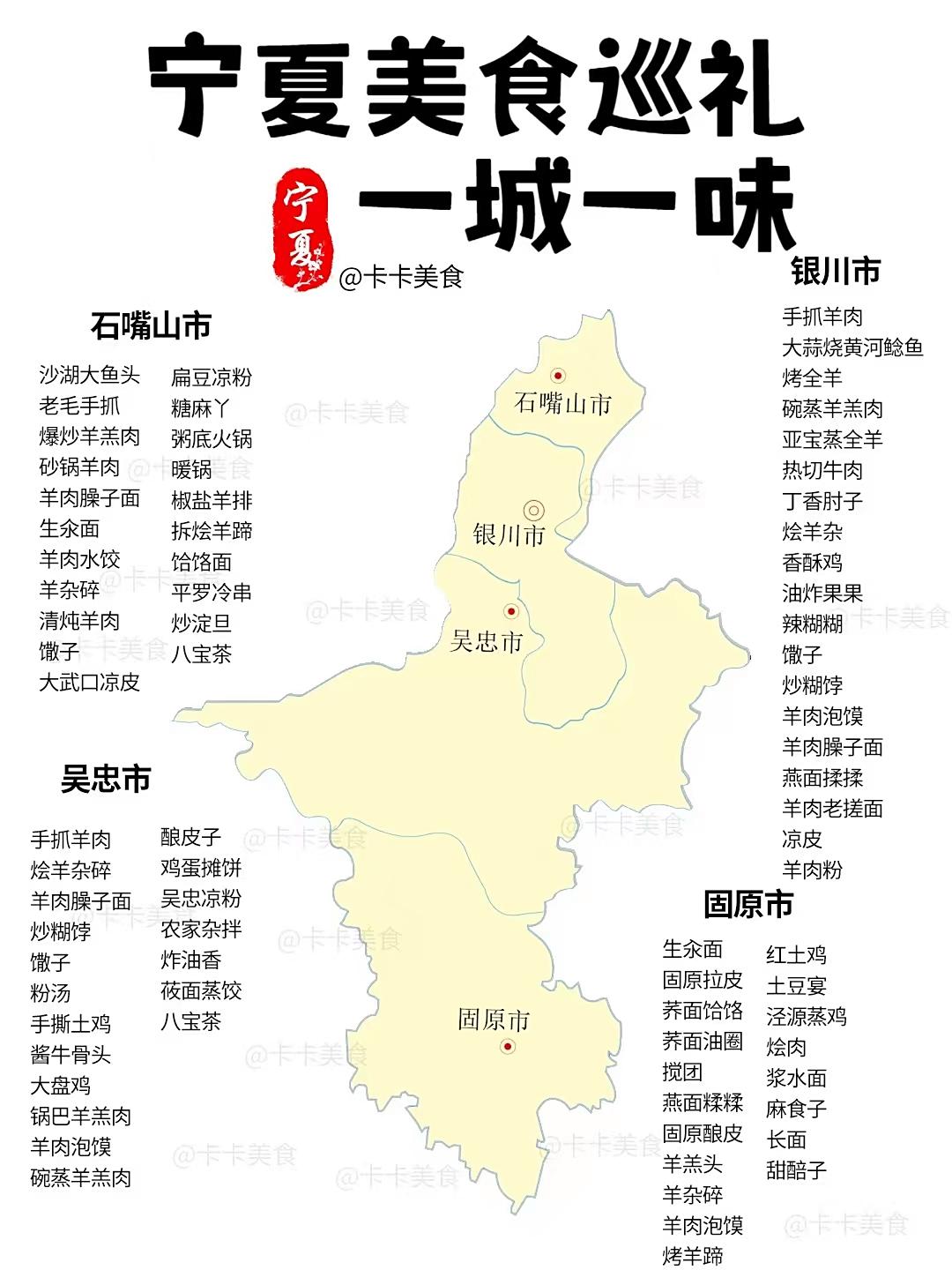
2. Ningxia Food Map
Its capital is Yinchuan. Ningxia is one of China's five autonomous regions for ethnic minorities. Its food blends Hui flavors with northwestern characteristics and has a unique charm.
Must-try food season: spring and autumn are best, with a pleasant climate.
Popular food places: Yinchuan old city, Wuzhong night market.
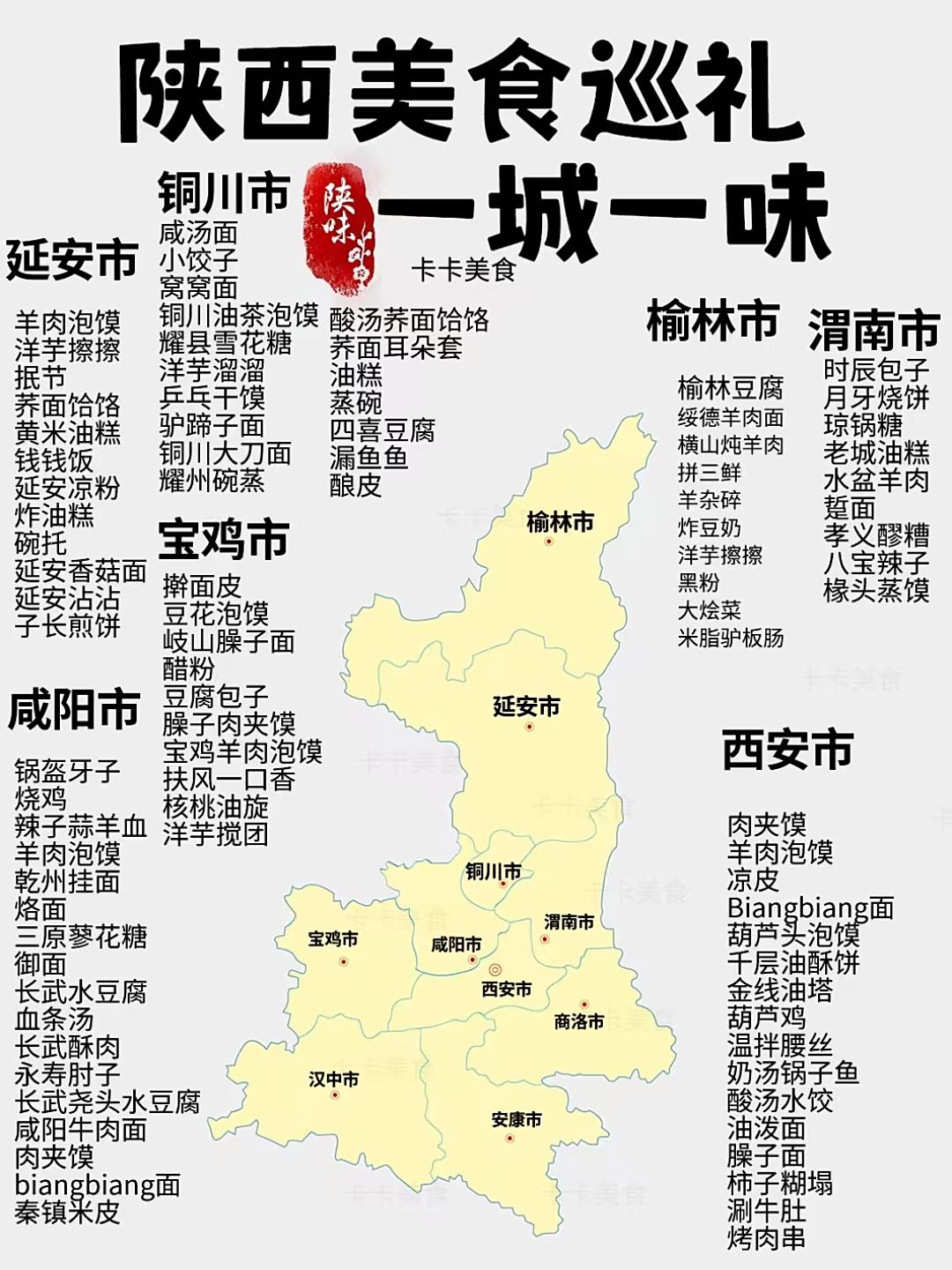
3. Shaanxi Food Map
With Xi'an as its provincial capital, Shaanxi has a long history and a food culture with deep roots. It mainly features noodles and meat, with distinctive flavors.
Must-try food season: spring and autumn are best, with abundant food.
Popular food places: Xi'an Muslim Quarter, Yongxing Fang, Yan'an night market.
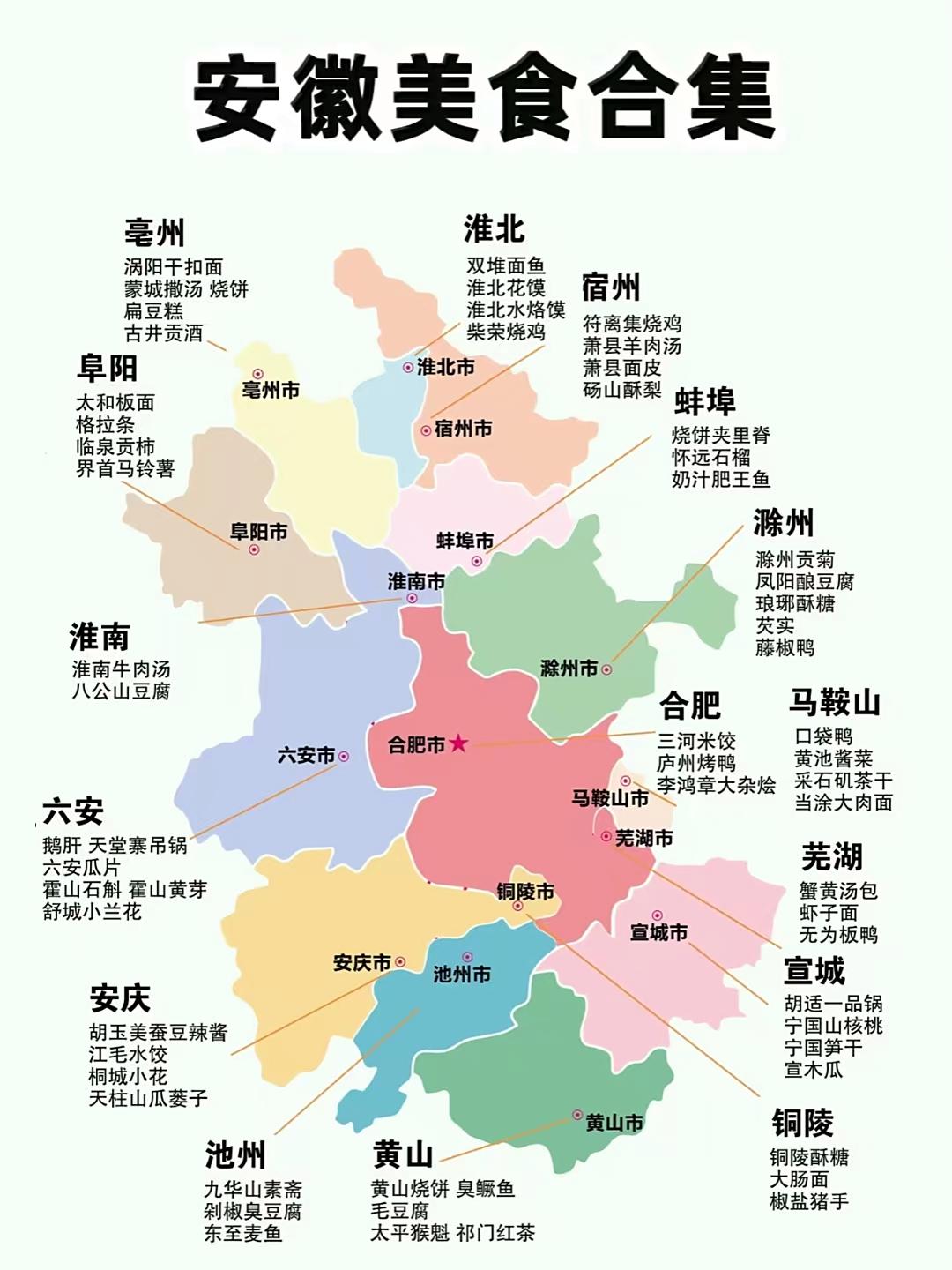
4. Anhui Food Map
Anhui has a deep food culture, represented by Hui cuisine. It pays attention to complete color, aroma, taste, and form, and values the original flavor of ingredients.
Must-try food season: spring and autumn, when ingredients are fresh.
Popular food places: Tunxi Old Street in Huangshan, Huaihe Road pedestrian street in Hefei.
5. Jiangxi Food Map
Abbreviated as Gan, Jiangxi is known for spicy food, blending flavors from southern Jiangxi, northern Jiangxi, eastern Jiangxi, western Jiangxi, and other local areas.
Must-try food season: spring is best, when all things revive.
Popular food places: Nanchang Shengjin Tower food street, Jingdezhen Taoxichuan cultural and creative district.
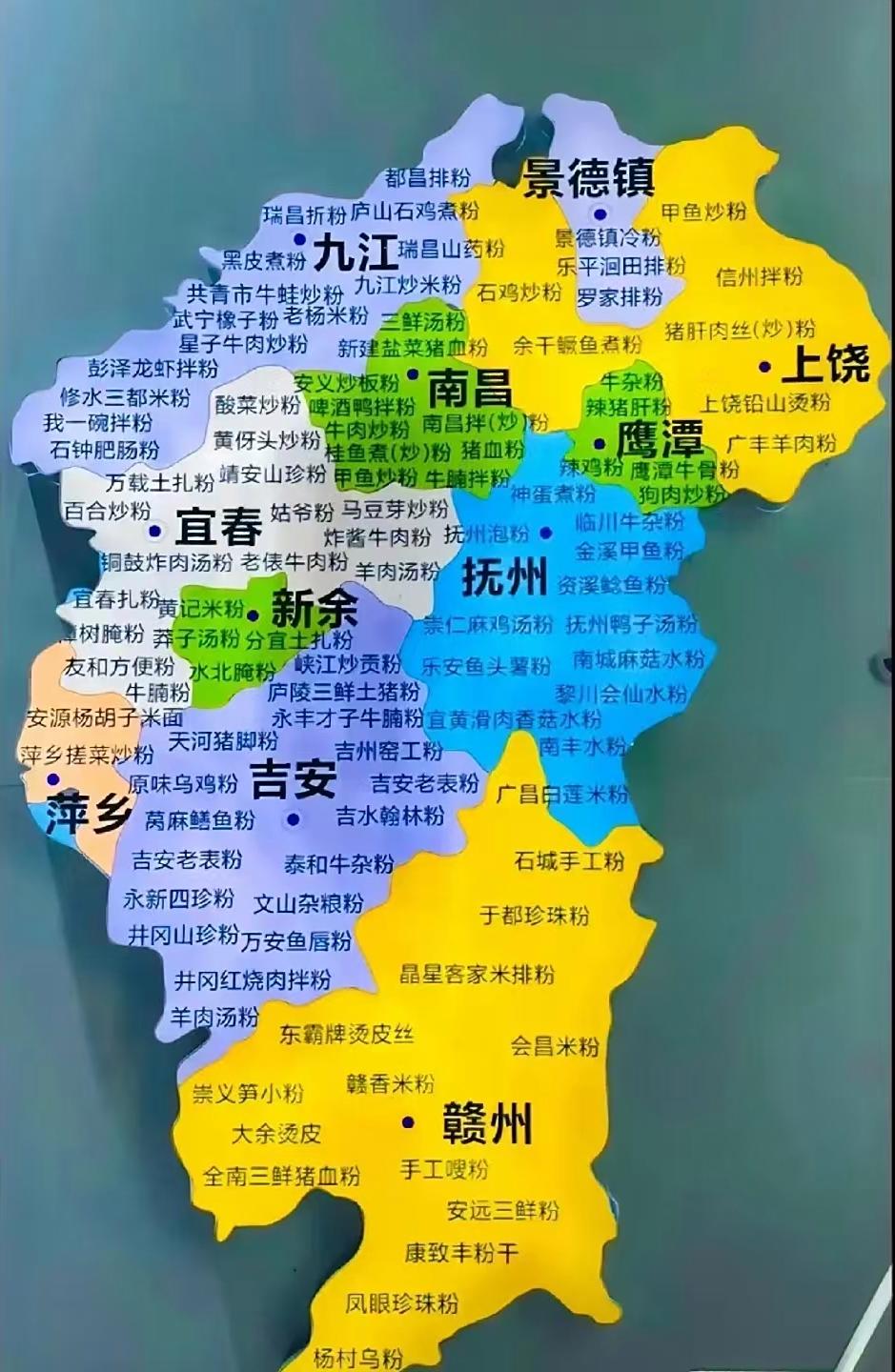
6. Hunan Food Map
Located in central China, Hunan's food is mainly Hunan cuisine, with fragrant, spicy, fresh, and delicious flavors deeply loved by diners.
Must-try food season: spring and autumn are best, with food everywhere.
Popular food places: Changsha Pozi Street, Zhangjiajie Nanmenkou food street.
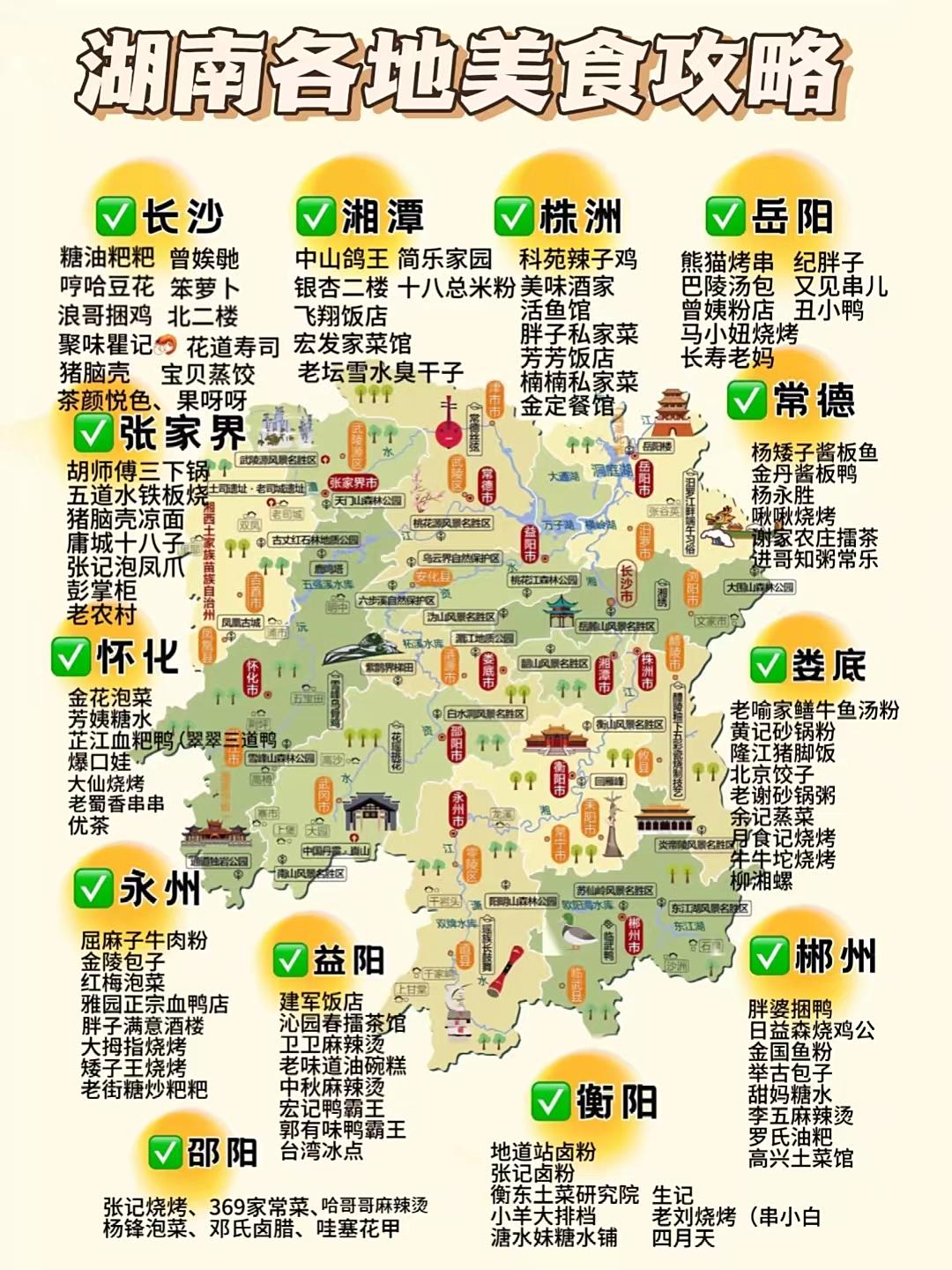
7. Guangxi Food Map
Guangxi is a Zhuang autonomous region. Its food culture is diverse, blending the flavors of Zhuang, Han, Yao, and other ethnic groups.
Must-try food season: April-May and September-October, with a pleasant climate.
Popular food places: Guilin East-West Alley, Beihai Old Street.
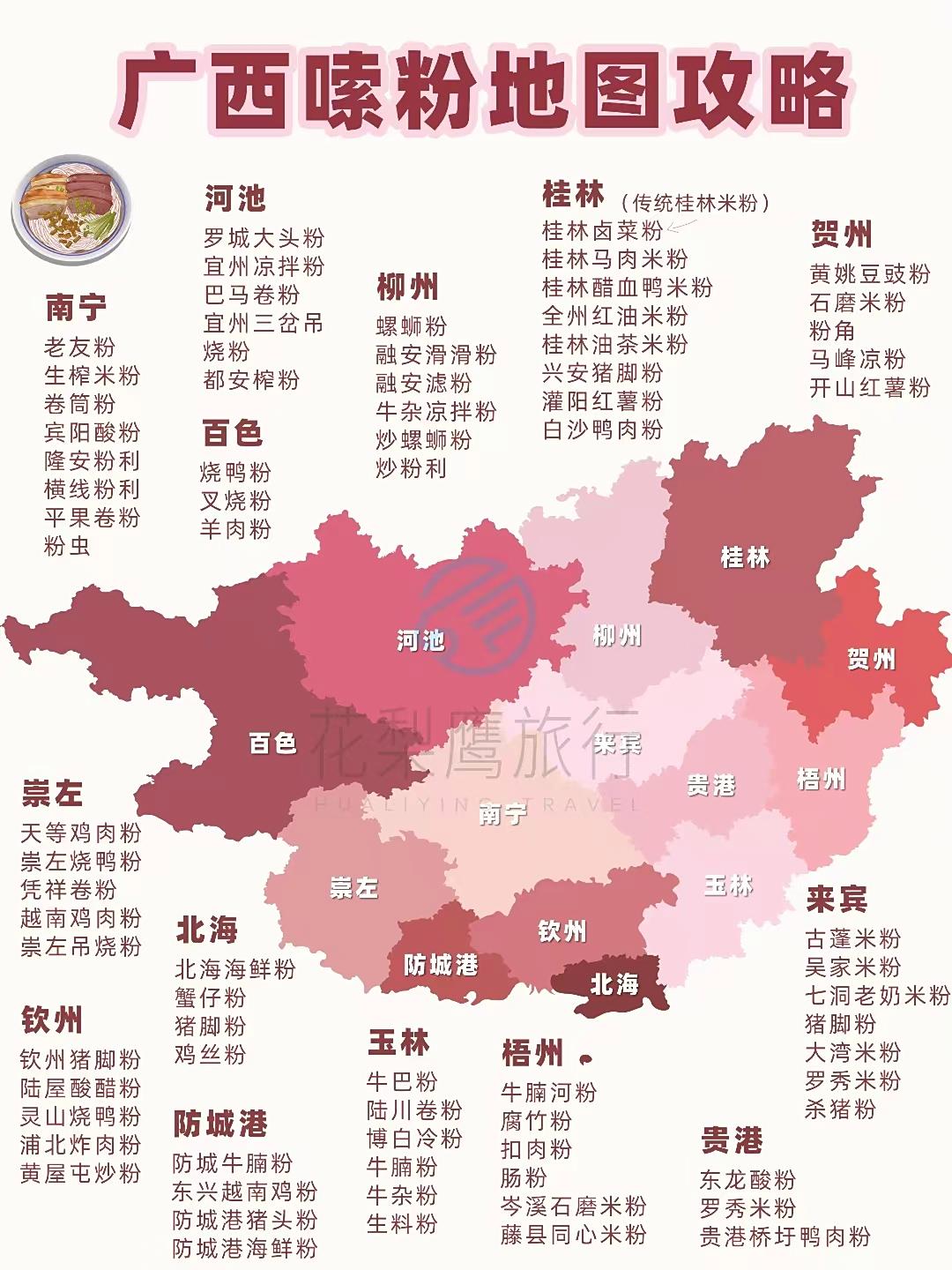
8. Yunnan Food Map
Yunnan has a rich and colorful food culture, represented by Dian cuisine and blending the flavors of Han, Yi, Bai, and other ethnic groups.
Must-try food season: November to April of the following year, when the climate is warm.
Popular food places: Kunming Nanping Street, Sifang Street in Lijiang Old Town.
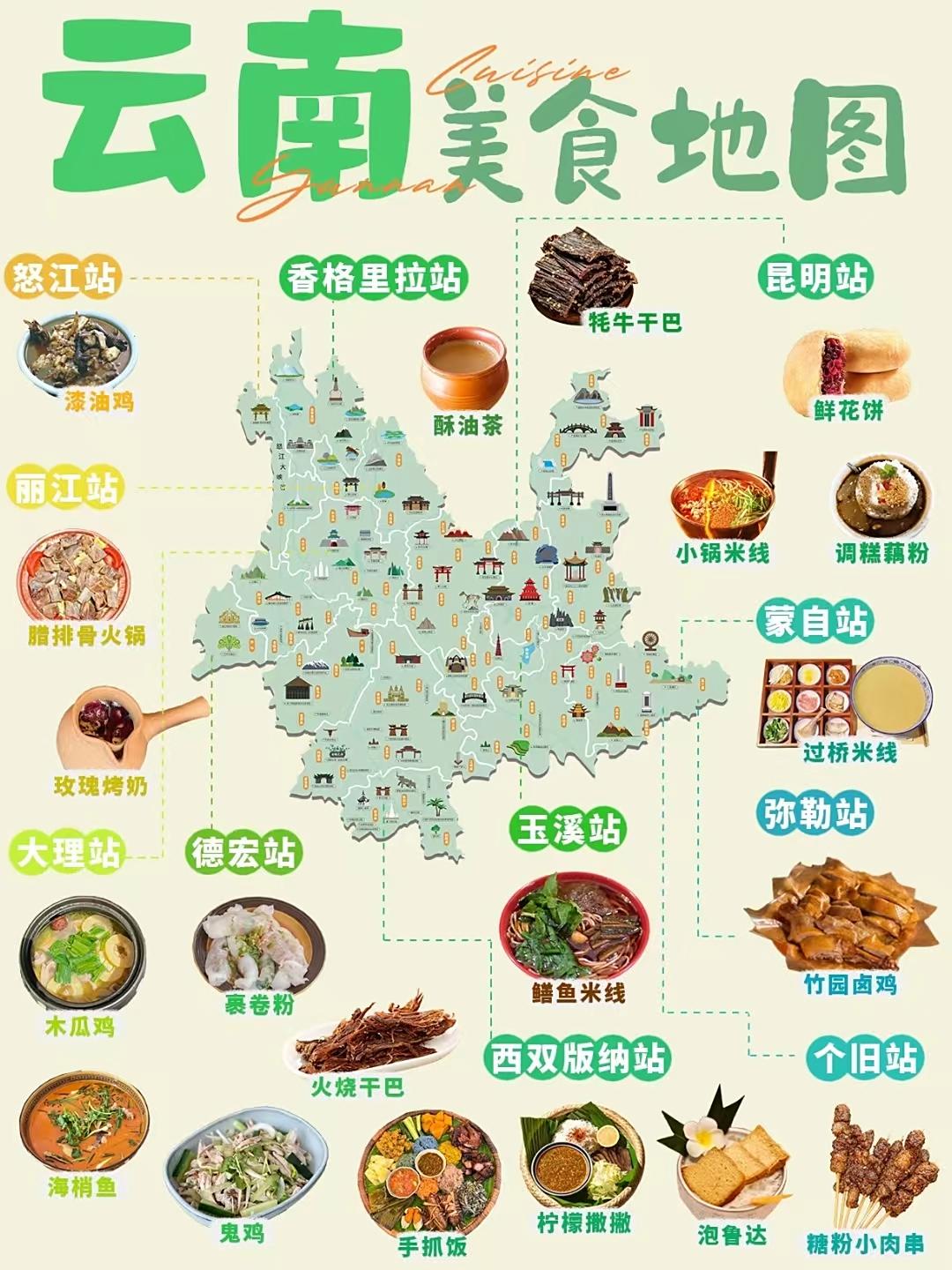
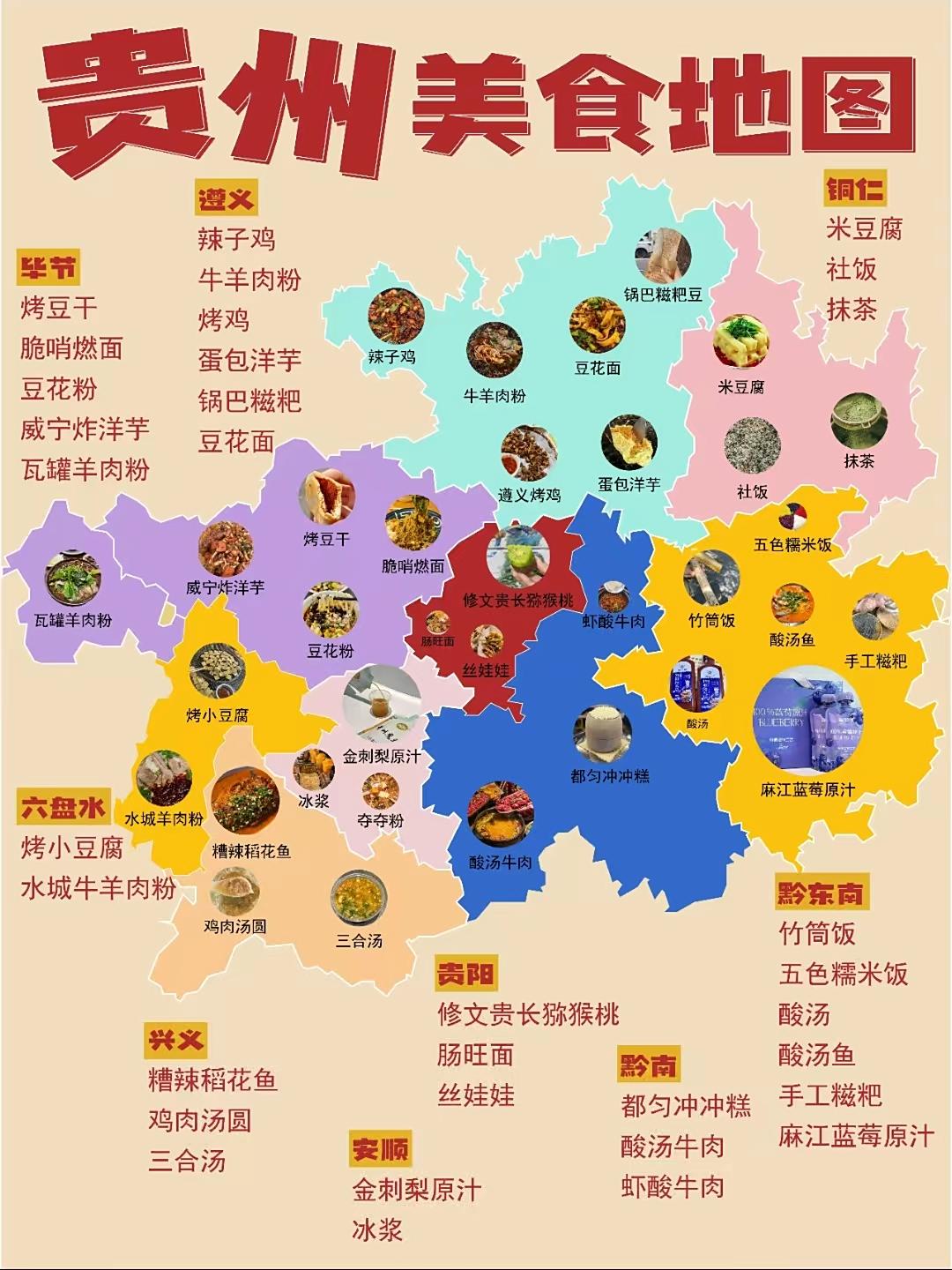
9. Guizhou Food Map
Guizhou is home to many ethnic groups. Its food is known for sour and spicy flavors, blending the tastes of Miao, Dong, Bouyei, and other ethnic groups.
Must-try food season: spring and autumn are best, with tempting food.
Popular food places: Guiyang Erqi Road snack street, Anshun Rulin Road.
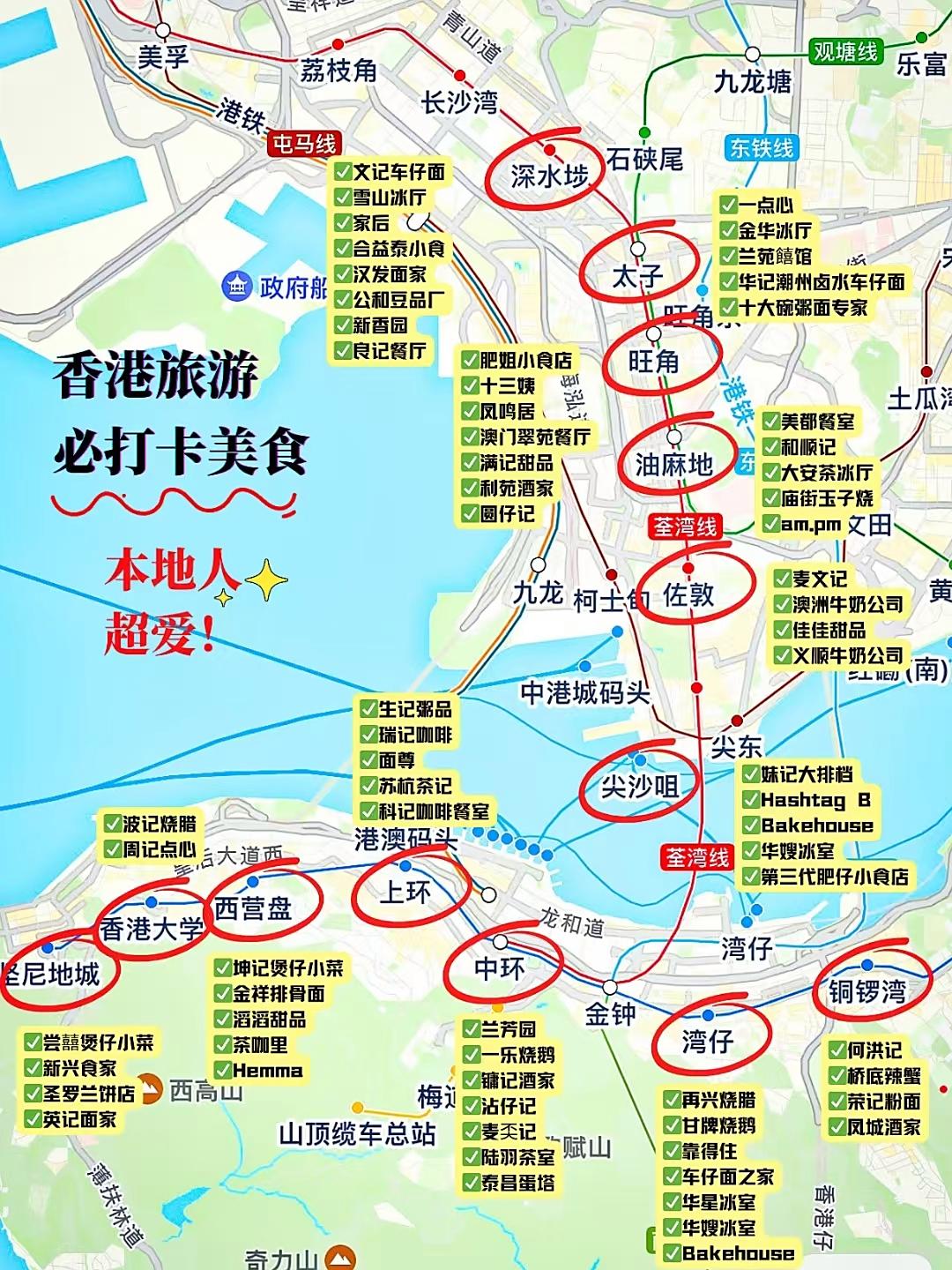
10. Hong Kong Food Map
Hong Kong is a special administrative region. Its food culture combines Chinese and Western flavors, represented by Hong Kong-style cha chaan teng and seafood feasts.
Must-try food season: October to May of the following year, when the climate is cool.
Popular food places: Causeway Bay food street, Mong Kok Ladies' Market.
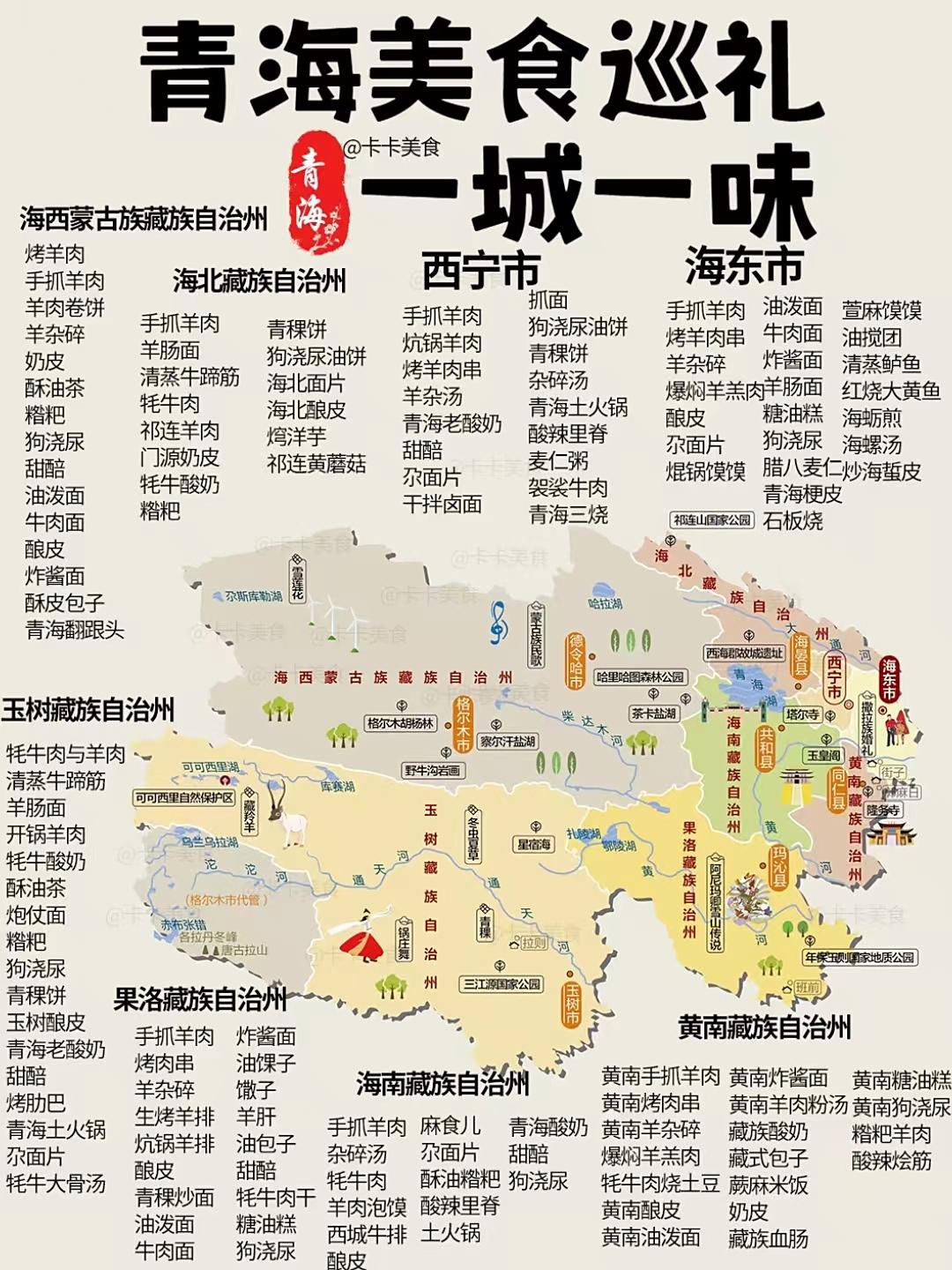
11. Qinghai Food Map
Qinghai is located in inland northwestern China. Its food is mainly halal in style, blending Tibetan, Hui, and other ethnic characteristics.
Must-try food season: summer is best, with abundant food.
Popular food places: Xining Mojia Street, snacks around Kumbum Monastery.
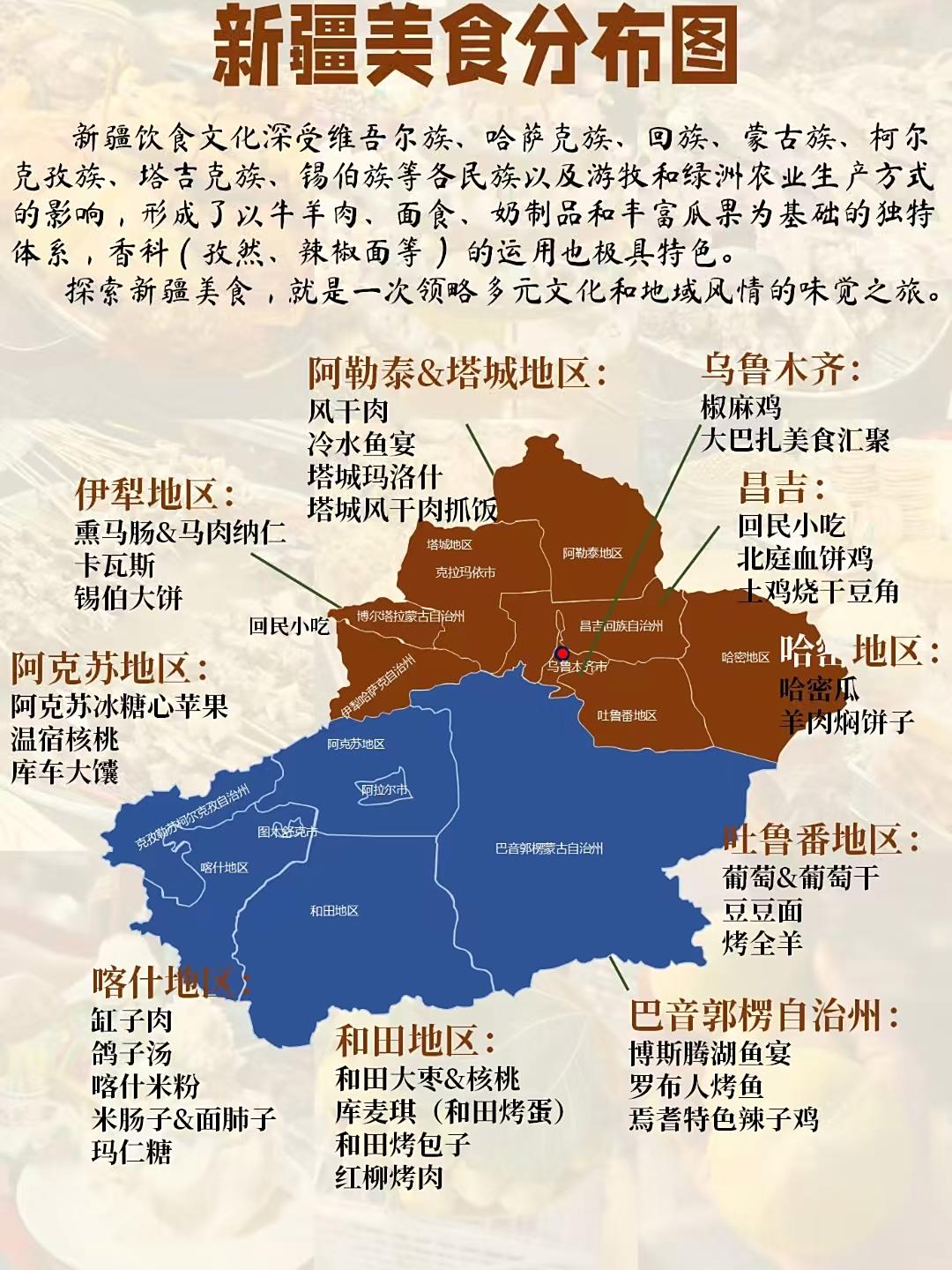
12. Xinjiang Food Map
Xinjiang is located on China's northwestern frontier. Its food is represented by Uyghur flavors and blends Han, Kazakh, and other ethnic characteristics.
Must-try food season: July to October, when melons and fruits are fragrant.
Popular food places: Urumqi International Grand Bazaar, Kashgar Old City.
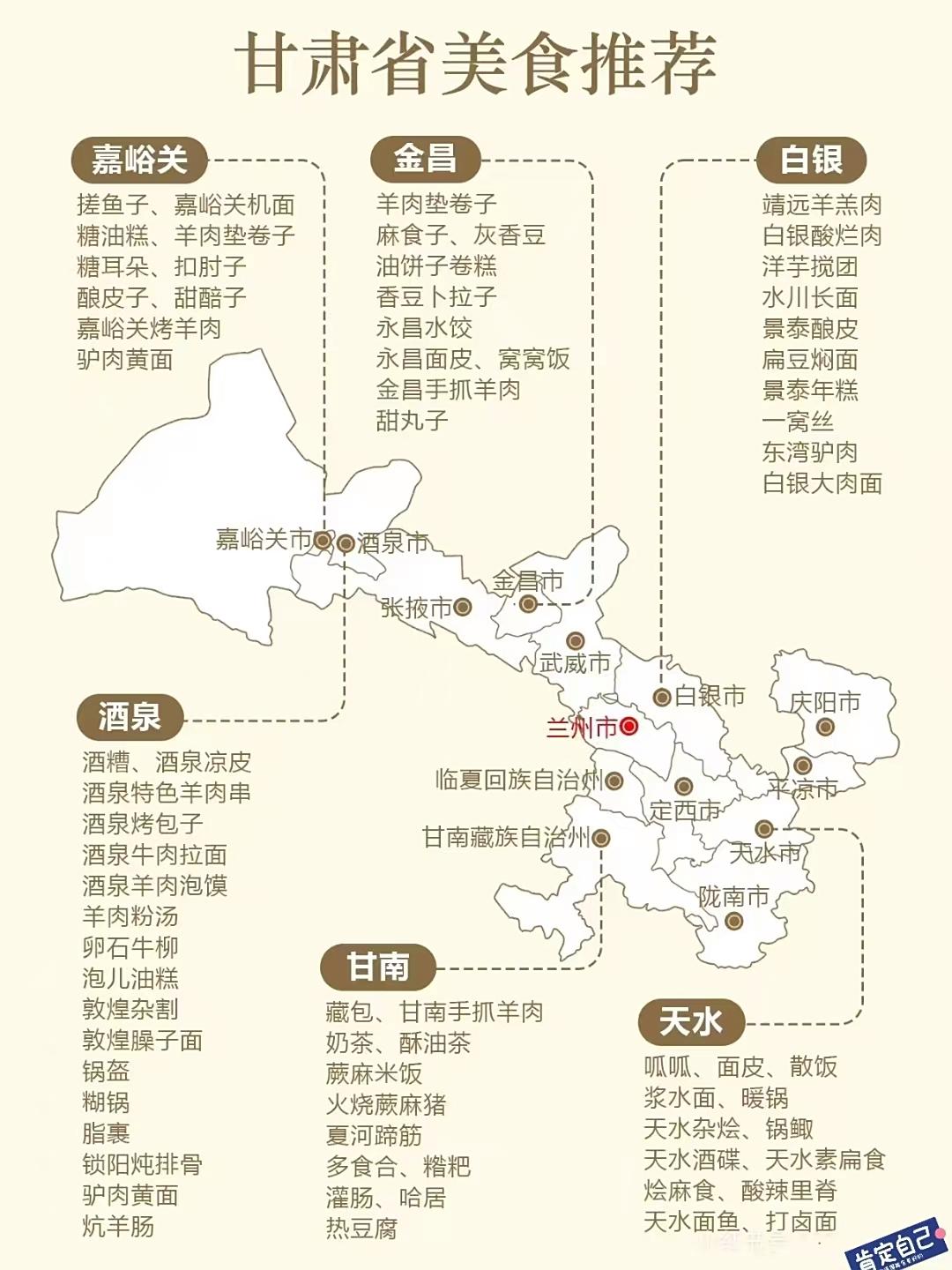
13. Gansu Food Map
Gansu, abbreviated as Gan or Long, has a long food culture, represented by Lanzhou pulled noodles and halal food.
Must-try food season: May to October, when the climate is suitable.
Popular food places: Lanzhou Zhengning Road night market, Zhangye Drum Tower food street.
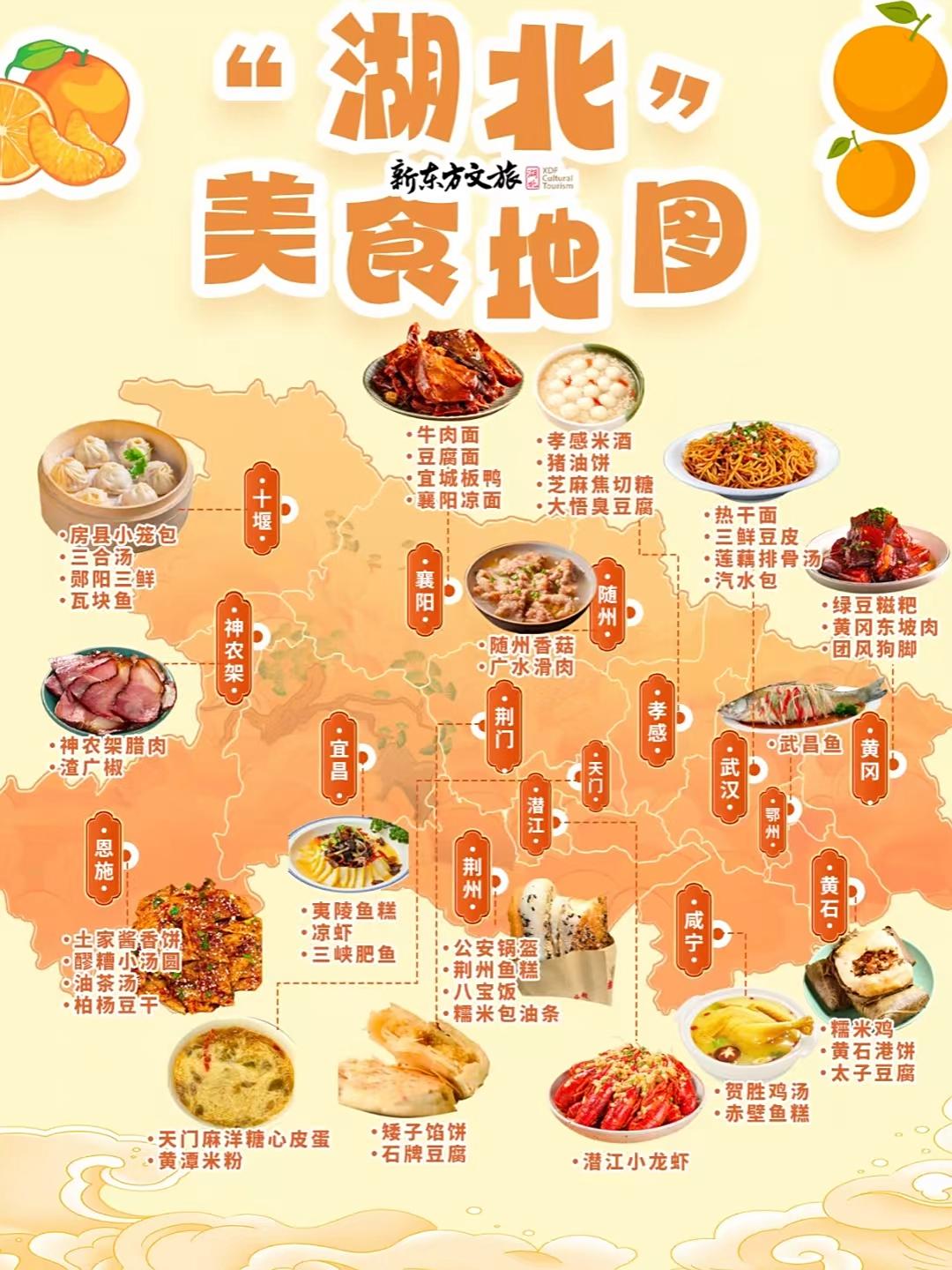
14. Hubei Food Map
Hubei is located in central China, with diverse tastes that blend northern and southern flavors.
Must-try food season: spring and autumn are best, with many foods.
Popular food places: Wuhan Hubu Alley, Yichang Jiefang Road pedestrian street.
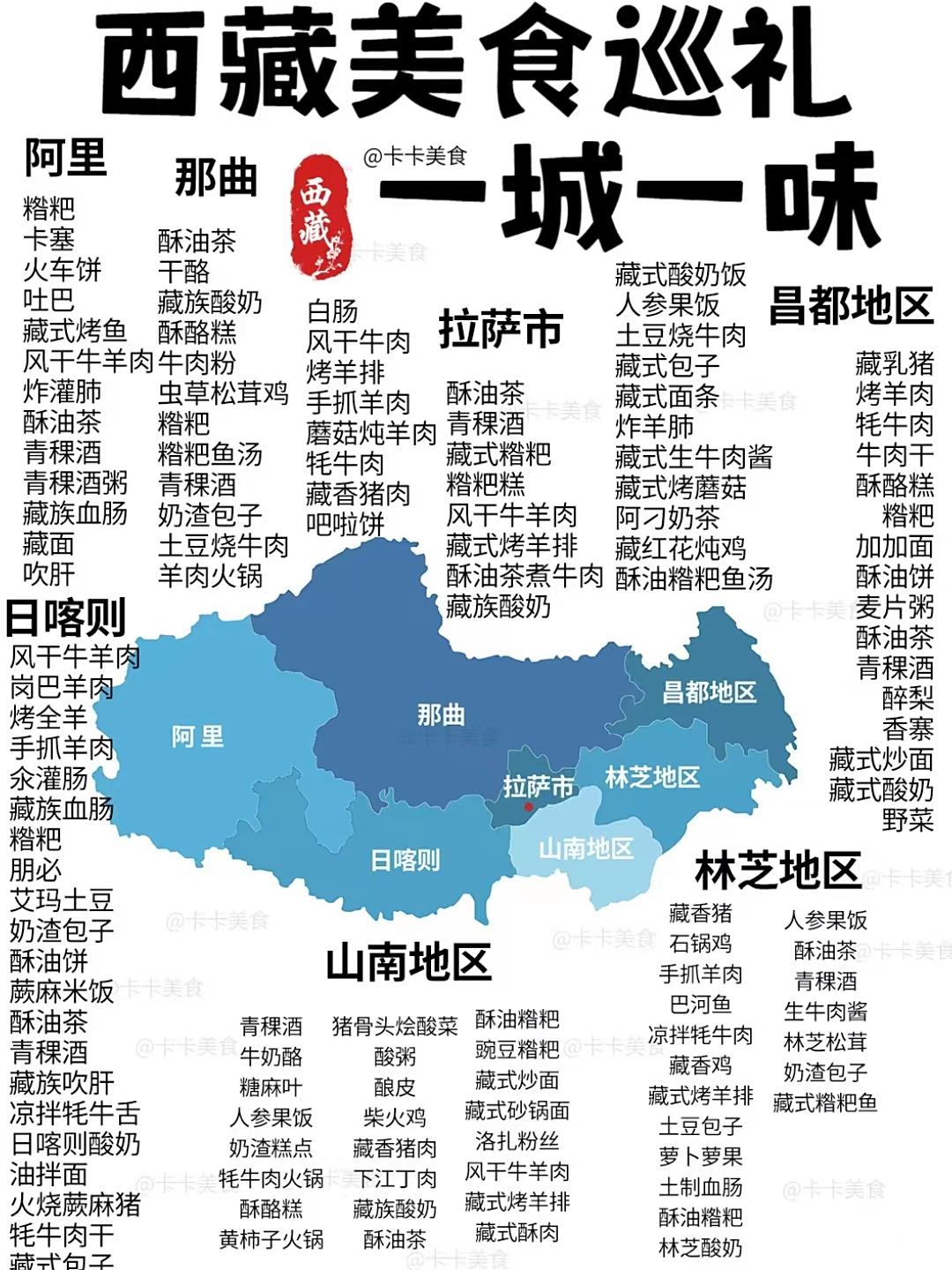
15. Tibet Food Map
Tibet is located on China's southwestern frontier. Its food is represented by Tibetan-style flavors and blends Han, Nepalese, and other multinational characteristics.
Must-try food season: June to September, with a pleasant climate.
Popular food places: Lhasa Barkhor Street, Nyingchi Gongbu folk village.
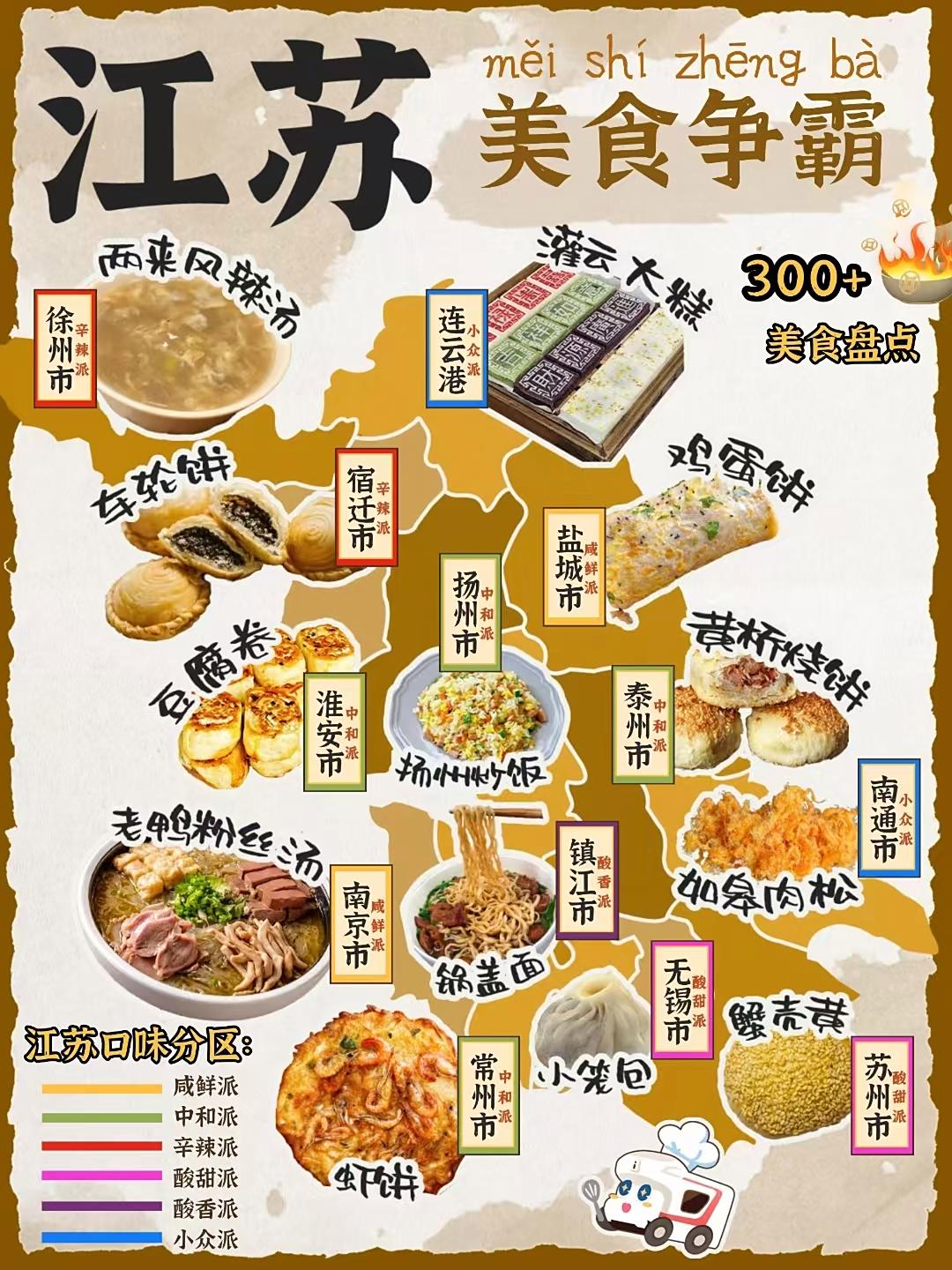
16. Jiangsu Food Map
Jiangsu, abbreviated as Su, has a rich food culture represented by Huaiyang cuisine and Suzhou-style cuisine, with light, fresh, and delicious flavors.
Must-try food season: spring and autumn are best, with abundant ingredients.
Popular food places: Pingjiang Road in Suzhou, Nanjing Confucius Temple food street.
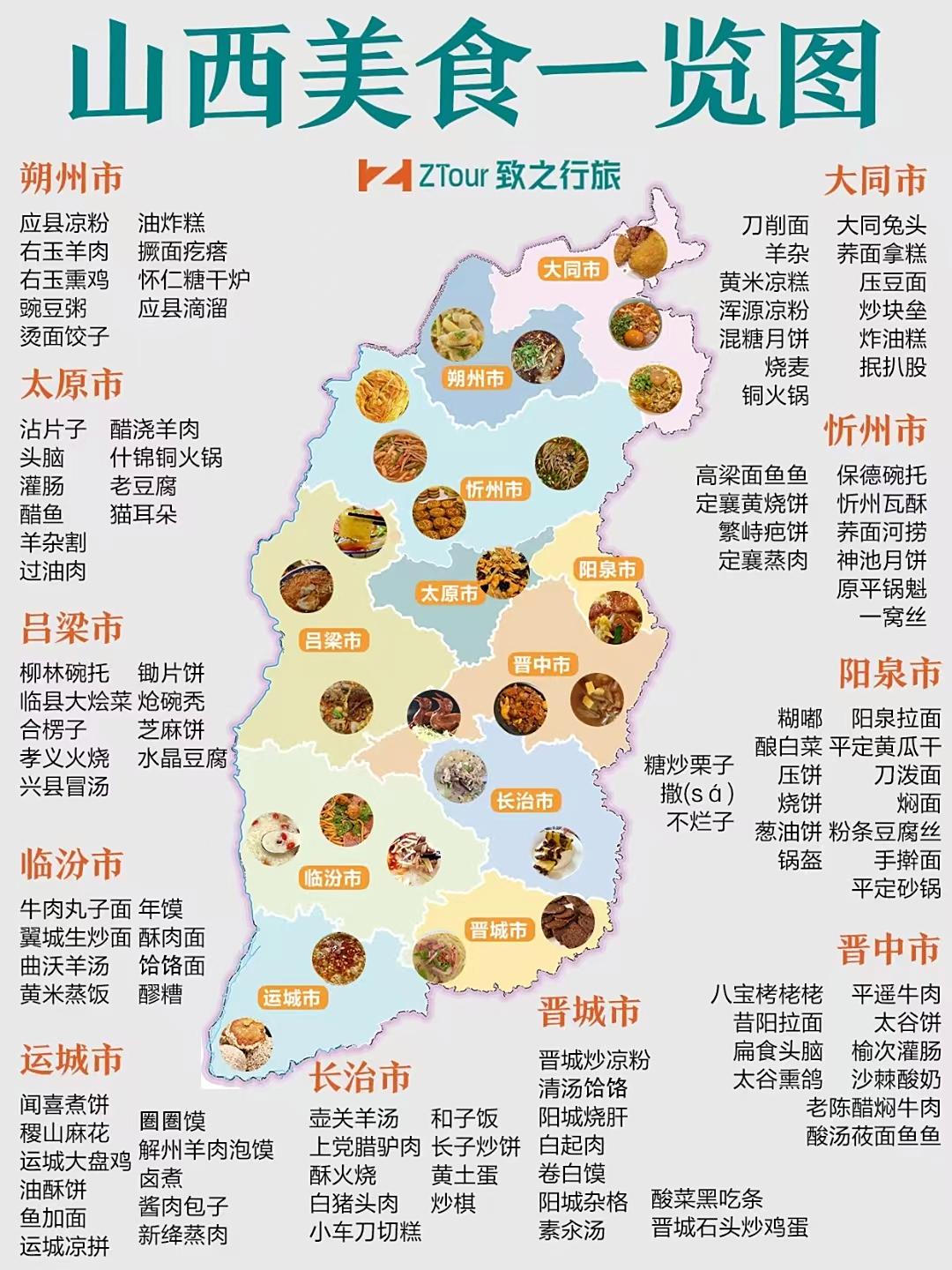
17. Shanxi Food Map
Shanxi, abbreviated as Jin, has food mainly based on noodles, with distinctive flavors that blend Han, Hui, and other ethnic tastes.
Must-try food season: spring and autumn are best, with tempting food.
Popular food places: Taiyuan Food Street, Pingyao Ancient City snack street.
Travel
In this Chinese adventure on the tip of the tongue, we have not only tasted foods from different places, but also felt the deep foundation and diverse charm of Chinese culture. Behind every dish, there is a piece of history, a kind of emotion, and a share of inheritance. I hope this food map can become a beautiful starting point for you to explore China and taste life. Do not forget, there are more provincial foods waiting for us to discover. Please look forward to the wonderful content of the next issue! Remember to save this map, and let the food journey set out at any time!
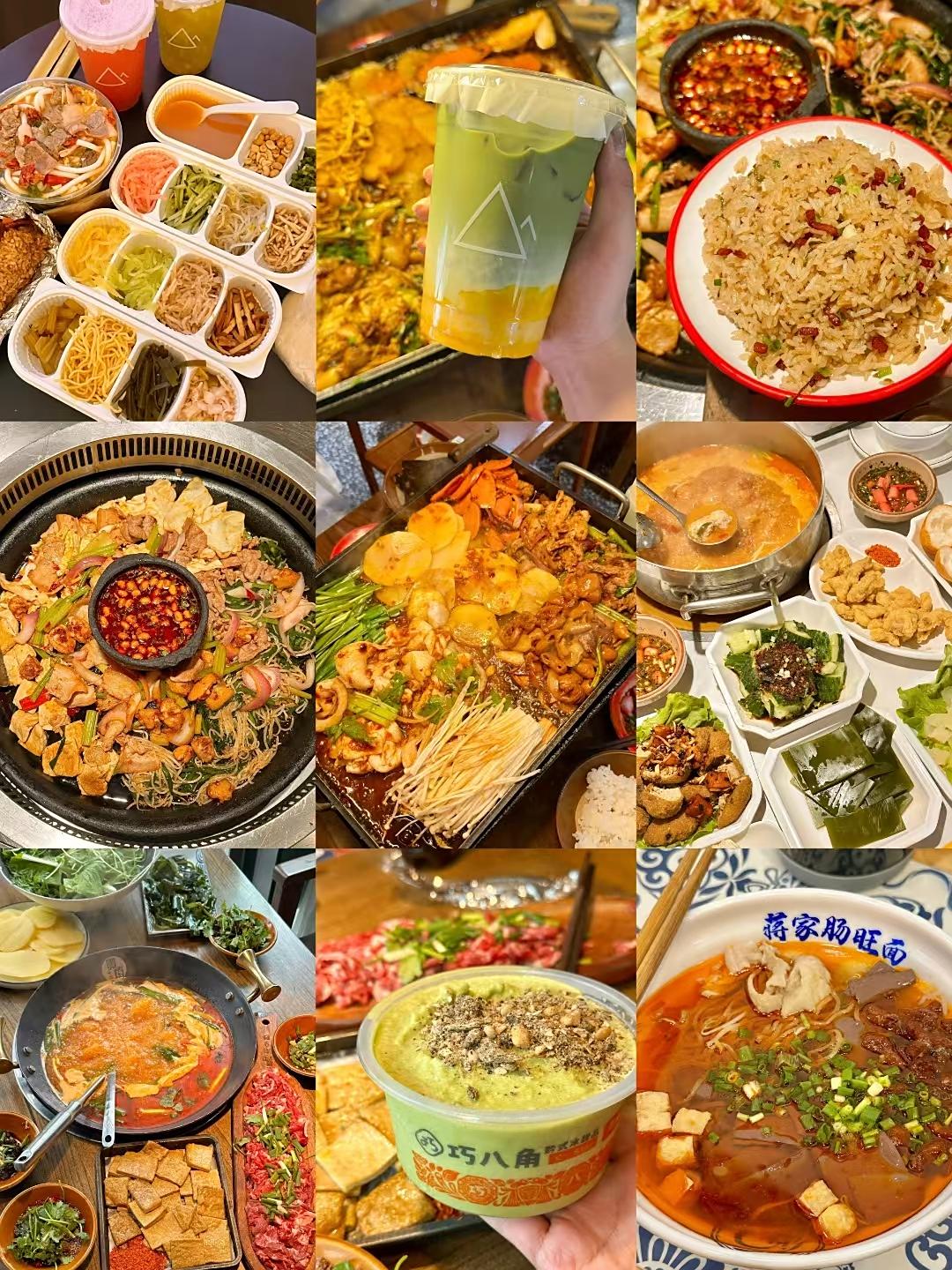
(The pictures come from the internet. Thanks to every traveler who shares food, allowing our taste buds to travel around the world.)
Frequently asked
Common questions
- What is this china food map about?
- It is a translated regional food map that briefly lists food culture, good eating seasons, and popular food areas for 17 provinces, regions, and cities in China.
- Which places are included in this food map?
- The article includes Taiwan, Ningxia, Shaanxi, Anhui, Jiangxi, Hunan, Guangxi, Yunnan, Guizhou, Hong Kong, Qinghai, Xinjiang, Gansu, Hubei, Tibet, Jiangsu, and Shanxi.
- Is this the complete translated article?
- Yes. The main body follows the authorized source article in order and translates each listed text section into English.
- Why are there two Shanxi entries?
- They are two different provinces: Shaanxi is 陕西 and Shanxi is 山西. In Chinese they are pronounced with different tones, but English spelling has no tone marks in common use, so both names look very close when written as shan xi.
Keep reading