Authentic Old Beijing Zhajiangmian: Recreating a Century-Old Recipe at Home
An authorized full translation of a Baijiahao recipe for old Beijing zhajiangmian, with dry-fried sauce, hand-rolled noodles, and crisp vegetable toppings.
Old Beijing zhajiangmian, hutong flavor at home
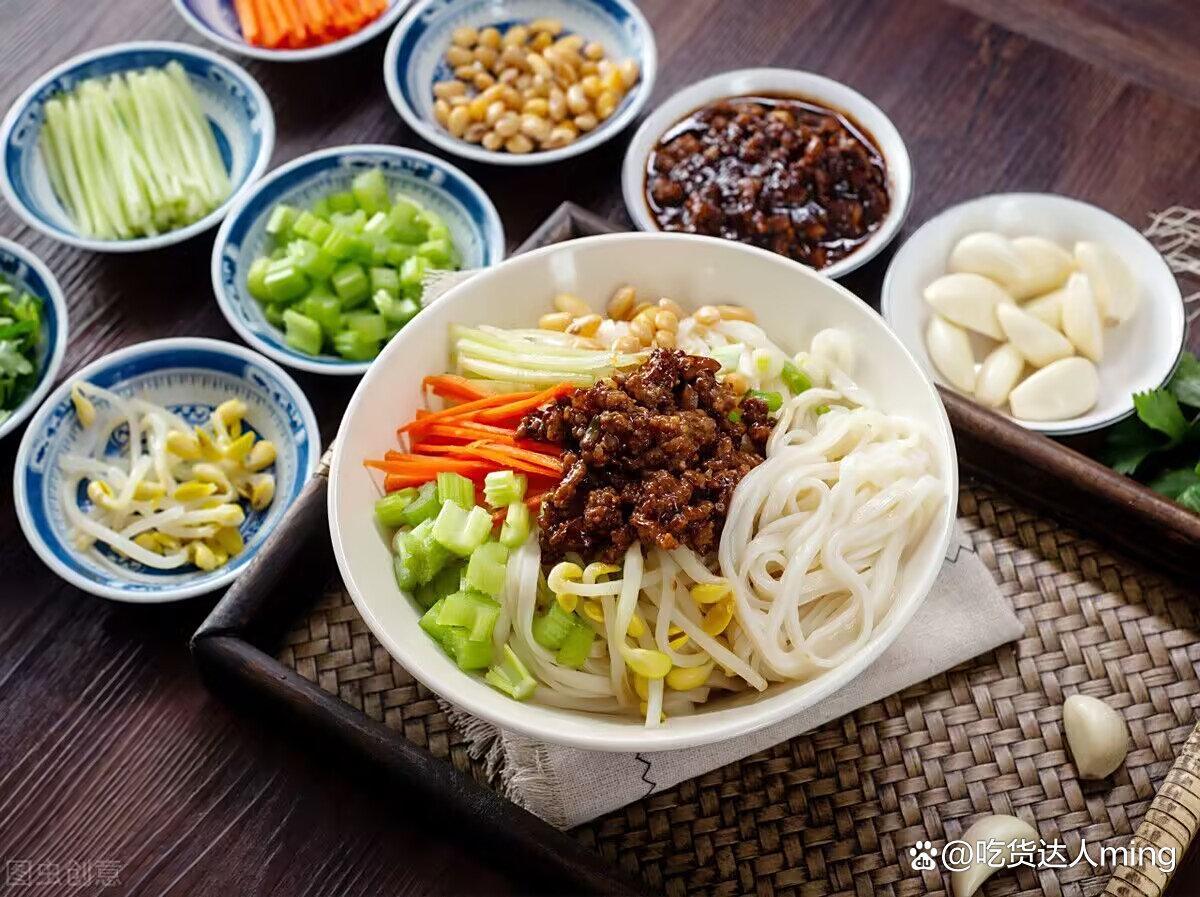
A bowl of authentic old Beijing zhajiangmian pays attention to the sauce fragrance of xiaowan ganzha, or small-bowl dry-fried sauce, the chew of hand-rolled noodles, and the vegetable-topping combination known as qidie bama, or seven plates and eight bowls. Today, I am sharing a classic home-style recipe that recreates the old flavor of the hutongs.
Ingredients for two servings
For the fried sauce: 100 grams Liubiju dry yellow soybean paste, 50 grams sweet wheat paste, 150 grams diced pork belly with a fat-to-lean ratio of 3:7, 20 grams minced scallion white, 5 grams minced ginger, 10 grams cooking wine, 5 grams white sugar, 100 milliliters water, and 30 grams cooking oil.
For the noodles: 200 grams all-purpose flour, 1 gram alkaline water, and 90 milliliters water, or ready-made hand-rolled noodles.
For the vegetable toppings: shredded cucumber, diced celery, soybean sprouts, green peas, and shredded xinlimei radish. Adjust them according to the season.
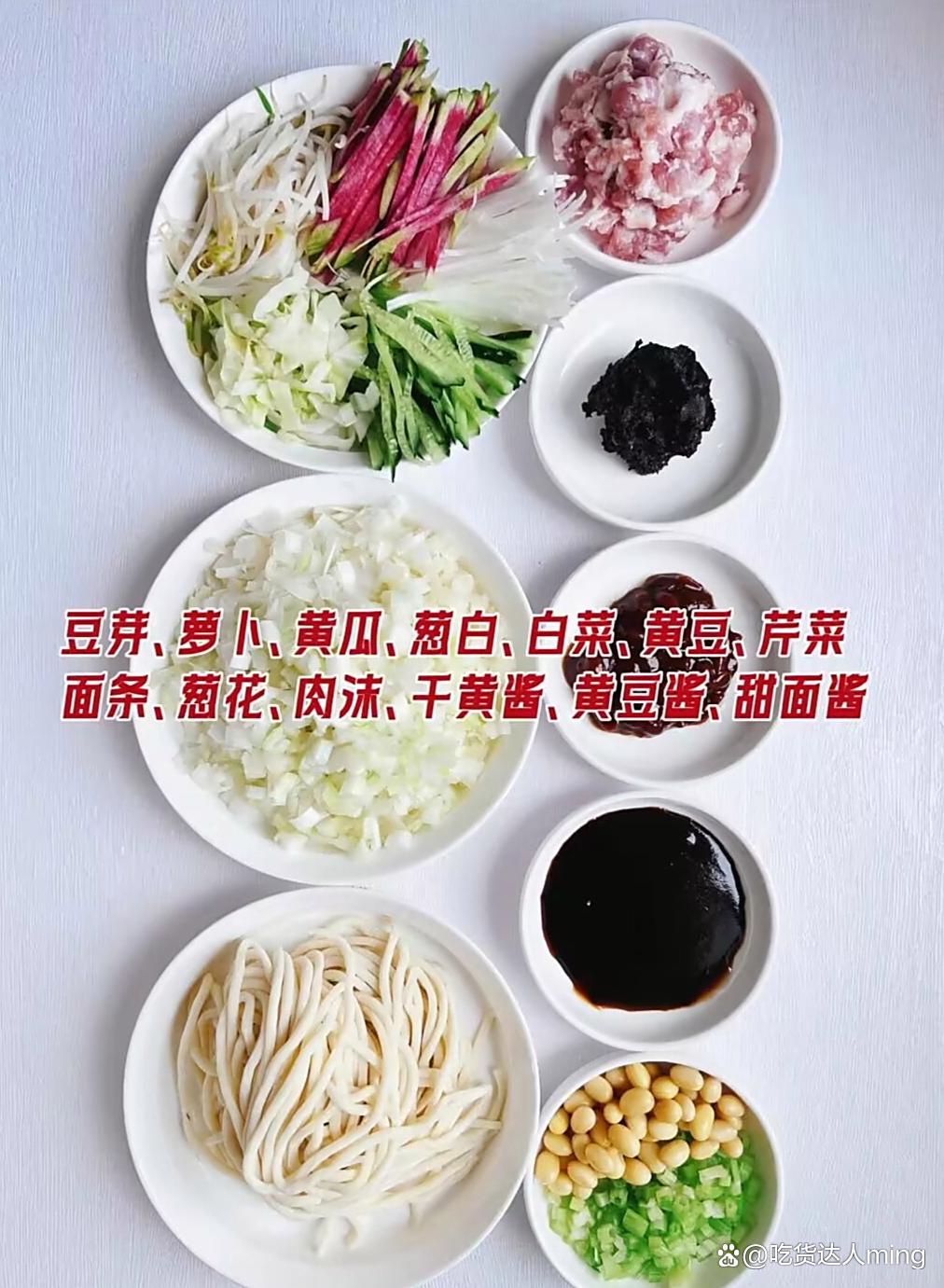
Step 1: make the sauce
Loosen the dry yellow soybean paste with water, then mix it with the sweet wheat paste and set it aside. Heat a wok, add cool oil, and stir-fry the diced pork belly until it turns golden and releases its fat. Add the minced scallion and ginger until fragrant, then pour in the cooking wine to remove any meaty smell. Add the sauce mixture and dry-fry it slowly over low heat for 15 minutes, stirring constantly so it does not burn. Finally, add the white sugar to lift the savory flavor.
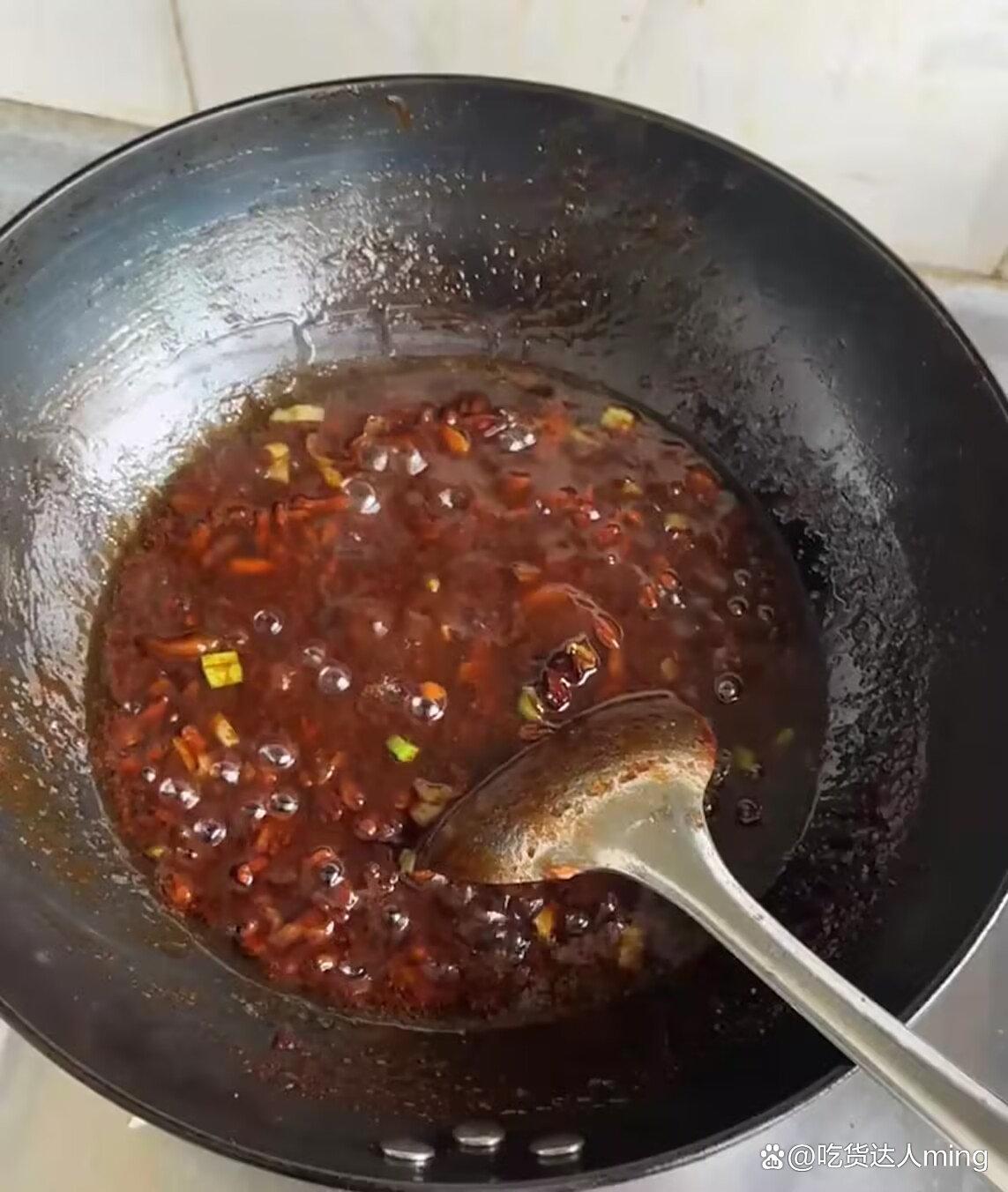
Step 2: knead and cook the noodles
Mix the flour with the alkaline water, knead it into a smooth dough, and let it rest for 30 minutes. Roll it into a thin sheet, cut it into strips, and shake the noodles loose. Boil them in rolling water until they float, which means they are cooked. Rinsing them in cool water makes the texture even chewier.
To assemble, put the noodles at the bottom of the bowl, spoon on two ladles of fried sauce, arrange the vegetable toppings on top, and mix everything evenly. Eat it with two cloves of garlic for the truly local way.
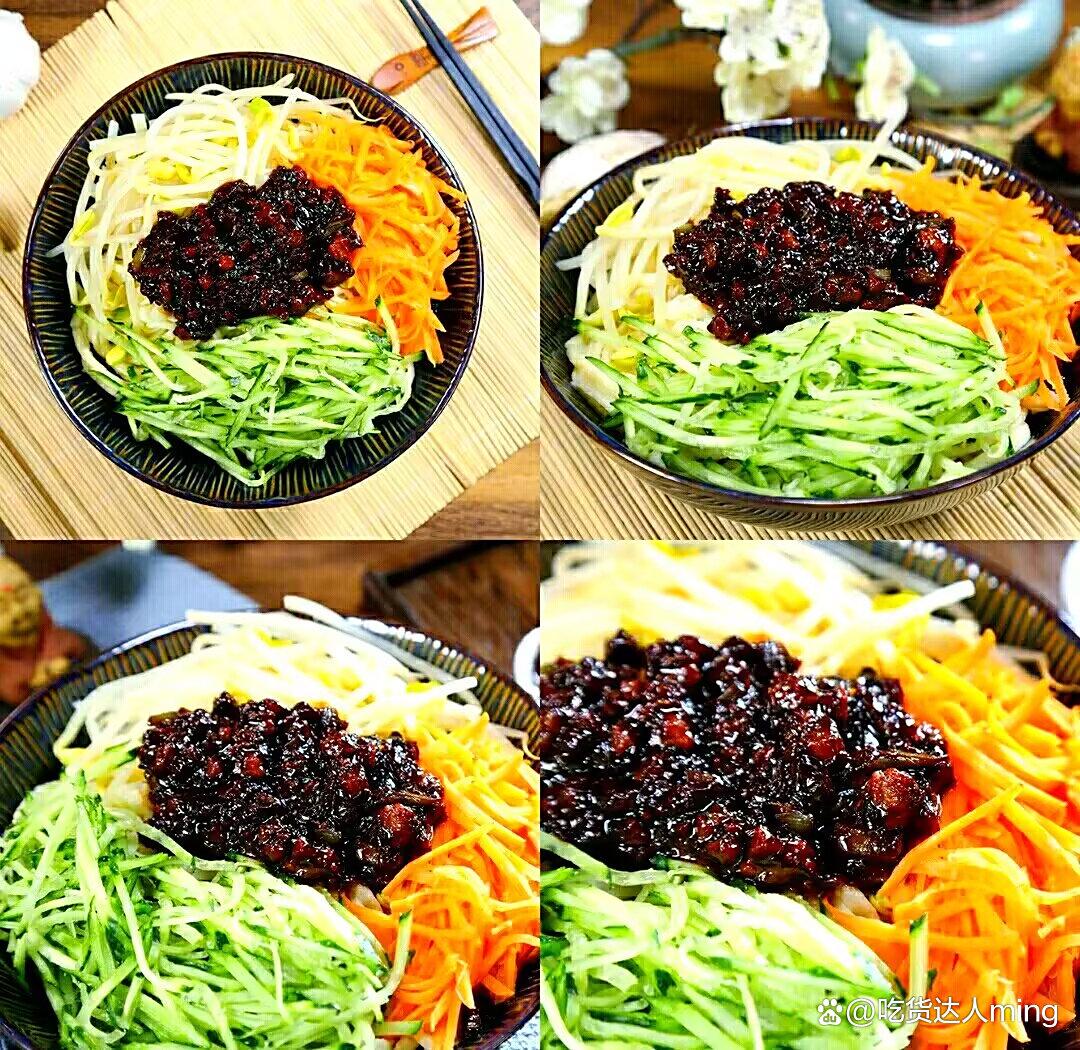
The key details
The key is that the sauce must be thoroughly fried until the oil and sauce separate and the diced pork becomes browned and fragrant. The vegetable toppings should be cut fresh and mixed fresh, so they stay crisp and cut through the richness. Master these three points, and you can taste the lively everyday flavor of an old Beijing restaurant at home.
Frequently asked
Common questions
- What makes old Beijing zhajiangmian taste authentic?
- This recipe points to dry-fried sauce, chewy hand-rolled noodles, and fresh vegetable toppings as the three core details.
- What pastes are used for the sauce?
- The recipe uses Liubiju dry yellow soybean paste mixed with sweet wheat paste, then slowly fries the mixture with diced pork belly, scallion, ginger, cooking wine, and sugar.
- Why rinse the noodles in cool water?
- The article says cooling the noodles after boiling makes them chewier, which suits the texture expected in old Beijing zhajiangmian.
Keep reading