Beijing Roast Duck
An authorized full translation of a Chinese article on Beijing roast duck: its history, duck selection, ovens, ways of eating, famous restaurants, Beijing people's attachment to it, and its renewal today.
Beijing's top food signboard
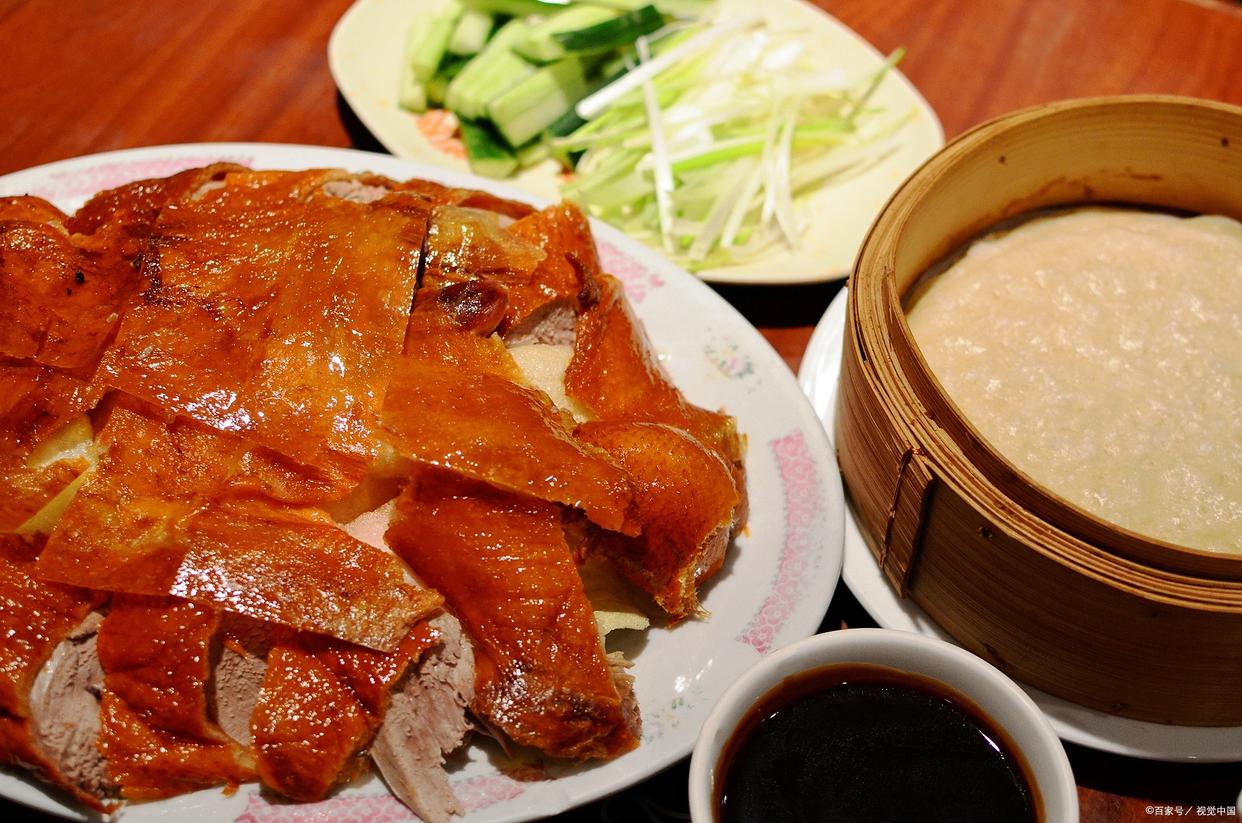
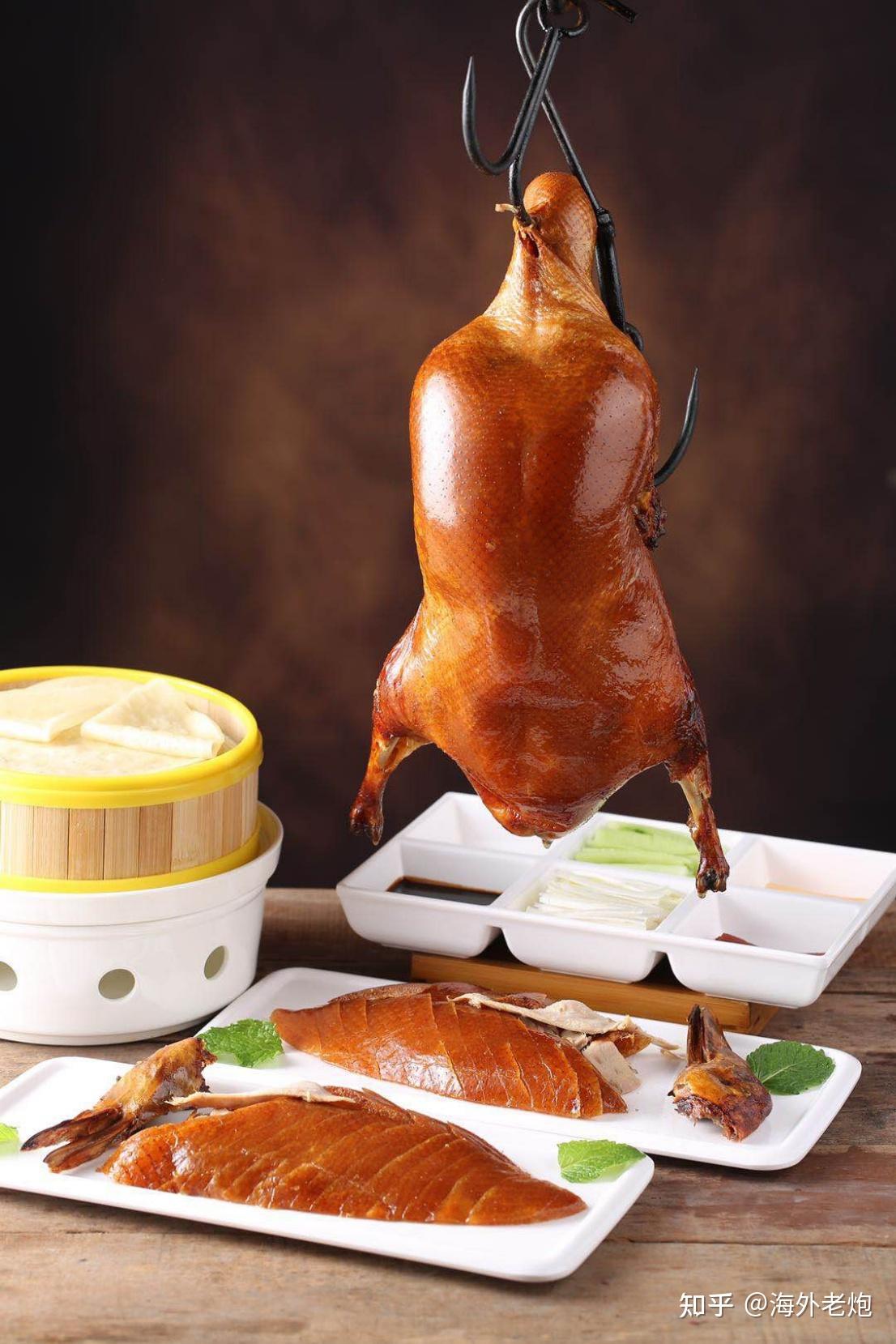
If we are talking about the leading food signboard of old Beijing, it has to be Beijing roast duck. This dish is the golden sign that holds up Beijing food, the trump card among Beijing delicacies. The jujube-red duck skin shines with an amber gloss. As the duck-carving master brings the knife down, the thin, crisp skin crackles, revealing the snow-white, tender duck meat inside. The proper way to eat it is with Liubiju sweet bean sauce, a pinch of fresh scallion white cut into fine threads, and two crisp cucumber strips, all rolled into a lotus-leaf pancake so thin it lets light through. Ah! This century-old court flavor rolls the very smoke and fire of Beijing life into one bite.
The roast-duck craft handed down by the ancestors has now become a living signboard of Beijing. Whether it is an old Beijinger walking a bird in the hutongs, a visitor arriving by plane, or even foreign political leaders visiting China, this 'number-one Chinese bite' is always a centerpiece at the banquet. You could say what is wrapped inside roast duck is not only deliciousness, but also the warm-hearted Beijing feeling of 'how happy we are to have friends come from afar.'
'You are no true hero until you reach the Great Wall; you will regret it if you do not eat roast duck.' That saying is not empty talk. Climbing the Great Wall, eating roast duck, and listening to Peking opera are the three things to do in the capital, and roast duck is the one that leaves the longest aftertaste. If you come to Beijing and never taste proper roast duck, then you really have made the trip for nothing. So roast duck is not only a dish. It is a piece of Beijing hospitality, a 'Beijing No. 1' that can make friends from all over the world raise their thumbs.
The past and present life of roast duck
To talk about where roast duck came from, it was not something that existed the moment Beijing was founded. Its roots have to be dug back much earlier. In the Northern and Southern Dynasties there were already records of it. At that time it was called zhi ya, roasted duck, and it was a rare delicacy in the imperial palace. Ordinary people had no such good fortune.
By the Yuan dynasty, the Mongols brought the craft of closed-oven roast duck. This technique emphasizes slow roasting over gentle heat, making the duck especially crisp-tender. In the Ming dynasty, when the old emperor Zhu Di moved the capital to Beijing, he also brought along Nanjing's closed-oven roast-duck craft. Roast duck gradually moved from the palace to the common world and put down roots in old Beijing.
If we are talking about when roast duck truly made its name, we still have to look to the Qing dynasty. The Qianlong Emperor loved roast duck dearly. The masters in the imperial kitchen kept thinking up new ways to prepare it, and they turned the dish into the headliner of court banquets. From then on, roast duck sat firmly on the throne of 'Beijing flavor's number-one bite,' a position that has not been shaken to this day.
How Beijing roast duck chooses its duck
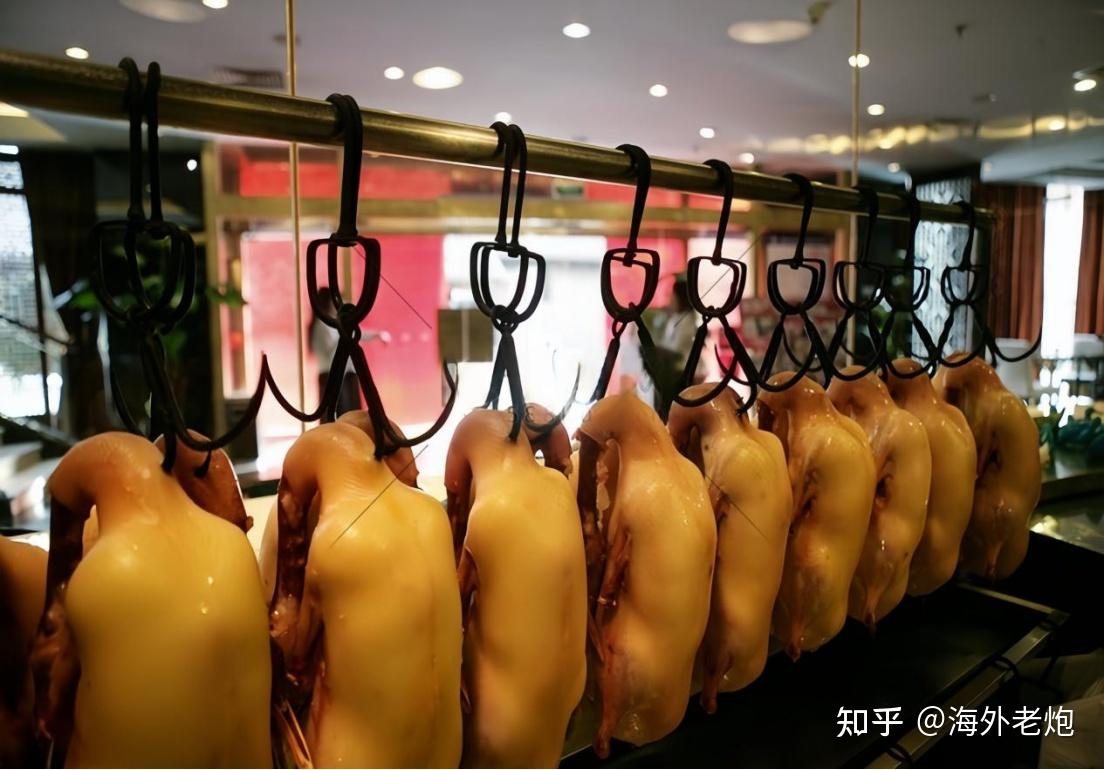
The rules for choosing the duck are hard skills passed down generation after generation by the old brands. Proper Beijing roast duck pays attention to 'three parts fat, seven parts lean,' and it must use Beijing stuffed duck raised with Yuquan Mountain water. Beijing stuffed duck is the raw material for making authentic Beijing roast duck. It usually needs about forty days of feeding, with artificial force-feeding during the final fifteen to twenty days to increase the subcutaneous fat, make the meat richer, and give the bird a round, full body with skin and flesh clearly separated. Look at that duck breast: the fat can be as thick as a finger. Only a duck like that can roast into that tempting layer of jujube-red glaze.
The old masters all know the doorways: the duck must be slaughtered and roasted fresh, and from slaughter to oven it cannot exceed six hours. If frozen goods are used, the duck that comes out is like a deflated ball: the skin is not crisp, the meat is not lively, and even the oily aroma carries a refrigerator smell. In old-brand restaurants they all pay attention to the 'three no principles': no live duck, no use; no fresh slaughter, no roasting; not from the current oven, no sale. It is this kind of fastidiousness that preserves the dignity of a hundred-year shop.
Craft in the fire: the universe of closed-oven and hung-oven roast duck
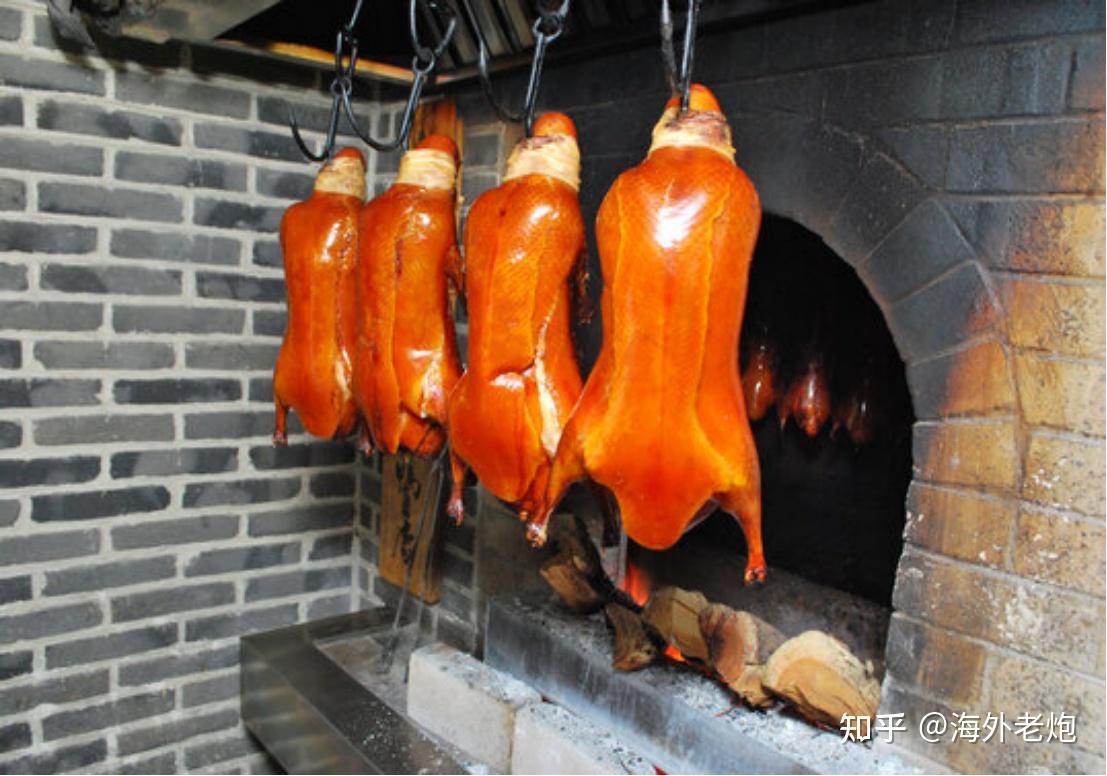
The cooking of roast duck is a fine craft, mainly divided into two great schools: closed oven and hung oven. Closed-oven roast duck values gentle heat and slow work. A closed brick oven is heated to the proper temperature, then the flame is extinguished; the duck is slowly cooked by the heat stored in the oven walls alone. With this method, the duck heats evenly, the skin crisps without burning, the meat stays tender without turning dry, and the fat renders out completely, so it eats cleanly and without greasiness.
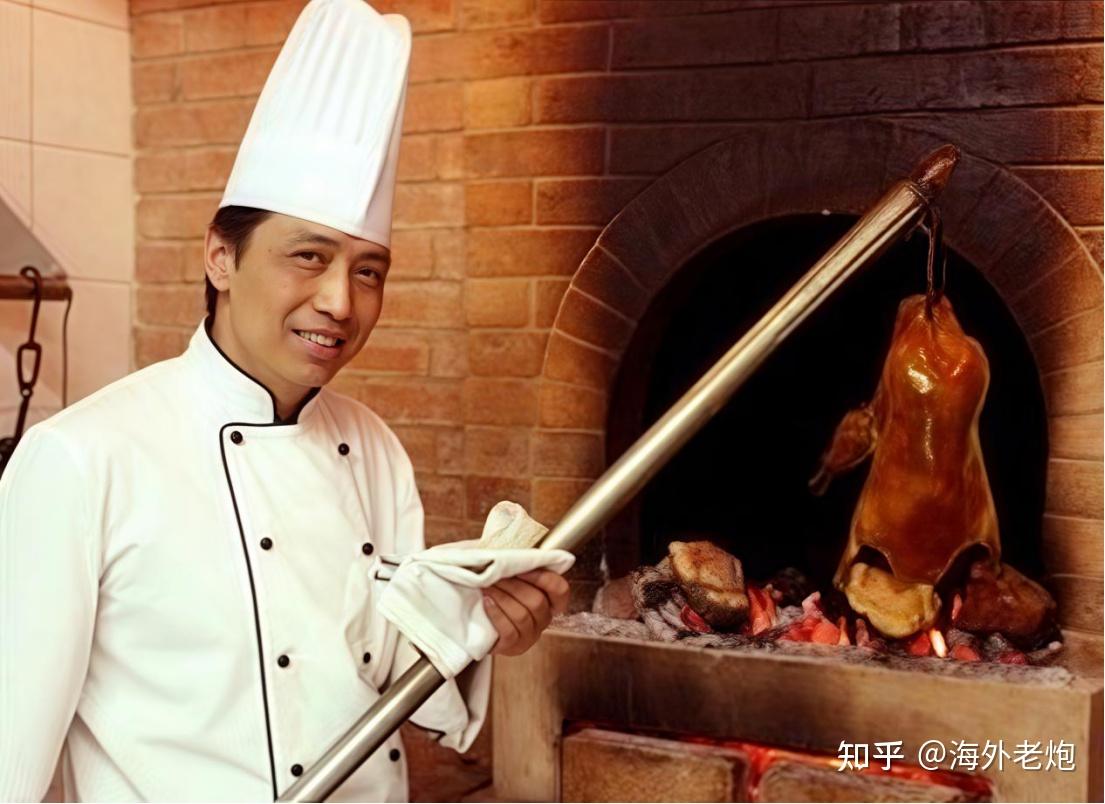
Hung-oven roast duck follows the road of fierce fire and fast attack. Above bright fruitwood charcoal flames, the fat ducks hang high, and the master must constantly adjust the angle of each duck. The fruit fragrance of jujube wood, pear wood, and apple wood seeps into the duck meat with the heat. The duck skin roasts golden and glossy; bite down and it crackles, filling the mouth with crisp fragrance.
The handling of the duck blank shows skill everywhere: blowing air to separate skin from meat, scalding the skin to tighten the pores, brushing on sugar to color the surface. If any step misses its heat, that authentic amber color will not appear. The greatest test is still the control of the fire. The old masters narrow their eyes to look at the color of the flame and turn an ear to the sound of fat dripping down, and then they know when to turn the duck and when to take it out. As the saying goes, 'three parts ingredient, seven parts fire.' The mystery of roast duck lies entirely in this perfectly tempered command of the oven fire.
How roast duck is eaten
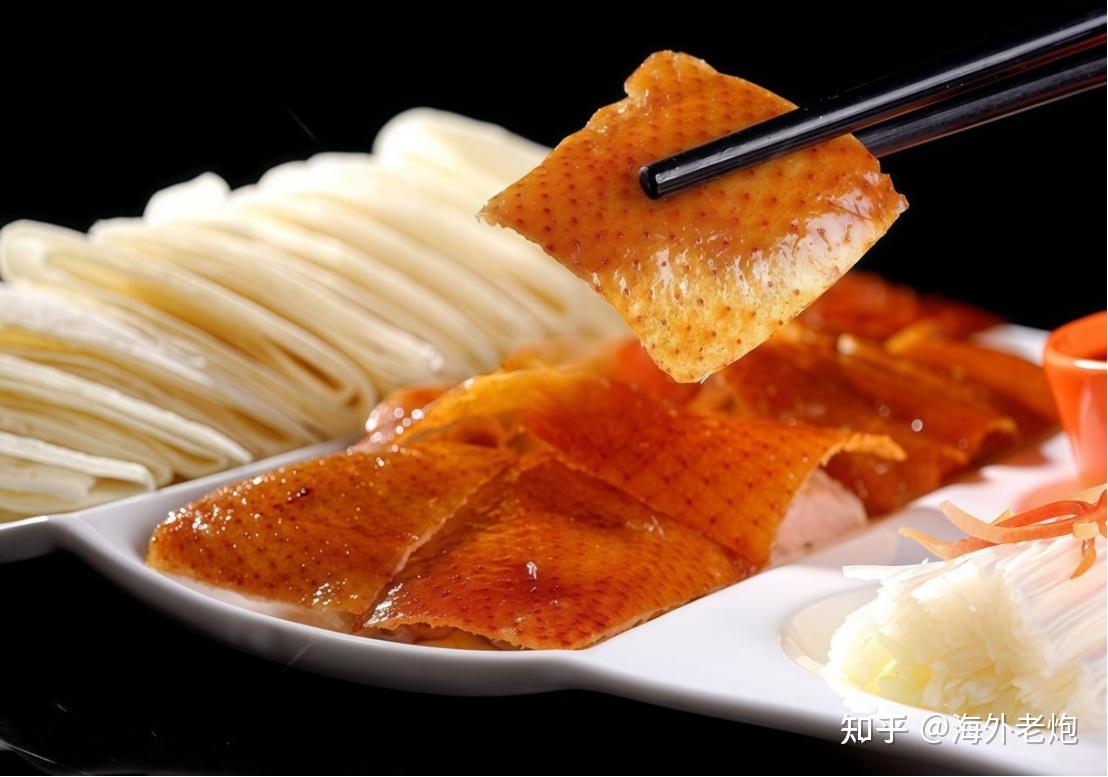
The traditional 'one duck, three ways' is the craft of Beijing roast duck presented at the table. It uses three eating methods to perform a triple movement of flavor from one duck, showing the layers of duck flavor while also matching the tasting aesthetics of a Chinese banquet.
First way: crisp skin dipped in sugar, fat fragrance filling the mouth. Take the golden, crisp skin from the duck breast and lightly dip it in fine white sugar. The crystal grains of sugar and the glossy oil of the duck skin set each other off. The instant it enters the mouth, fat fragrance wraps around sweetness and melts on the tip of the tongue. Salty and sweet mingle, and the aftertaste lingers.
Second way: pancake rolls wrapped fresh, rich and full. The freshly steamed lotus-leaf pancake is flexible and translucent. Wrap it around duck meat sliced extremely thin, then add mellow sweet bean sauce, crisp tender scallion shreds, and refreshing cucumber strips. Bite down, and the wheat aroma of the pancake, the tenderness of the duck, the richness of the sauce, and the crispness of the vegetables advance layer by layer. The mouthfeel is abundant.
Third way: the duck frame in two forms, using every bit of flavor. The duck frame fried with salt and pepper is crisp, fragrant, and tempting, a fine companion for wine; or it can be simmered over a long fire into a milky-white duck-frame soup, fresh, rich, and warming to the stomach. At this point the flavor of one duck is complete.
From crisp to tender, from rich to elegant, 'one duck, three ways' is not only a feast for the palate. It also contains the wise essence of Chinese cooking: making full use of everything.
The roast-duck world of the capital: from hundred-year shops to new-style famous restaurants
The roast-duck world inside old Beijing is truly lively. First among them is Quanjude. The ancestor of hung-oven roast duck put up its signboard on Qianmen Street in the third year of Tongzhi, 1864, and the aroma of jujube wood has drifted for a full century and a half. The flowing knife work of the old master when he slices the duck, paired with the old rule that 'no banquet is complete without duck,' still has the presence of a state banquet.
Turn into Xianyukou and you meet the living fossil of closed-oven roast duck: Bianyifang. This old brand, founded in the Yongle years of the Ming dynasty, guards a closed-oven secret craft passed down for six hundred years. Its roasting method, 'without visible flame,' manages to stew the duck meat into a tenderness and juiciness found nowhere else. Old customers recognize exactly this taste of intangible cultural heritage.
Today this roast-duck world has added new schools. Da Dong plays with a fusion of Chinese and Western cooking. Its original 'crispy but not greasy' roast duck, paired with mood-rich plating, has given a traditional dish an artistic air. Siji Minfu, with approachable prices and the view from its Donghuamen branch by the Forbidden City, has become a check-in spot for young people.
In the roast-duck world today, old brands and new brands each show their powers, and the flavor of roast duck has become ever richer and more colorful.
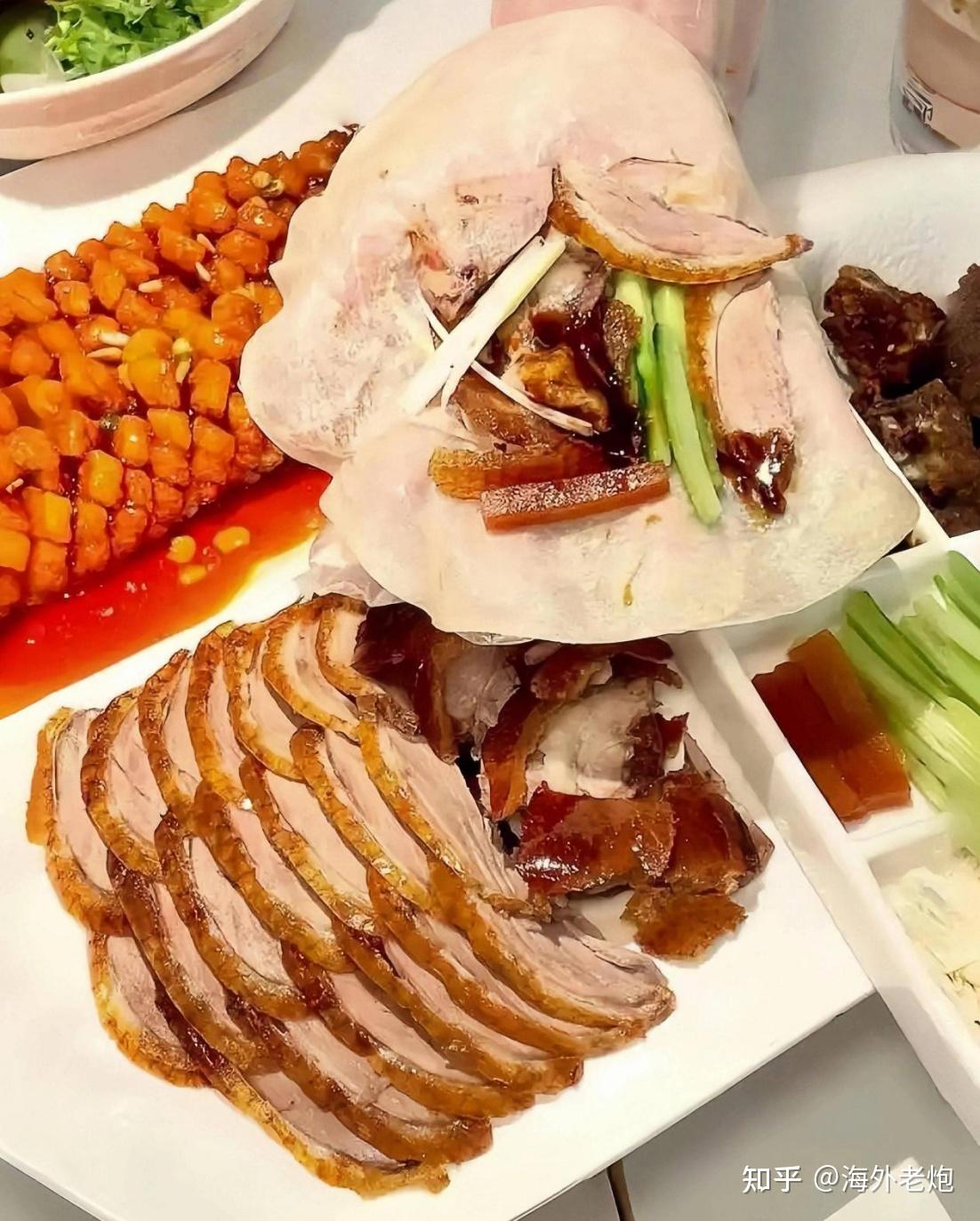
Beijing people's roast-duck attachment: fastidiousness and liveliness on the tongue
Roast duck has long since become a taste memory carved into the bones of Beijing people.
First, the flavor itself carries a sense of being truly local. When a just-roasted duck is set on the chopping board, there is a crisp sizzle. The amber duck skin glows with oil, and that meat aroma mixed with fruitwood fragrance drills straight into the nose, making anyone unable to move away. But this food is not only about enjoyment of flavor; it is also an attitude toward life. Look at the clean, quick movement of the master's wrist as he slices the duck. Every slice carries the golden ratio of skin to meat. This pursuit of precision matches Beijing people's temperament: better one bite of a fresh peach than a basket of rotten apricots.
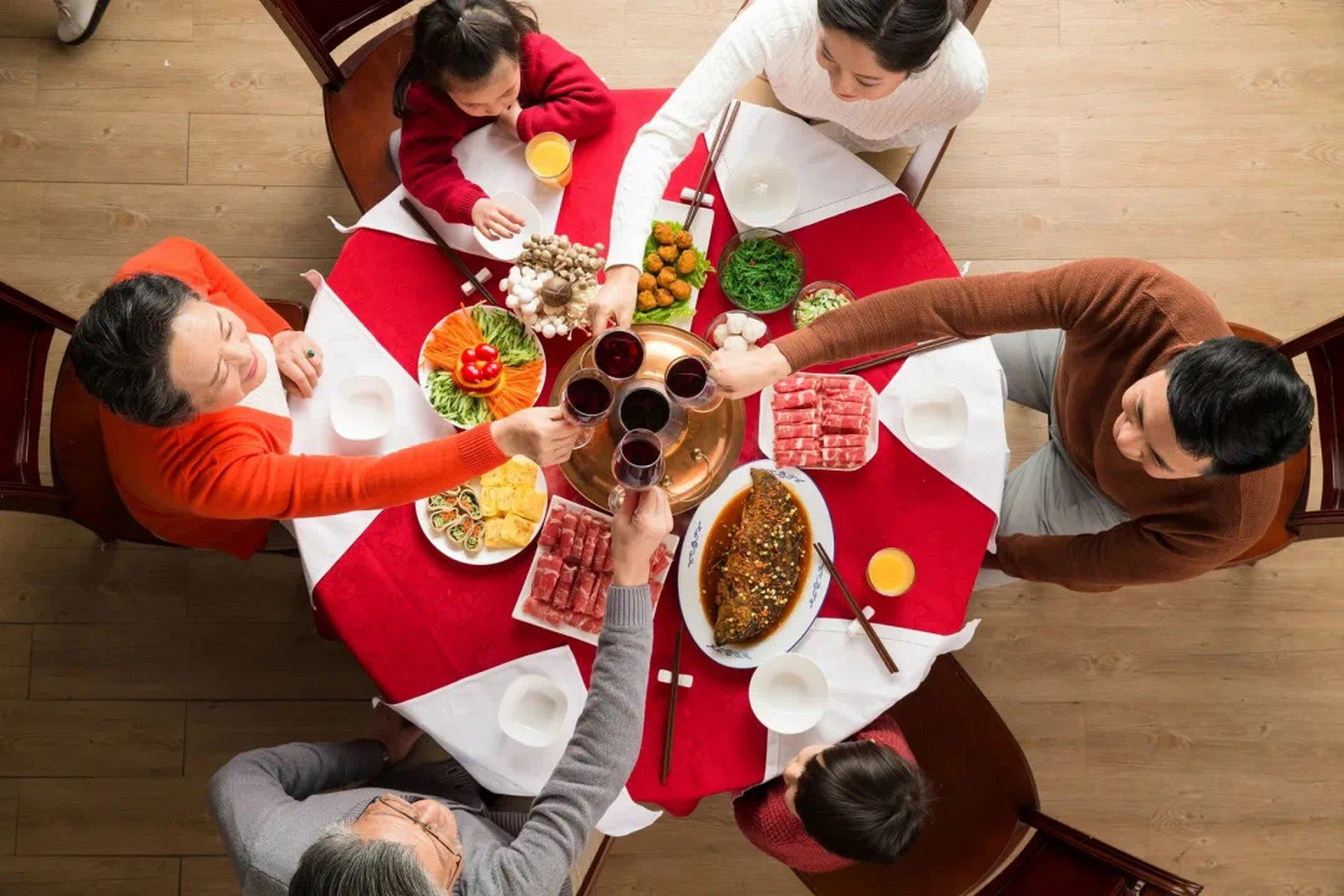
During festivals and holidays, if there is no roast duck holding down the table, the banquet always feels as if it lacks a backbone. When an honored guest comes to the house, arriving with a roast-duck gift box printed with an old-brand logo is a wordless form of face and propriety. The most wonderful part is the way everyone sits around one table, watching the master slice the duck on the spot. A thin pancake is spread in the hand, sweet bean sauce is smeared on, scallion shreds and cucumber strips are lined up, and everyone rolls and chats in a lively bustle. Is this eating a meal? It is clearly the art of life performing the old truth that food and desire are part of being human.
In the end, what Beijing people love is not only the flavor of roast duck, but also the human give-and-take fused into the food. When golden duck oil slides down the fingertips, what flows there is the unique smoke and fire of old Beijing, the warmth with which Beijing people receive guests, and the taste of life settled by years.
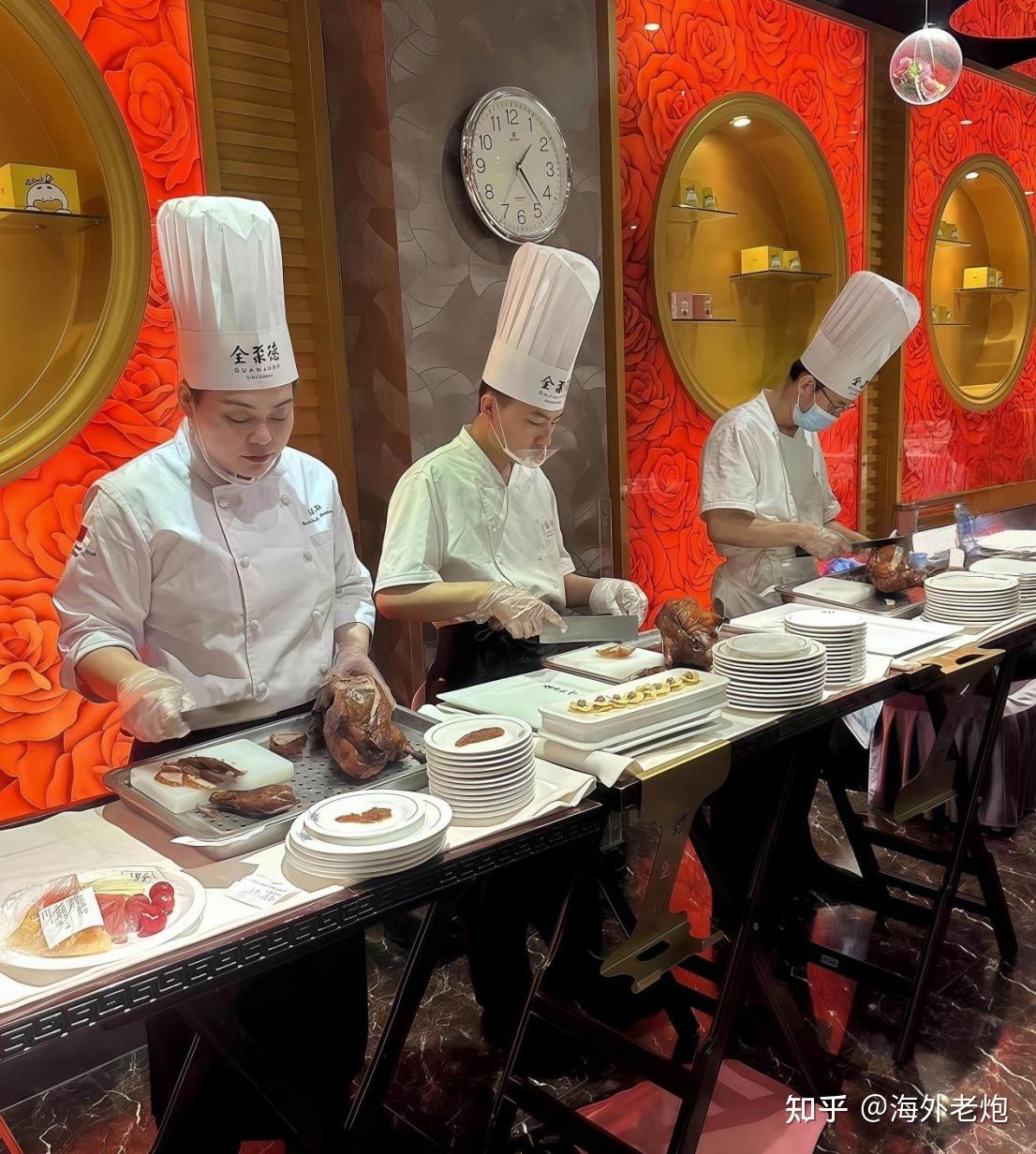
The inheritance and rebirth of roast duck
There was once a time when tasting truly proper Beijing roast duck was no easy matter. At that time, in the whole city only two hundred-year old brands remained, and in front of their doors the crowds were constant from morning to night. Diners lined up without end, becoming one of the sights of the capital. Now times have changed. Roast-duck shops have sprung up like bamboo shoots after rain, scattered like stars through the streets and alleys of Beijing. Whether in restaurants serving Sichuan and Cantonese feasts or in everyday neighborhood eateries, golden, crisp roast ducks hang high over the doorway and are treated as the treasure that brings customers in. Seasoned eaters also share the understanding: if no sliced duck comes to the banquet table, even delicacies from mountain and sea feel short of a soul. If guests are received without this golden, glossy 'face dish,' the host's face cannot quite hang on. Wrapped inside that crisp duck skin is more than flavor; it is clearly the face and fastidiousness of Beijing hospitality.
Quanjude's 'Prosperous Peony' roast duck first appeared at the welcome banquet of the 22nd APEC Economic Leaders' Meeting in 2014.
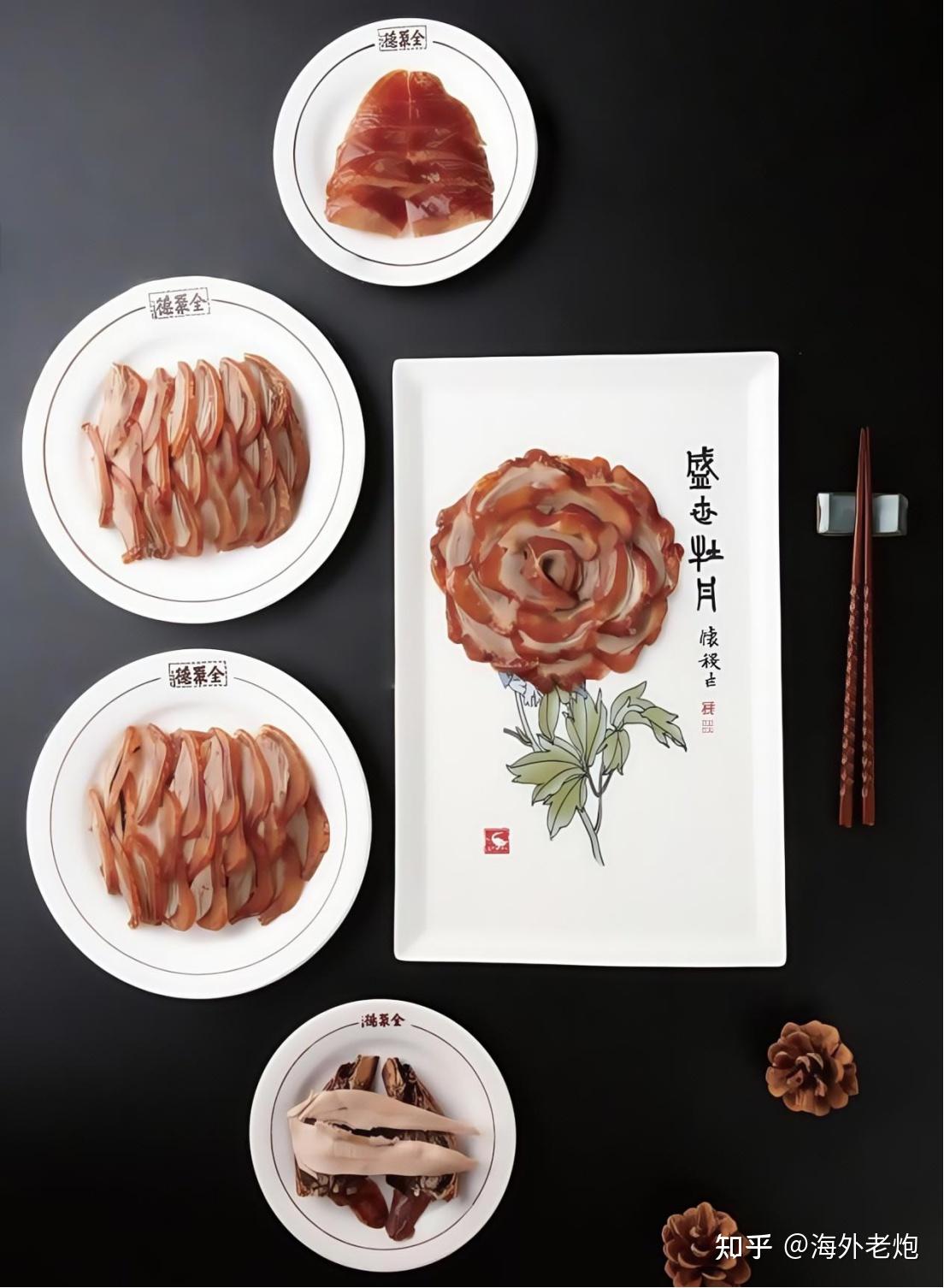
Six hundred years of oven fire
For six hundred years the oven fire has not gone out, and roast-duck craft has completed an elegant turn through changing times. Cooks at the old brands deconstruct the classic: the beautiful creativity of 'Prosperous Peony' and the 'crispy but not greasy' technique perfectly fuse traditional flavor with the idea of health. In creative kitchens, popping candy dances on duck skin, Mexican tacos meet Beijing sauce by surprise, and the molecular-cooking techniques of Michelin-starred chefs further deconstruct duck fragrance into new flavors that can pass through the future.
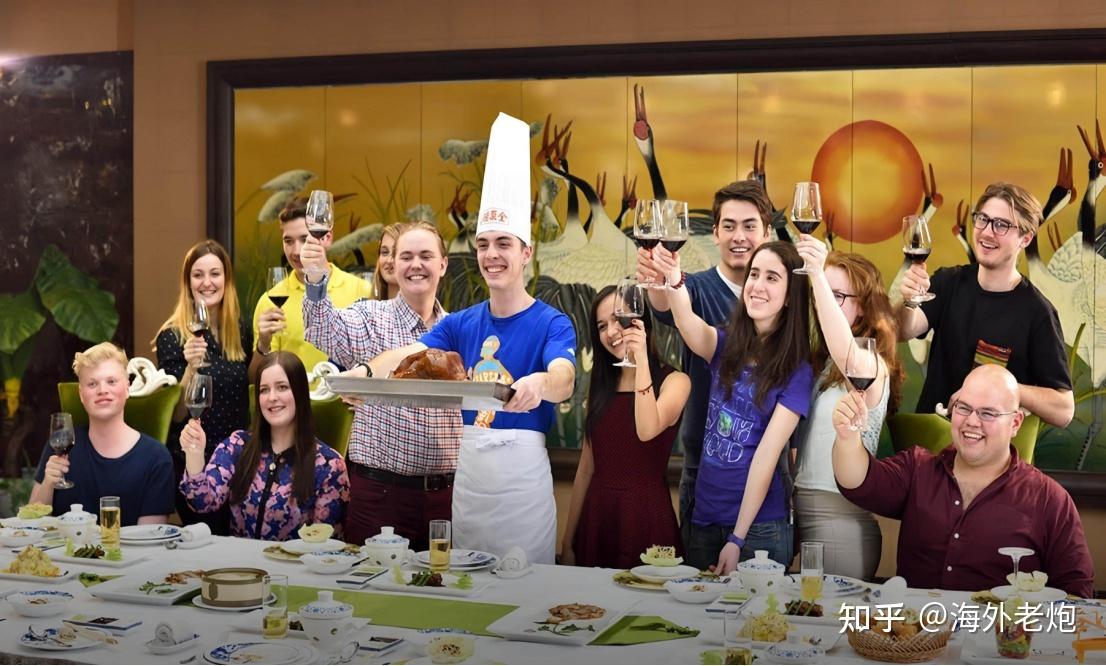
The balance between change and no change
Yet true inheritance always keeps a delicate balance between change and no change. Old gourmets know that no matter how many new tricks appear, the smoke-and-fire feeling of 'roasted and sliced fresh' cannot disperse, and the craftsman's way of 'seven parts willow-leaf knife, three parts jujube-wood fire' cannot change. It is just like Beijing's cultural genes: the flying eaves of the Qianmen gate tower must be kept, and the glass curtain walls of the CBD must also reflect the city. When smart ovens meet inheritors of intangible heritage, what turns in the oven is no longer only a duck. It is the flavor code of an ancient capital.
In the symphony of tradition and innovation, the flavor philosophy of roast duck grows ever deeper: it must let old customers taste the hutong smoke and fire in their memories, and it must also let new diners taste the surging creativity of a world wind. Perhaps this is the eternal charm of Chinese food: in the oven of time, it can always roast history into a new mellow fragrance.
July 2025.
Frequently asked
Common questions
- What is Beijing roast duck known for?
- The article presents Beijing roast duck as Beijing's leading food signboard: crisp amber skin, tender white meat, sweet bean sauce, scallion, cucumber, and thin lotus-leaf pancakes, all carrying the hospitality and smoke-and-fire atmosphere of the capital.
- What are the two main roasting methods?
- The article describes closed-oven roast duck, which uses stored heat from a sealed brick oven, and hung-oven roast duck, which roasts ducks over visible fruitwood fire while the master adjusts the angle of the duck.
- What does 'one duck, three ways' mean?
- It means eating the duck skin with sugar, rolling thin slices of duck in lotus-leaf pancakes with sauce and vegetables, and using the duck frame either fried with salt and pepper or simmered into soup.
Keep reading