What Chinese People Eat for Breakfast: A Shandong Morning Guide
A breakfast map inspired by a Taste China video: Shandong wheat foods, hot soy milk, fried dough, sea-salt air, and the fast rhythm of a northern Chinese morning.
Chinese breakfast starts before the city fully wakes up
The Taste China video on Shandong breakfast is useful because it points the camera at the right hour: early, fast, practical, and local. Chinese breakfast is rarely a slow restaurant meal. It is a street corner, a steam basket, a shop window, a worker eating while standing, a family buying enough buns for the table, and a line that moves because everyone already knows what they want.
In Shandong, that rhythm is built around wheat. Rice exists, but the morning table belongs to buns, pancakes, dough, noodles, porridge, eggs, and warm drinks. The food is filling without being heavy, salty without being loud, and designed for a province where coastal cities, market towns, and old wheat-growing villages all meet before 8 a.m.
Shandong breakfast is a wheat breakfast
If Cantonese breakfast often means dim sum and tea, Shandong breakfast is more direct: mantou, baozi, huoshao, scallion pancakes, fried dough, and thick porridge. The texture matters. A good steamed bun should be resilient, not cottony. A good pancake should bend but still carry toasted edges. Fried dough should be crisp enough to crack, then soft enough to soak up soy milk or porridge.
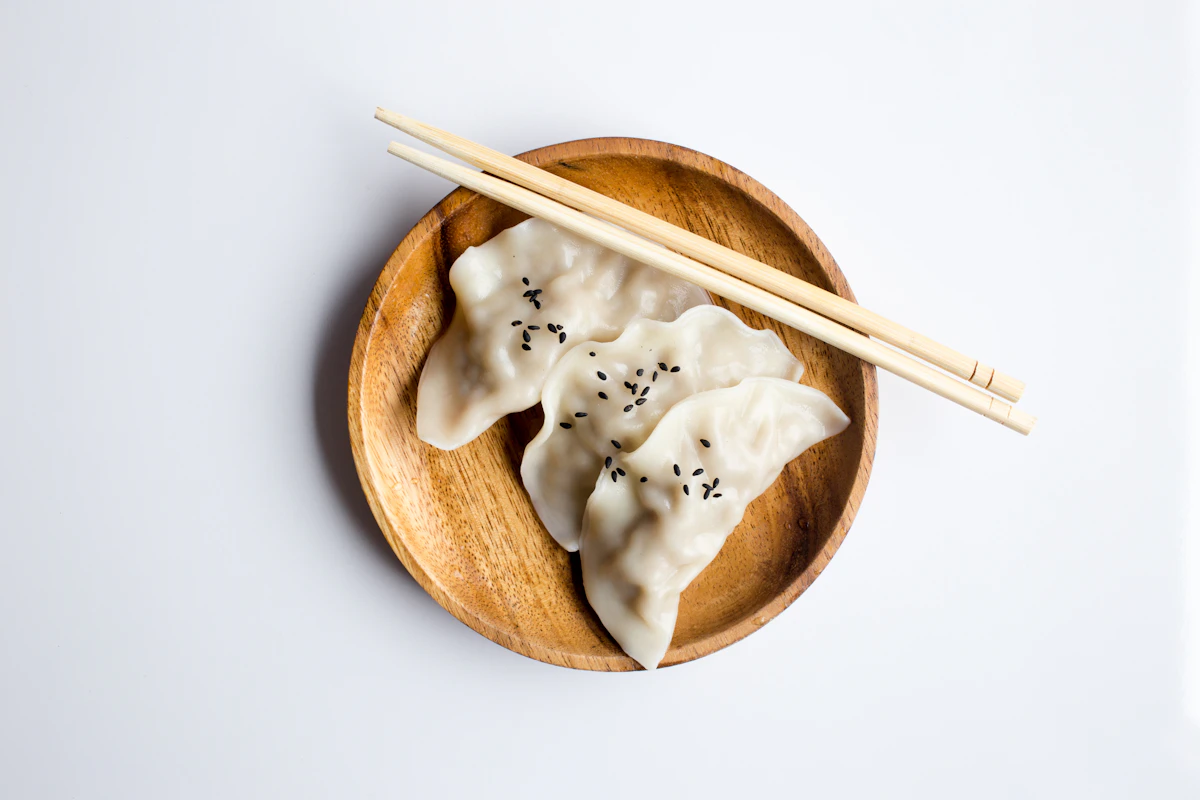
That wheat logic explains why Shandong breakfast can feel familiar even to travelers who do not know the dishes yet. Bread, pancakes, dumplings, and noodles are universal breakfast ideas; Shandong simply builds them through northern Chinese technique: steam, griddle, boil, fry, fold, and eat while hot.
The core order: one staple, one hot drink, one salty side
A practical first order is simple. Choose one staple such as baozi, a griddled pancake, or a bowl of noodles. Add a hot drink: soy milk, millet porridge, mung bean soup, or a thin savory soup depending on the stall. Then add a small salty side if the shop offers it: pickled vegetables, a tea egg, marinated tofu, or a spoon of chili oil.
This is the difference between reading a menu and understanding breakfast. The individual dish matters, but the combination matters more. Northern Chinese breakfast is built to balance dry and wet, plain and salty, fast energy and warmth. A bun alone is a snack. A bun with soy milk and pickles becomes a morning meal.
Coastal Shandong adds another layer
Shandong is not only inland wheat country. Qingdao, Yantai, Weihai, and other coastal cities bring seafood, seaweed, light broths, and a cleaner saltiness into the local food imagination. Breakfast may still be wheat-based, but coastal habits change the sides, soups, and fillings. A bun may carry seafood or chives. A soup may taste faintly of the sea. A simple porridge shop may sit one street away from a seafood market.
That coastal layer is easy to miss if you think of Chinese breakfast as one national list. Shandong is a reminder that breakfast follows geography. Wheat gives the structure; the coast changes the accent.
How to eat it like a traveler, not a checklist
Do not try to order everything at once. Pick a busy stall, watch what moves fastest, and order the thing most people are carrying away. If you see steam baskets turning over quickly, order buns. If the griddle is full, order the pancake. If bowls are landing every few seconds, get the soup or porridge. Freshness at breakfast is usually measured by turnover, not decoration.
The safest rule is to arrive early. By late morning, the best breakfast shops are either closed or serving the last tired batch. Go before the office rush ends, carry small cash or mobile payment if you can, and do not expect a long conversation. Breakfast in Shandong is friendly, but it is not leisurely. The kindness is in the speed.
A note on the video source
This article uses the Taste China video, 'What do Chinese eat for Breakfast? Breakfast Series Across China: SHANDONG,' as a source of direction rather than a transcript. The video points to a strong editorial question: what does breakfast reveal about a region? The answer in Shandong is wheat, speed, warmth, coastal influence, and a practical morning table.
If you are using video as a travel guide, treat it as the first clue. Then ask what grain the region eats, what workers buy before 8 a.m., what families carry home in plastic bags, and what disappears from the stall first. Those clues will teach you more about Chinese breakfast than any generic top-ten list.
About the author
Wen Liu writes for China Eating about regional Chinese food, street markets, and the everyday rituals of the Chinese table.
Frequently asked
Common questions
- What do Chinese people eat for breakfast in Shandong?
- Common Shandong breakfasts include steamed buns, stuffed baozi, griddled pancakes, fried dough, noodles, millet porridge, soy milk, tea eggs, pickled vegetables, and simple soups. Wheat is the main breakfast structure.
- Is Shandong breakfast spicy?
- Usually not very spicy. Shandong breakfast is more wheat-forward, salty, warm, and practical. Chili oil may appear as a condiment, but it is not the center of the meal in the way it can be in Sichuan or Hunan.
- What is the best Chinese breakfast to try first?
- Start with a hot staple and a drink: baozi with soy milk, a scallion pancake with porridge, or fried dough with warm soy milk. That combination teaches the dry-wet balance of everyday Chinese breakfast.
- How early should I go for breakfast in China?
- Go early, ideally between 6:30 and 8:30 a.m. The best breakfast stalls depend on turnover, and many popular shops slow down or close by late morning.
Keep reading