Chinese Chopsticks: History, Etiquette, Materials, and How to Use Them Well
A detailed guide to Chinese chopsticks: where they came from, why their shape matters, how to hold them, what not to do at the table, and how they quietly shape Chinese dining.

Chopsticks are more than a pair of sticks
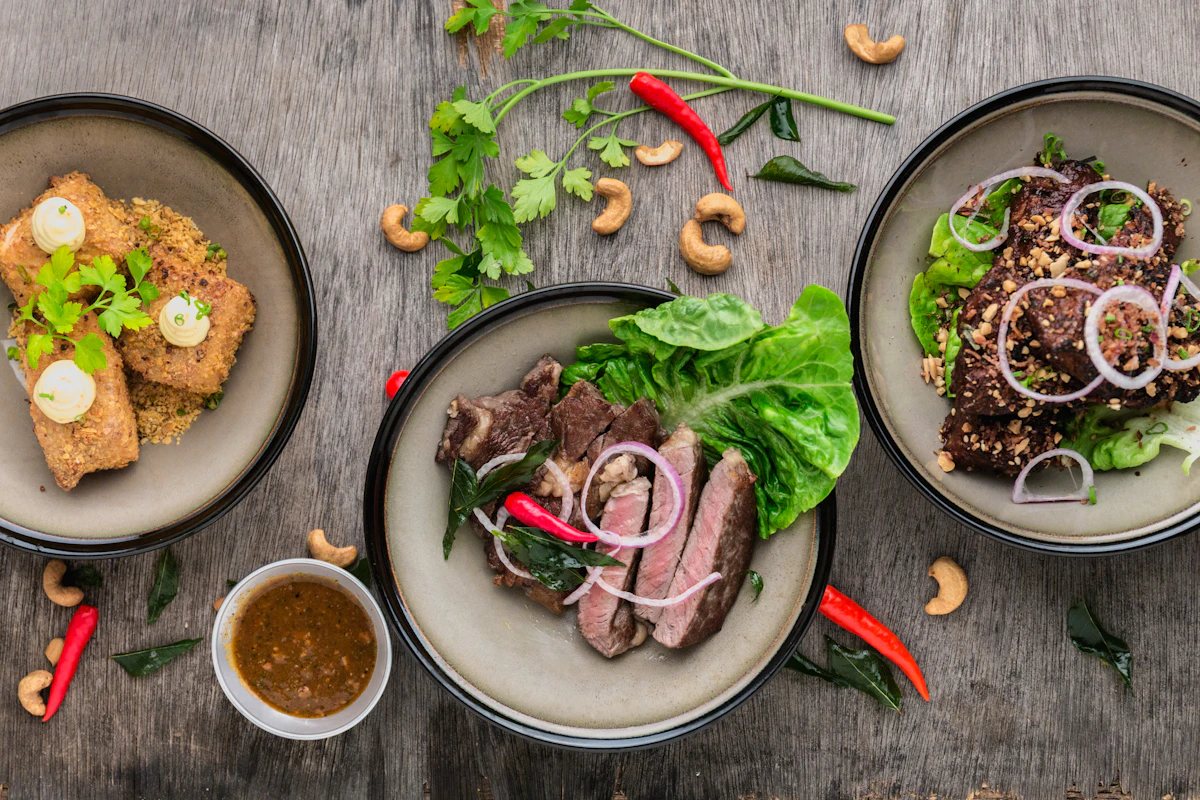
Chinese chopsticks look simple because the best everyday tools usually do. Two narrow sticks, held in one hand, can pick up a peanut, lift a slippery noodle, divide a piece of fish, pull food from a shared plate, stir a bowl of rice, and quietly mark whether someone understands the rhythm of a Chinese meal. They are utensils, but they are also a small grammar of the table.
The Chinese word kuaizi (筷子) carries the idea of quickness. That is exactly how chopsticks work in a shared meal: fast, precise, and social. A fork separates food from the table and brings it to the individual plate. Chopsticks move between dishes, bowls, sauces, and mouths with less interruption. They make the meal feel continuous.
A short history of Chinese chopsticks
Chopsticks were used in China long before they became a symbol of East Asian dining. Early versions were likely cooking tools before they became eating tools: long sticks for reaching into hot pots, turning food, and lifting ingredients from boiling water or oil. As Chinese cooking increasingly cut ingredients into bite-size pieces before they reached the table, chopsticks became practical for eating as well.
That pre-cut logic matters. Chinese food is usually prepared so the diner does not need a knife at the table. Meat is sliced, vegetables are cut, fish is portioned by the cook or gently separated with chopsticks. The chopstick fits a cuisine where the hard cutting work happens in the kitchen, and the table is left for sharing, choosing, and eating.
Chinese chopsticks have their own shape
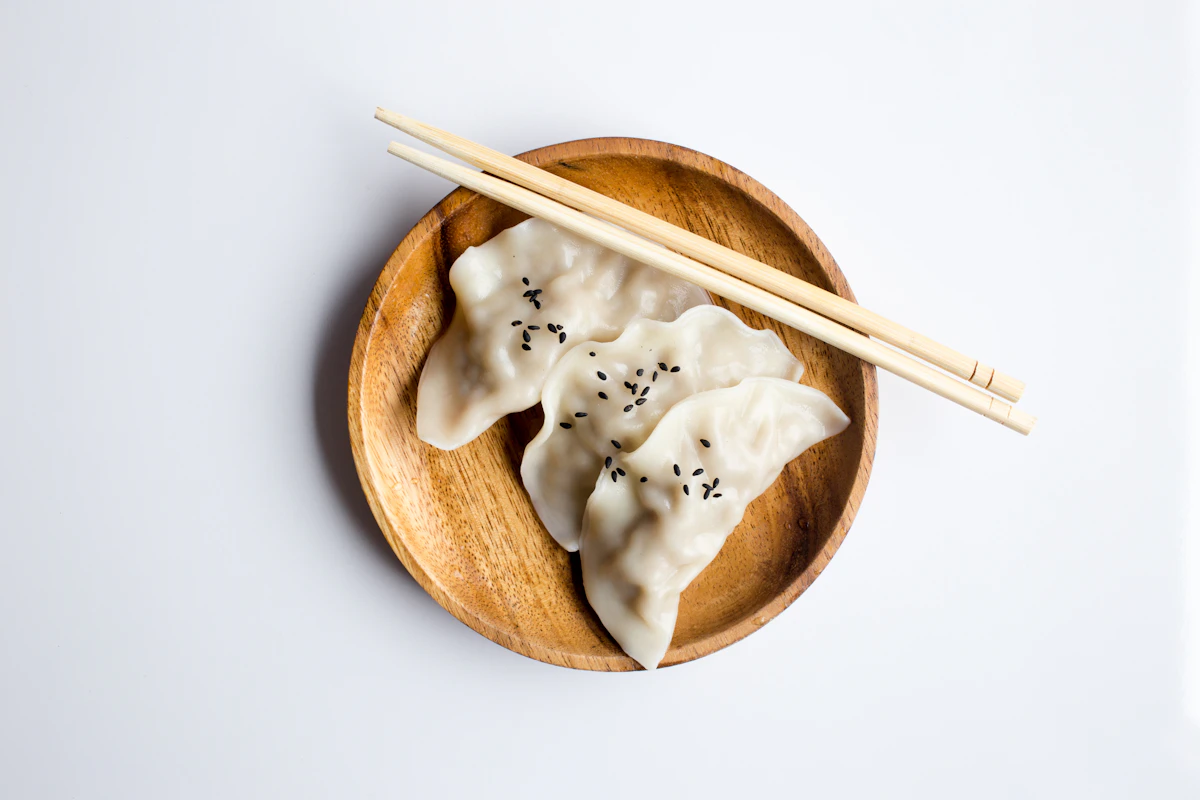
Not all chopsticks are the same. Chinese chopsticks are often longer than Japanese chopsticks and usually have a blunter end. That shape fits the Chinese shared table: dishes sit in the center, so a slightly longer reach is useful. The blunt tip is strong enough for noodles, leafy greens, chunks of braised meat, tofu, dumplings, and bones that need careful handling.
Materials also change the experience. Bamboo and wood are light, warm, and slightly grippy, which makes them ideal for everyday use. Lacquered chopsticks feel smoother and more formal but can be slippery. Metal chopsticks are durable but less common in mainland Chinese home dining. Porcelain chopsticks are beautiful, but they are more ceremonial than practical for a busy meal.
How to hold chopsticks properly
A useful grip has one chopstick resting still and one chopstick moving. The lower chopstick sits against the base of the thumb and the side of the ring finger. It works like a rail. The upper chopstick is held like a pencil between the thumb, index finger, and middle finger. Only the upper chopstick moves; the lower one stays calm.
Beginners often squeeze both sticks equally, which makes the tips cross or slide apart. Relax the hand instead. The motion should be small and hinged near the fingers, not the wrist. Practice by picking up larger pieces first: a cube of tofu, a dumpling, a folded leaf, then smaller things like peanuts or grains of rice. Skill comes from control, not force.
The table rules that matter most
The most famous rule is simple: do not stick chopsticks upright in a bowl of rice. In Chinese culture, that image resembles incense offered to the dead, so it feels unlucky and inappropriate at a normal meal. Lay chopsticks across the bowl or on a chopstick rest instead.
Do not point with chopsticks, drum them on the table, spear food, wave them while talking, or hover over a shared dish while deciding. Do not use your personal chopsticks to dig through a plate looking for the best piece. If serving chopsticks are provided, use them. If they are not, take from the edge of the dish and move cleanly.

Serving, sharing, and the polite double move
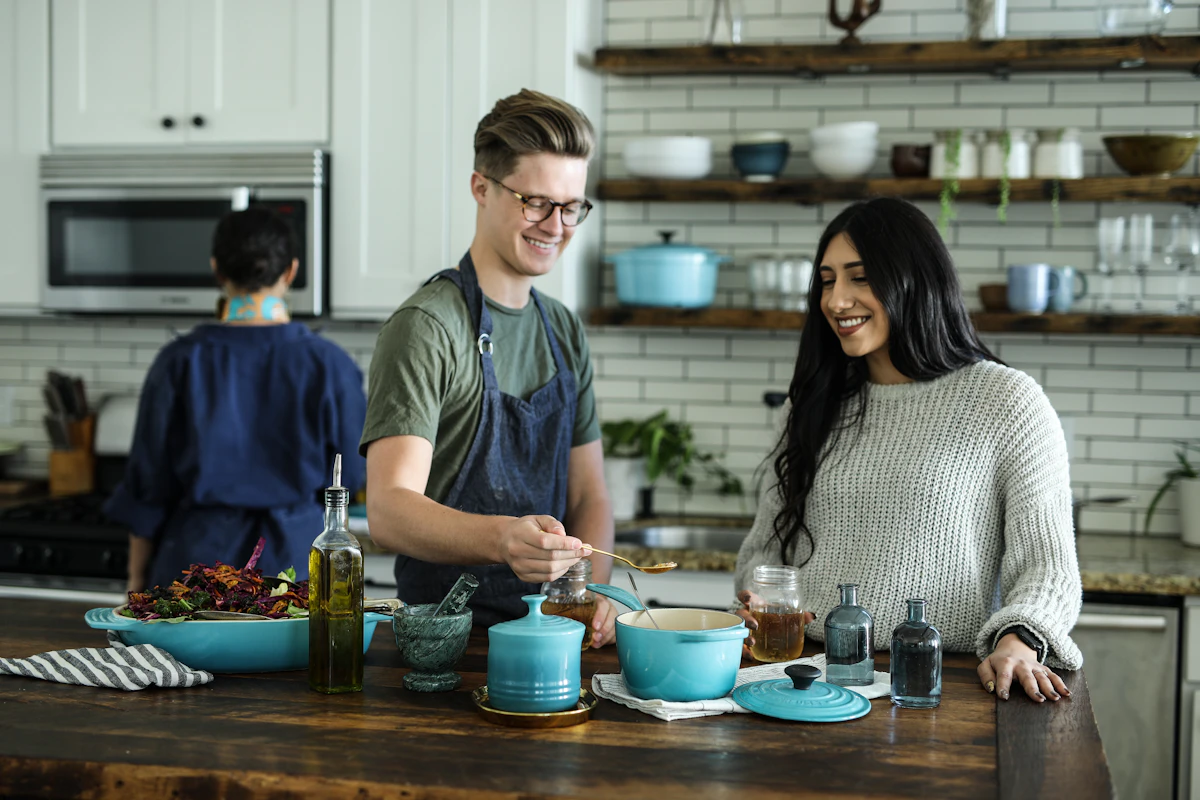
Chinese meals are usually shared, so chopsticks are also social tools. A host may use chopsticks to place food into a guest's bowl as a gesture of care. In formal settings, serving chopsticks or serving spoons create a clear boundary between public dishes and personal eating. In casual family meals, the boundary is softer, but the rule is still respect: take neatly, do not rummage, and do not claim the center of the plate.
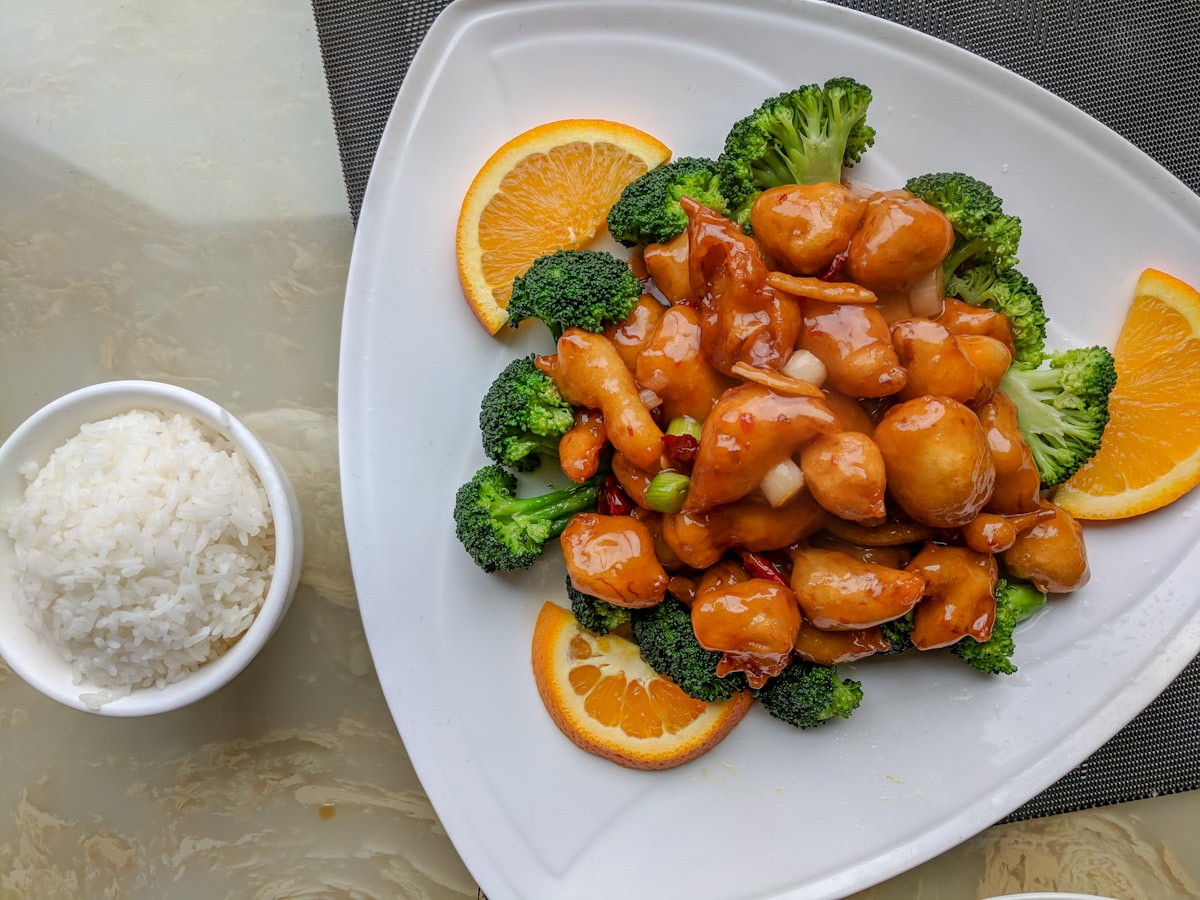
A useful move is the polite double move: first take food from the shared plate into your own bowl, then eat from your bowl. This keeps the shared table orderly and gives you a moment to cool hot food, remove bones, or add sauce. It also explains why the rice bowl is not just a side dish container; it is the personal landing place for a shared meal.
Why chopsticks change the taste of a meal
A utensil changes how food reaches the mouth, and that changes the meal. Chopsticks naturally take smaller bites. They make noodles feel lifted rather than scooped, greens feel folded rather than cut, and fish feel gently separated rather than attacked. They slow some foods down and speed others up.
They also keep texture visible. A good Chinese meal often depends on contrast: slippery and crisp, soft and chewy, hot and cool, sauced and plain. Chopsticks let the diner choose the exact bite: one leaf, one slice of pork, one mushroom, one piece of tofu with a little sauce. The bite is composed at the table.
Buying and caring for chopsticks at home
For daily use, choose unfinished or lightly finished bamboo or wood chopsticks with a little texture near the tips. They are easier for beginners and better for noodles or slippery vegetables. Avoid very glossy pairs if you are still learning. Keep a few longer serving chopsticks for shared plates and hotpot; they make home meals feel cleaner and more intentional.
Wash wooden or bamboo chopsticks promptly and dry them well. Do not leave them soaking for hours, and do not keep cracked pairs in rotation. If the surface splinters, smells sour, or darkens around the tips, retire them. Chopsticks are humble tools, but they touch every bite; they deserve the same care as a good knife or a favorite bowl.
About the author
Mei Lam writes for China Eating about regional Chinese food, street markets, and the everyday rituals of the Chinese table.
Frequently asked
Common questions
- Are Chinese chopsticks different from Japanese chopsticks?
- Yes. Chinese chopsticks are often longer and have blunter tips, which suits shared dishes placed in the center of the table. Japanese chopsticks are often shorter and more tapered, which suits individual settings and delicate fish handling.
- What should you never do with chopsticks in China?
- Do not stick chopsticks upright in rice, point them at people, spear food, drum them on the table, wave them while speaking, or dig through a shared dish looking for the best piece.
- What chopsticks are best for beginners?
- Light bamboo or wooden chopsticks with slightly textured tips are easiest. Very smooth lacquered, metal, or porcelain chopsticks can be beautiful but slippery.
- Why do Chinese restaurants sometimes provide serving chopsticks?
- Serving chopsticks keep shared dishes separate from personal eating utensils. They are common in formal meals, banquets, hotpot, and restaurants that want a cleaner shared-table system.
Keep reading